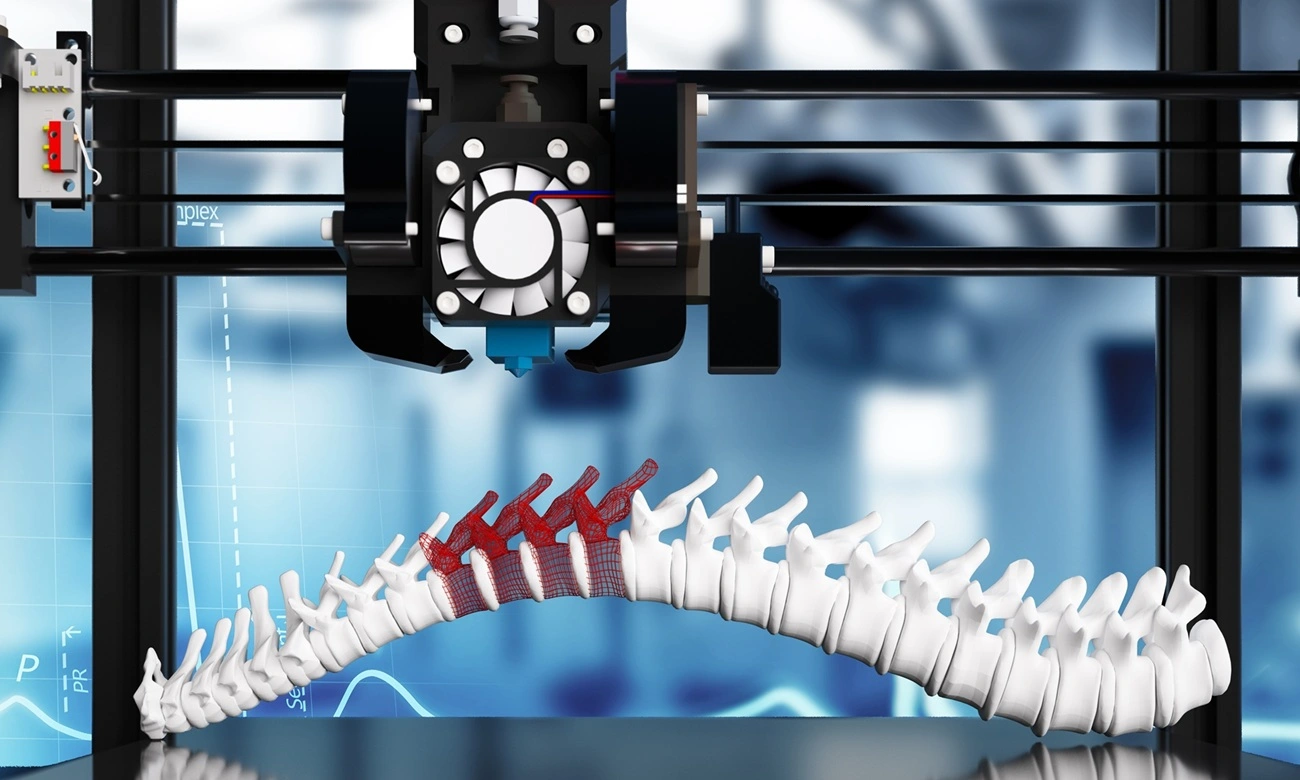

Rapid prototyping 3D printing accelerates product development by turning design files into real parts in just days—not weeks. This speed allows teams to test ideas quickly, refine designs, and keep projects moving forward with less risk and more control.
Unlike traditional machining, 3D printing supports custom designs that are difficult to achieve otherwise. At Rollyu Precision, our rapid prototyping services combine certified processes, a wide selection of materials, and in-house engineering expertise to ensure consistent, reliable results. Whether you need concept models or functional test-ready parts, we deliver the speed and quality you can trust.
What Is Rapid Prototyping
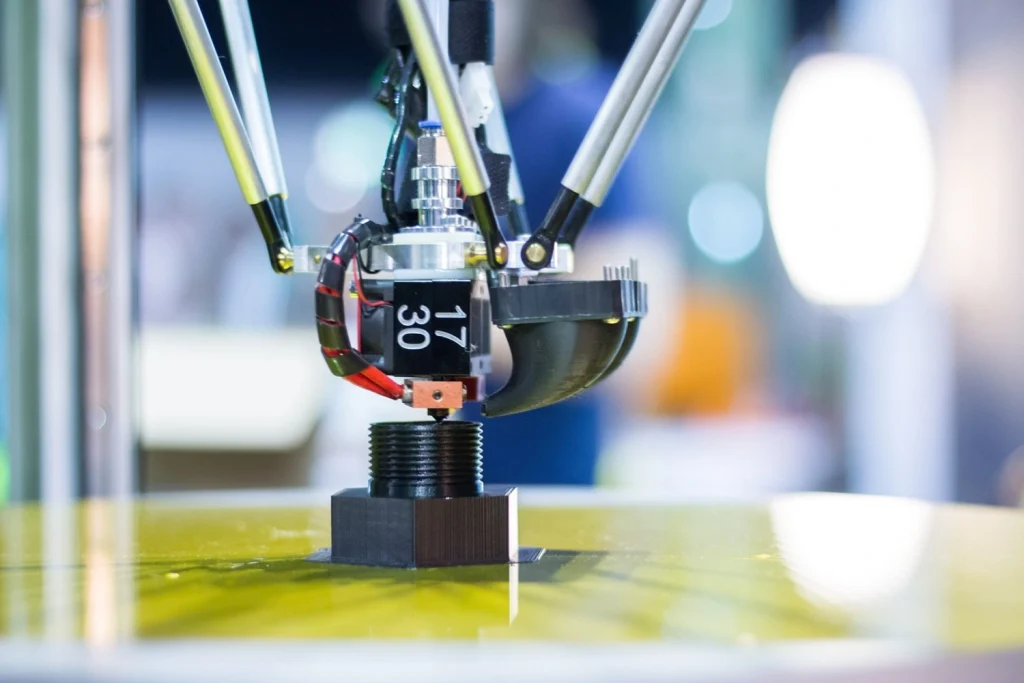
Rapid prototyping converts digital CAD models into physical parts using layered additive manufacturing technologies. Processes such as stereolithography (SLA) and selective laser sintering (SLS) can produce components within hours. Each method offers different surface finishes, tolerances, and durability levels.
SLA (stereolithography): SLA is a vat-photopolymerization 3D printing process that cures liquid photopolymer resin into solid parts using a focused light source (laser or projector). It’s known for very high surface quality and fine detail compared with filament (FDM) printers
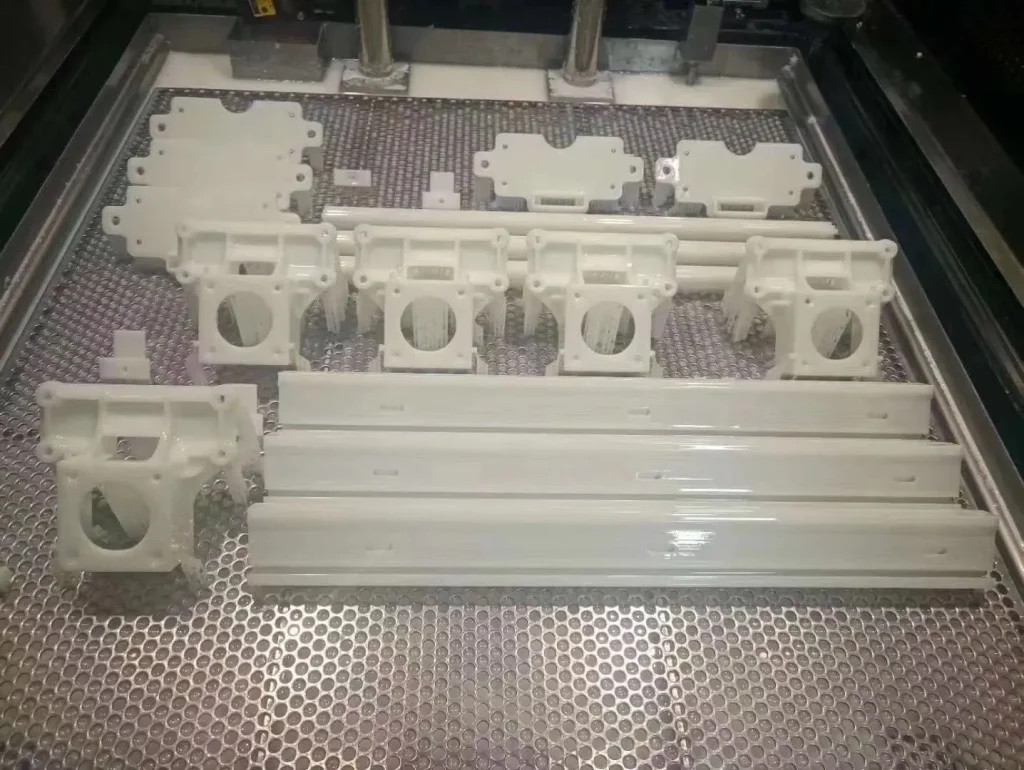
SLS (selective laser sintering): SLS is a powder-bed fusion 3D printing process that fuses powdered thermoplastic (or other) particles layer by layer using a laser. No support structures are required because unsintered powder holds parts in place.
SLS commonly used for functional prototypes, small series production, complex assemblies, and end-use parts with good mechanical properties.
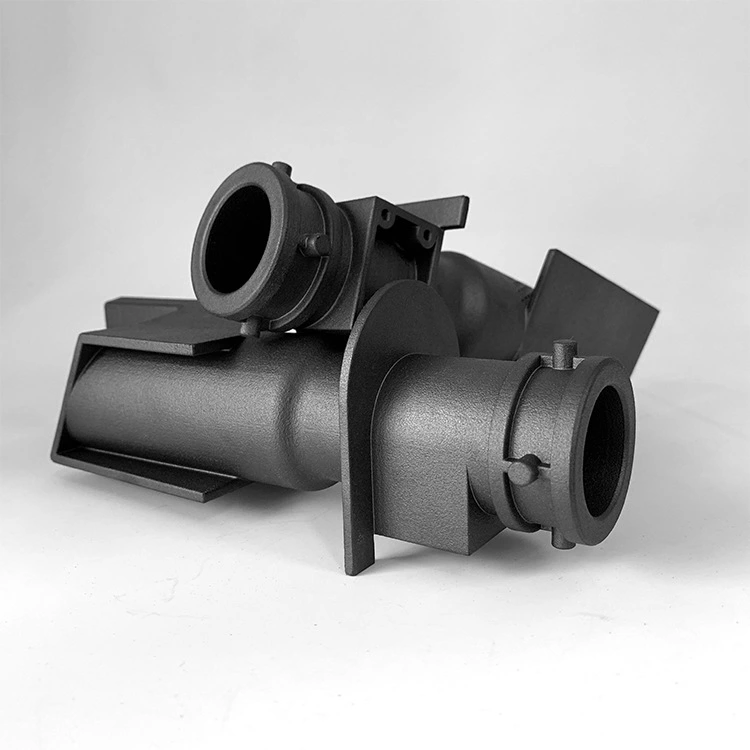
Fused Deposition Modeling (FDM / FFF): A thermoplastic filament is melted and extruded through a nozzle, building parts layer by layer. It’s inexpensive, widely available, and great for prototypes, fixtures, and many end-use parts.
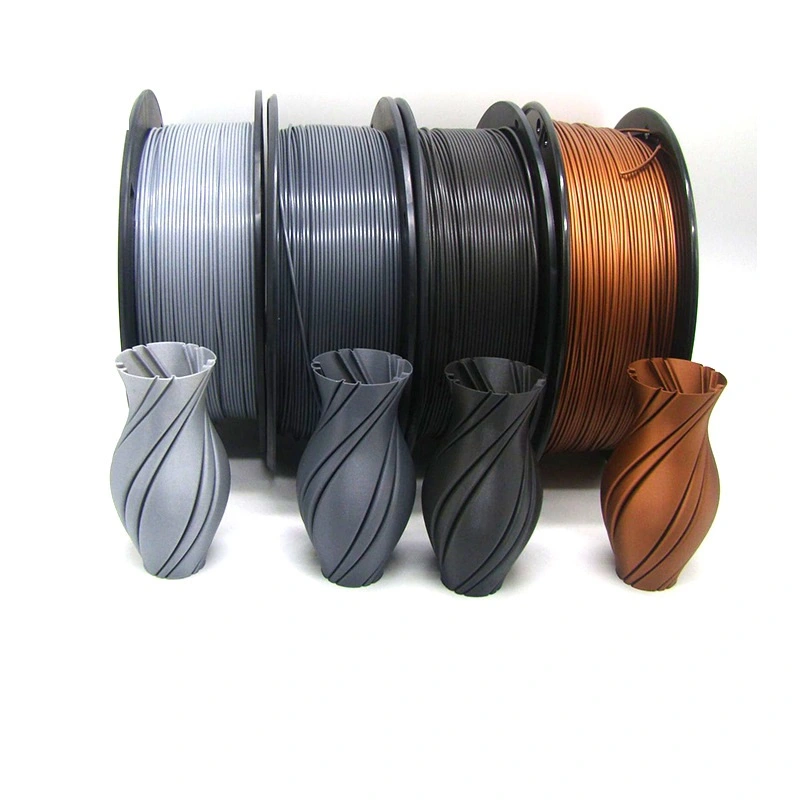
SLM (often used interchangeably with DMLS or metal PBF) is a powder-bed fusion process that uses a high-power laser to fully melt metal powder layer by layer to make dense metal parts. It enables complex geometries, internal channels, lattice structures, and parts that would be impossible or expensive with subtractive methods.
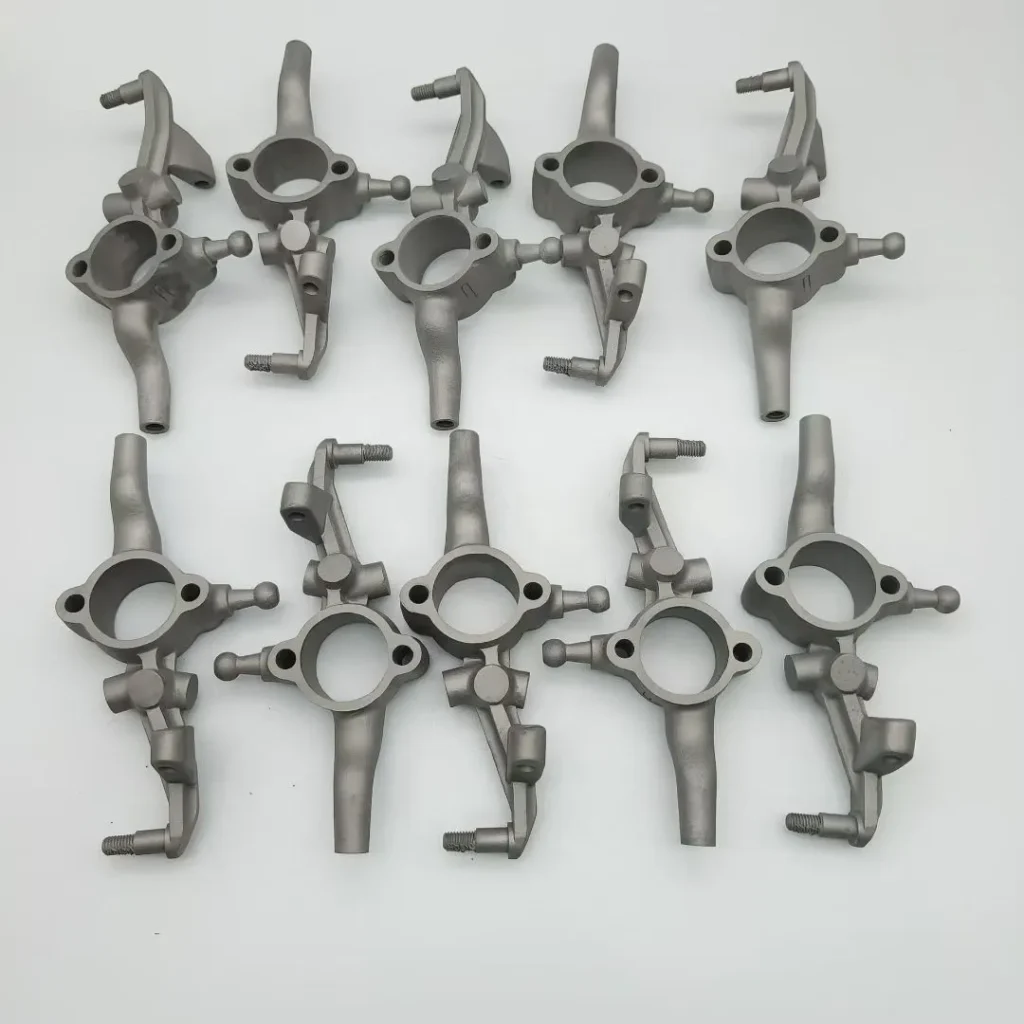
SLA,SLS, FDM, SLM Comparison Table
| Category | SLA (Vat photopolymerization) | SLS (Polymer powder-bed fusion) | FDM (Fused Deposition Modeling) | SLM (Selective Laser Melting / Metal PBF) |
| Process principle | UV laser/DLP/MSLA cures liquid resin layer-by-layer | Laser sinters/fuses polymer powder in a heated bed | Thermoplastic filament melted & extruded through nozzle | High-power laser fully melts metal powder layer-by-layer |
| Typical materials | Photopolymer resins (standard, tough, flexible, castable, dental) | Nylon/PA powders (PA12, PA11), TPU, filled nylons | PLA, PETG, ABS, Nylon, TPU, composites | Metals: Ti-6Al-4V, Inconel, stainless steels, Al alloys, tool steels |
| Mechanical properties | Moderate; depends on resin (can be brittle) | Good, near-isotropic, durable (nylon-like) | Anisotropic: strong in-plane, weaker in Z | Excellent strength & stiffness (metal), good when postprocessed (HIP/HT) |
| Isotropy | Moderate | High | Low (Z weakest) | High (material isotropy when melted) |
| Surface finish & detail | Excellent—very smooth, finest detail | Matte, slightly granular | Visible layer lines; depends on layer height | Metallic surface, relatively rough as-built; good feature detail for metals |
| Typical layer thickness | 25–100 µm | 60–120 µm | 80–400 µm (common 0.1–0.3 mm) | 20–60 µm |
| XY resolution / min feature | 25–200 µm; fine features ~0.1–0.5 mm | ~0.4–0.7 mm features typical | Limited by nozzle (~0.4–0.8 mm features with 0.4 mm nozzle) | ~70–200 µm effective; min robust feature ~0.3–0.5 mm |
| Supports | Required; contact points affect finish | Not required (unsintered powder supports part) | Required for overhangs (breakaway/soluble possible) | Required for overhangs & heat conduction; support removal needed |
| Post-processing | Wash (IPA), UV cure, support removal, sanding/painting | Powder removal, bead blast, dye, infiltration, tumbling | Support removal, sanding, solvent smoothing (ABS), painting | Stress relief, HIP, support removal (machining/EDM), heat treatments, surface finish |
| Build volume | Small–medium (desktop limited) | Medium–large (industrial beds) | Very flexible: small to very large | Medium–large (industrial machines) |
| Typical machine cost | 200–200–6k (hobby) to $1k–10k prosumer | 5k–30k(desktop/prosumer)to5k–30k(desktop/prosumer)to100k+ industrial | 150–150–500 (hobby) to $1k–20k+ prosumer/pro | 300k–300k–1M+ industrial; some benchtop metal systems expensive |
| Material cost (typical) | 40–40–200+/L (resin) | $50–300+/kg (engineering powders) | $15–100+/kg (filament) | $50–500+/kg (metal powders) |
| Throughput / batch | Fast per small part but post-process time | High for nested builds; efficient for batches | Moderate; many small prints sequential | Slow builds, long cycle times; expensive per hour |
| Safety & handling | Toxic uncured resin, ventilation & PPE | Fine powder hazards, inhalation/flammability; PPE & filtration | Fumes (ABS), hot surfaces; filament moisture | Metal powder is combustible/pyrophoric; inert gas, strict powder safety |
| Typical applications | Jewelry masters, dental, detailed prototypes, small parts | Functional nylon parts, interlocking assemblies, short runs | Prototypes, jigs/fixtures, large parts, low cost | Aerospace/medical end-use metal parts, tooling, high-value parts |
| Strengths | Best surface finish & small detail | Functional, durable parts; no supports; complex geometry | Low cost, easy materials, large builds | Full-metal parts with high strength; complex geometries in metal |
| Limitations | Resin brittleness, limited large parts, post-processing | Powder handling & cost, slower cool down | Layer anisotropy, lower surface finish | High cost (machines & powder), complex postprocessing, safety |
Quick selection guide
- Choose SLA for highest surface finish and very fine detail (small parts, jewelry, dental).
- Choose SLS for durable, near-isotropic polymer parts and complex assemblies without supports.
- Choose FDM for low cost, large builds, and simple functional prototypes or fixtures.
- Choose SLM when you need true metal parts with mechanical/thermal performance of metals.
Fast tips
- For tight holes/threads: plan to drill/tap post-print (all processes). SLS/SLM handle smaller internal features better than FDM; SLA gives finest detail but may be brittle.
- For assemblies printed in one build: SLS is easiest (no supports); SLA/FDM require clever gaps/clearances and support planning; SLM can print assemblies but needs powder removal and support considerations.
- For best mechanical properties: SLM (metal) or SLS (engineered nylon) with proper heat treatment/HIP; FDM requires high infill and orientation consideration.
This isn’t limited to visual models—engineers can test prototypes for strength, heat resistance, and thermal stability. It’s also a way to validate manufacturability by catching issues like thin walls, undercuts, or assembly mismatches early. The ability to compare predicted versus real-world performance makes decision-making stronger at every stage.
The Importance of Rapid Prototyping 3D Printing
Unlike traditional CNC machining, 3D printing processing doesn’t require molds, tooling, or long setup times. You can move directly from digital modeling to physical parts, saving both time and cost. This accessibility has made prototyping faster, more affordable, and more practical for complex projects.
Engineers can now explore designs freely, testing features such as cooling channels, lightweight lattice structures, and integrated assemblies.
With rapid prototyping 3D printing, materials such as resins, stainless steel, aluminum, titanium, and elastomers can be used to evaluate strength and safety before moving to full production.
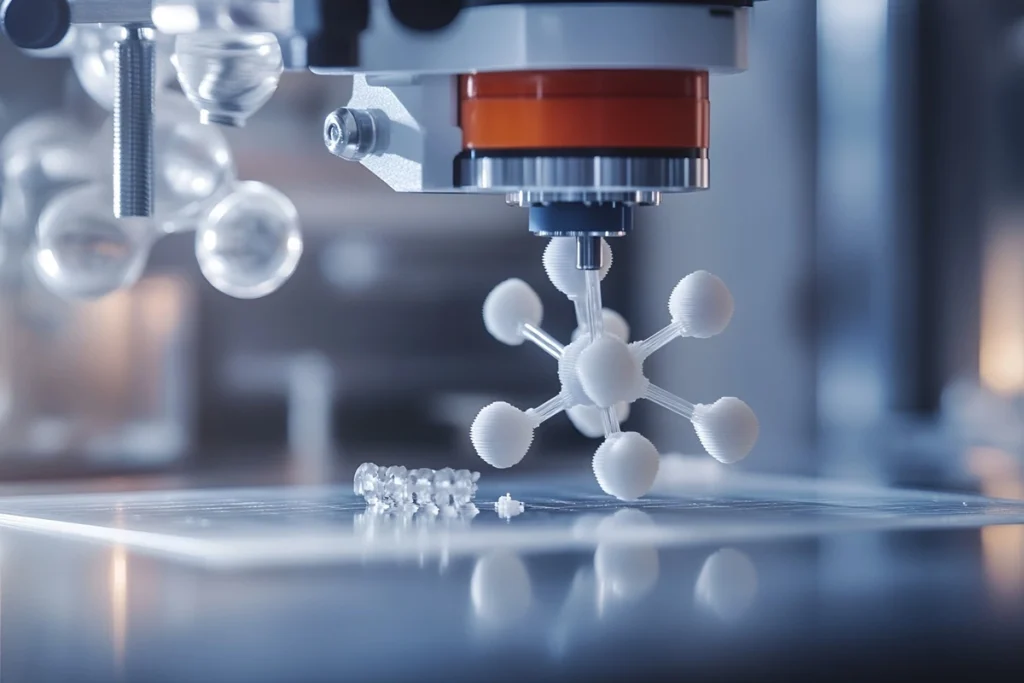
Advantages of Rapid Prototyping 3D Printing
Rapid prototyping 3D printing brings several advantages. Knowing them can help you get a clear perspective and support your business.
Complex Geometries
3D printing builds prototypes directly from CAD file data, enabling intricate geometries like lattices, undercuts, or internal channels—designs that are costly or impossible with conventional machining. This makes testing and validation more accurate.
Faster Development Cycles
Prototypes can be produced in hours instead of weeks, giving teams more design options, faster testing, and quicker decisions before moving into production.
Wide Material Compatibility
From engineering plastics and resins to high-strength metals like titanium and stainless steel, prototypes can closely replicate the mechanical and thermal properties of final production parts.
Functional Testing Preparation
Printed prototypes allow verification of strength, movement, and heat resistance in real-world conditions. This ensures better fit, durability, and usability before investing in production tooling.
Early Error Detection
Weak points in design become apparent at the prototype stage, reducing costly last-minute redesigns. Engineers can refine ergonomics, assembly, and dimensions with minimal risk.
Lightweight Designs
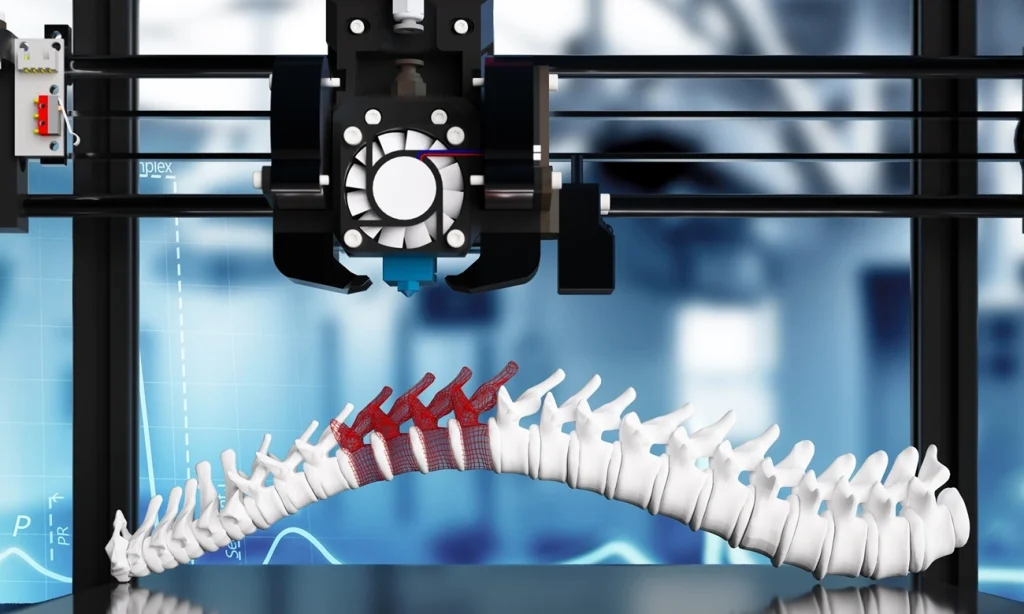
Additive manufacturing processes create strong, lightweight components by eliminating unnecessary mass. Lattice-filled structures balance performance and weight, which is especially valuable in aerospace and medical applications.
Reduced Material Waste
Unlike CNC machining, additive manufacturing uses only the material required. This reduces scrap, cuts costs, and supports sustainability goals.
Applications of Rapid Prototyping 3D Printing
Rapid prototyping 3D printing is applied across multiple industries, from product design to healthcare. Let’s have a close look.
Medical Device Development
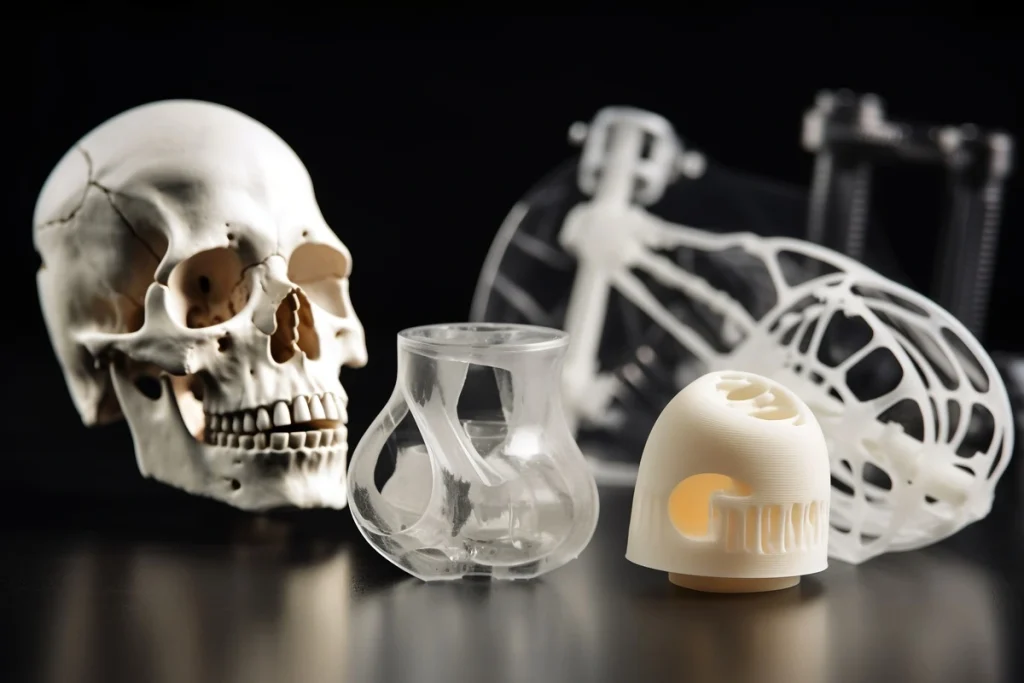
Medical 3D printing: 3D printing in healthcare uses for prosthetics, surgical robotics, CT scanners, and surgical instruments, 3D printing supports patient-specific designs. With ISO 13485 compliance, prototypes meet safety and reliability standards.
Aerospace Engineering
3D printing aerospace: Aerospace teams use 3D printing for lightweight casings, seats mechanical parts, turbine parts, and cabin fittings.
Additive manufacturing aerospace prototypes are tested for stress, thermal resistance, and performance to meet strict certification requirements.
Robotics and Automation
Robotic 3d printing: Gears, brackets, 3D print robot arm, and enclosures can be printed and tested under real-world conditions to confirm accuracy, durability, and motion precision.
Electronics
Electronics manufacturers leverage 3D printing for enclosures, cooling fixtures, and optical housings. These parts undergo tight tolerance and thermal management testing for dependable performance.
Energy
Energy-focused additive manufacturing techniques and materials, printed batteries enclosure, printed electrodes, printed fuel cells, printed thermal management devices, parts and systems used in power generation, storage, and distribution — e.g., turbine parts, heat exchangers, batteries, fuel cells, solar concentrators.
Key Points for Choosing the Right 3D Printing Service
When you are looking for a reliable service, it’s better to take the following into account.
Matching Materials to Real Working Conditions
Different projects demand heat resistance, flexibility, or strength. A reliable provider must offer a wide range of polymers, resins, and metals to ensure prototypes reflect final product behavior.
Getting Accuracy Where It Really Matters
Not every prototype requires micrometer precision—but aerospace, medical, and robotics applications often do. A trusted 3D printing service should demonstrate consistent ability to hold tight tolerances.
Quick Delivery Without Losing Quality
The value of rapid prototyping lies in speed, but that speed must come with guaranteed quality. Choose a supplier that consistently meets deadlines without compromising accuracy.
Beyond the Print: Finishing Services
Prototypes often require post-processing such as polishing, anodizing, or coating. In-house finishing ensures production-ready quality and reduces outsourcing risks.
Certification and Industry Standards
In regulated sectors like medical, aerospace, and energy, compliance is non-negotiable. Providers with ISO 9001 and ISO 13485 certifications offer proven traceability and process control.
Build Better Prototypes with Rollyu Precision Support
At Rollyu Precision, we help you move faster from design to production with end-to-end services including 3D printing, vacuum casting, CNC machining, and sheet metal fabrication. All processes are backed by ISO 9001 and ISO 13485 certifications.
Our engineers provide fast responses, clear DFM support, and detailed quotes within 3 days. Whether you need a single prototype or a short-run build, we deliver accuracy, speed, and consistent quality you can rely on.
Conclusion
Rapid prototyping 3D printing is not just about speed—it’s about smarter product development. By turning ideas into real parts within days, you can test, refine, and improve designs before committing to full production.
With the ability to evaluate fit, material performance, and usability early, companies reduce risk, avoid costly redesigns, and accelerate time-to-market. For industries like aerospace, medical, and robotics, the right partner makes all the difference.
At Rollyu Precision, every prototype is built with precision, quality, and speed, helping your team move from concept to market with confidence.