

Precision machining services enable parts to be manufactured exactly to design specifications. You get components that fit perfectly and perform as intended every time. To keep accuracy and quality high, every step of the process is carefully monitored.
Precision machining applies to everything from one-off prototypes to full production runs. It’s commonly used in medical devices, robotics, aerospace, and industrial equipment manufacturing. Each component is produced tomatch your design precisely.
This article explains why precision machining services matter, how they differ from traditional machining, the main types of precision machining available, how to select the right partner, and which industries demand these high-accuracy parts.
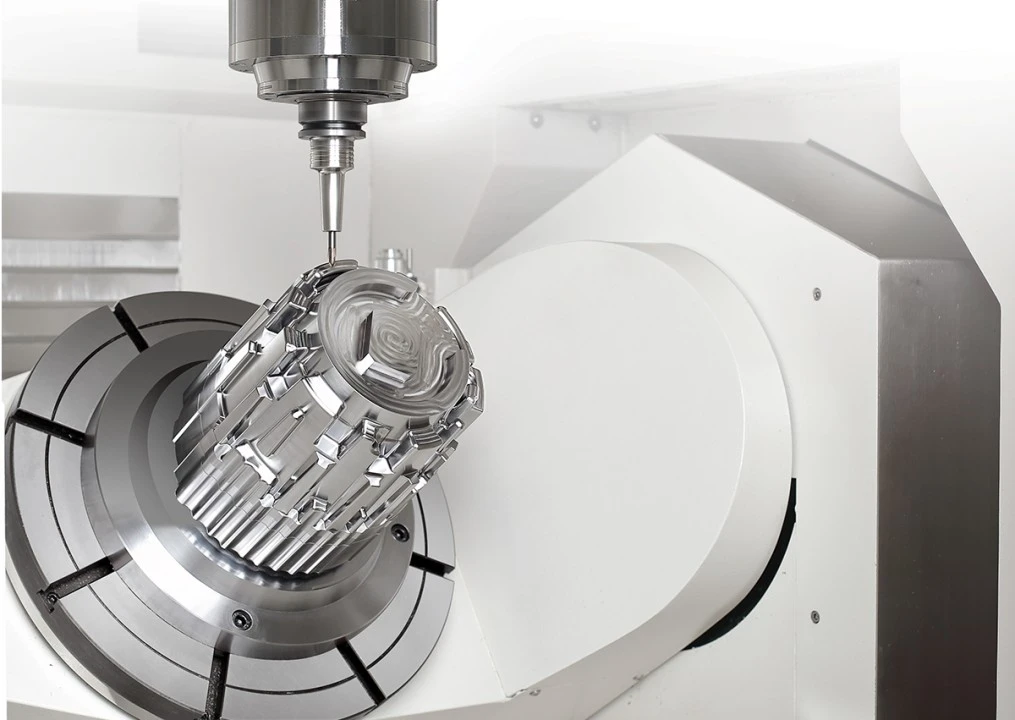
The Importance of Precision Machining Services
Precision machining offers a controlled approach to producing parts that fit and operate exactly as designed. It reduces delays, costly mistakes, and rework during assembly and helps keep projects on schedule.
It’s also efficient in terms of time and materials—minimizing errors and scrap lets you deliver parts faster without sacrificing quality. Whether you’re making a single prototype or running full production, precision machining ensures parts perform reliably.
What Is the Difference Between Precision Machining and Traditional Machining
Precision machining and traditional machining differ in accuracy, process control, and application. Precision machining uses CNC and automated systems to achieve repeatable, high-accuracy results. Traditional machining relies more on manual operations and is better suited for simpler parts.
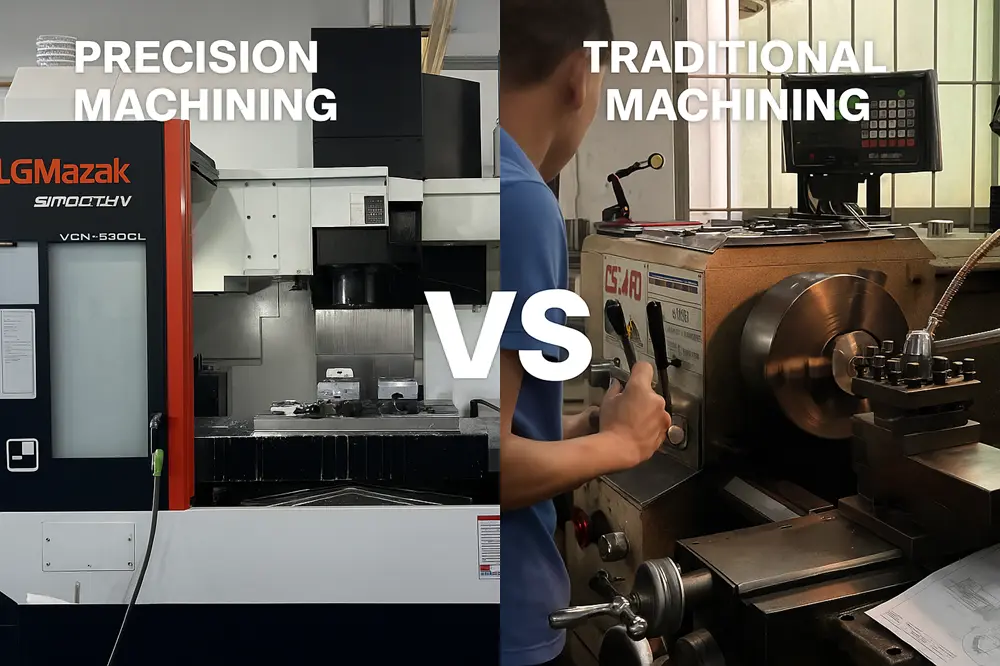
The table below dictates the differences between modern and traditional machining methods. It clarifies why precision machining is better for parts that require high precision and accuracy.
| Factors | Precision Machining | Traditional Machining |
| Cutting Accuracy | ±0.005 mm or better | ±0.05 mm or higher |
| Surface Finish | Smooth finishes (Ra 0.2–0.8 µm) | Rougher finishes (Ra 1–3 µm) |
| Equipment Type | CNC machines, multi-axis lathes, milling centres, wire EDM | Manual lathes, milling machines, and basic turning tools |
| Tolerance Consistency | High repeatability across batches | Variations between parts are common |
| Complexity of Parts | Complex geometries, fine features, intricate designs | Limited to simpler shapes and less intricate designs |
| Production Volume | Prototypes to large-scale production | Generally, small runs and simple parts |
Types of Precision Machining Services
Precision machining includes several specialized services, each designed to produce accurate, high-quality parts with smooth finishes. Understanding these options helps you choose the right method for your project.
Precision CNC Milling
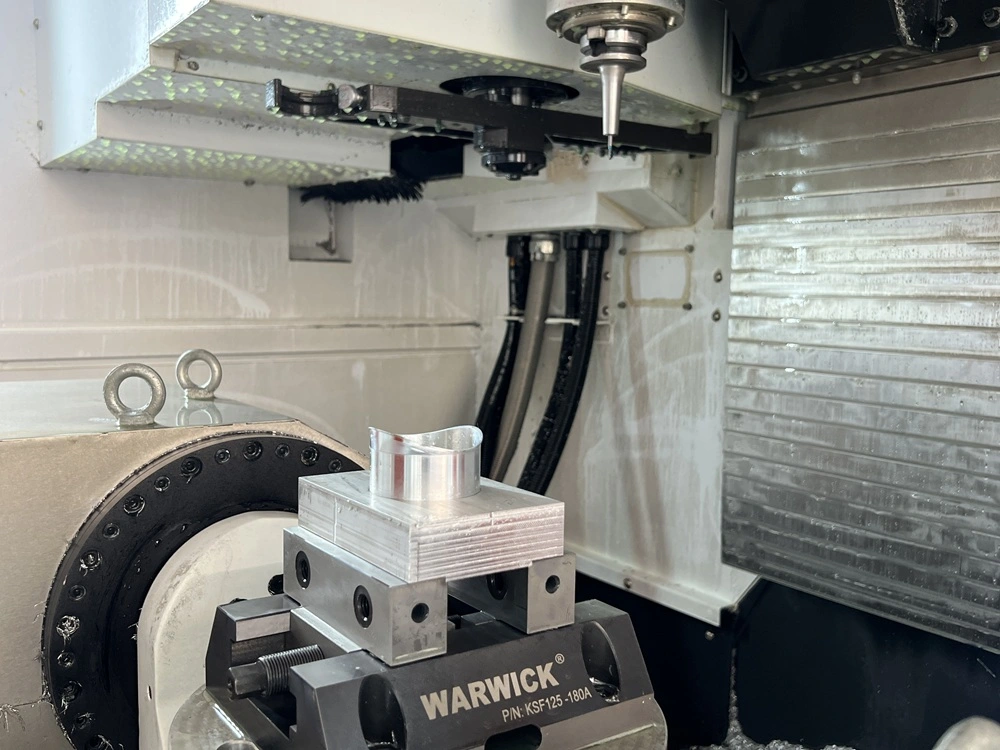
Precision CNC milling removes material from a workpiece using computer-controlled cutting tools to create contours, slots, and complex shapes. It works for prototypes and production runs and can process metals, plastics, and specialty materials. Typical parts include engine components, medical device housings, brackets, and electronic enclosures.
Mills are available in 3-, 4-, and 5-axis configurations. Five-axis machines are ideal for tight-tolerance parts and complex geometries that require excellent repeatability, though 3- and 4-axis machines remain useful for simpler parts.
Precision CNC Turning
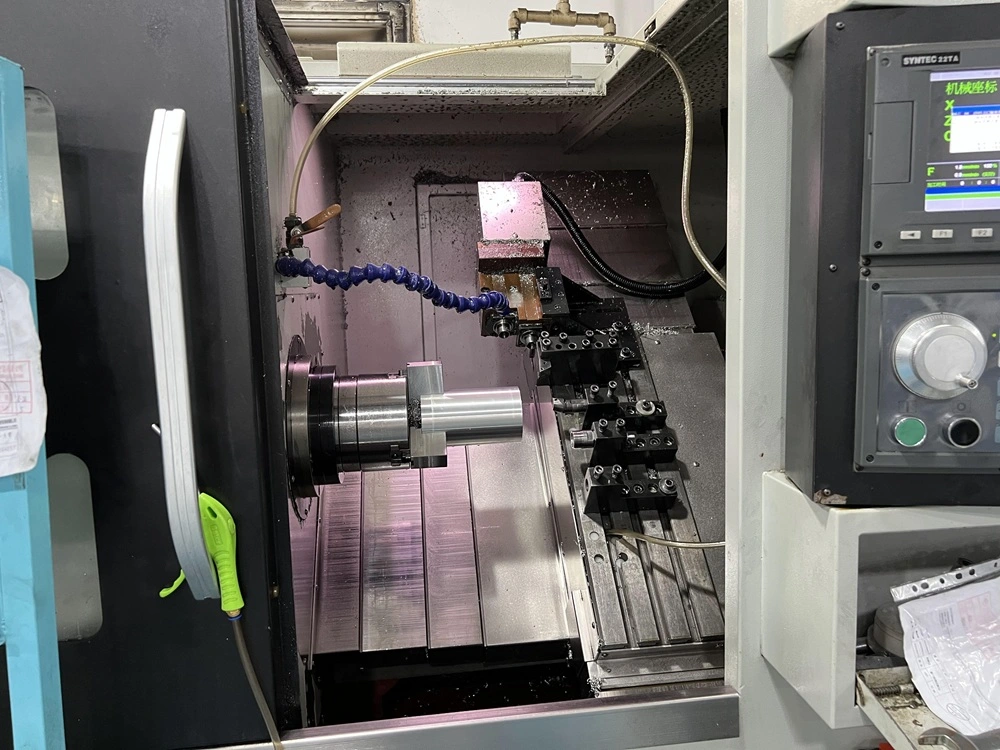
In precision CNC turning, the workpiece rotates while a stationary cutting tool shapes it. This process is well suited for cylindrical parts, threaded features, and smooth finishes. It’s efficient for both prototypes and high-volume runs with minimal rework.
Common turned parts include shafts, pins, bushings, screws, and cylindrical housings.
Precision Wire EDM (Electrical Discharge Machining)
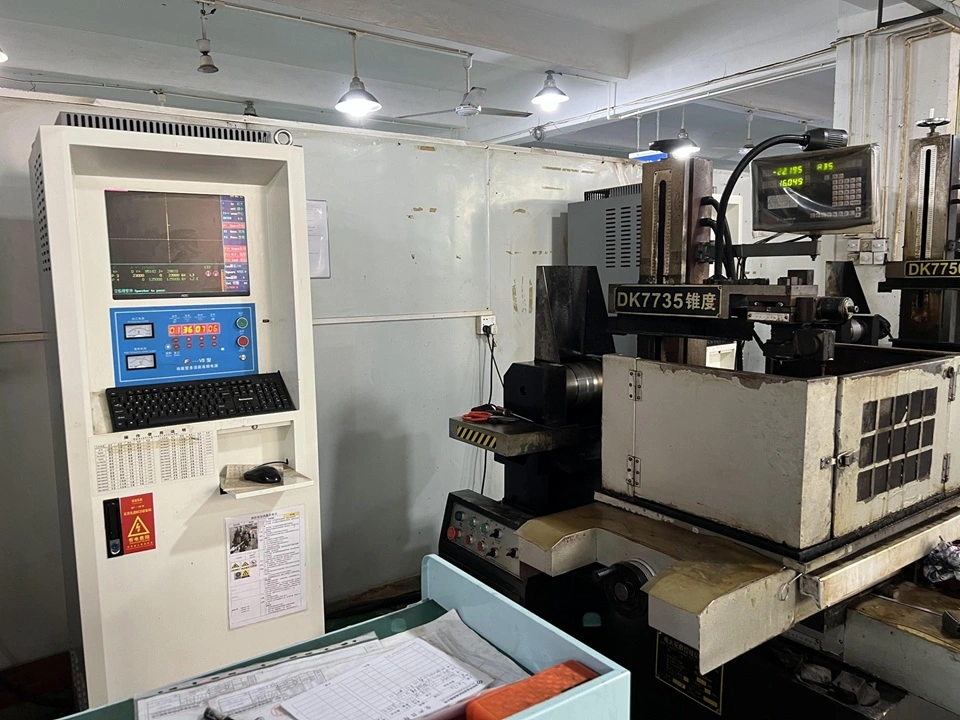
Precision Wire EDM uses a thin wire and electrical discharges to cut extremely hard or difficult-to-machine materials. It produces tight corners, intricate patterns, and tolerances down to ±0.005 mm that other methods often can’t achieve.
Wire EDM is commonly used for tools, dies, mold inserts, and parts made from hardened steels, titanium, and exotic alloys.
How to Choose the Right Precision Machining Service
Choosing the right precision machining partner can be overwhelming. Evaluate vendors on skills, experience, and quality control. Below are key questions to ask before selecting a machining partner.
Inquire about Material Options
Inquire about Material Options Ask which materials they can machine and where they source them. Confirm whether they use certified suppliers and whether they can recommend material alternatives to help optimize cost, performance, and manufacturability.
Ask about Tools and Technology
Ask about Tools and Technology Verify the shop’s equipment and capabilities. Are their machines modern and maintained to industry standards? Check if they have in-house CNC mills, multi-axis centers, turning centers, and Wire EDM. Make sure they can handle the size, tolerances, and surface finish your parts require—modern equipment reduces errors and shortens lead times.
Consider their Industry Experience
Choose a provider with experience in your industry. Companies familiar with your sector can anticipate common challenges, offer better solutions, and respond faster—reducing risk and improving the odds of project success.
Ask About Quality Control
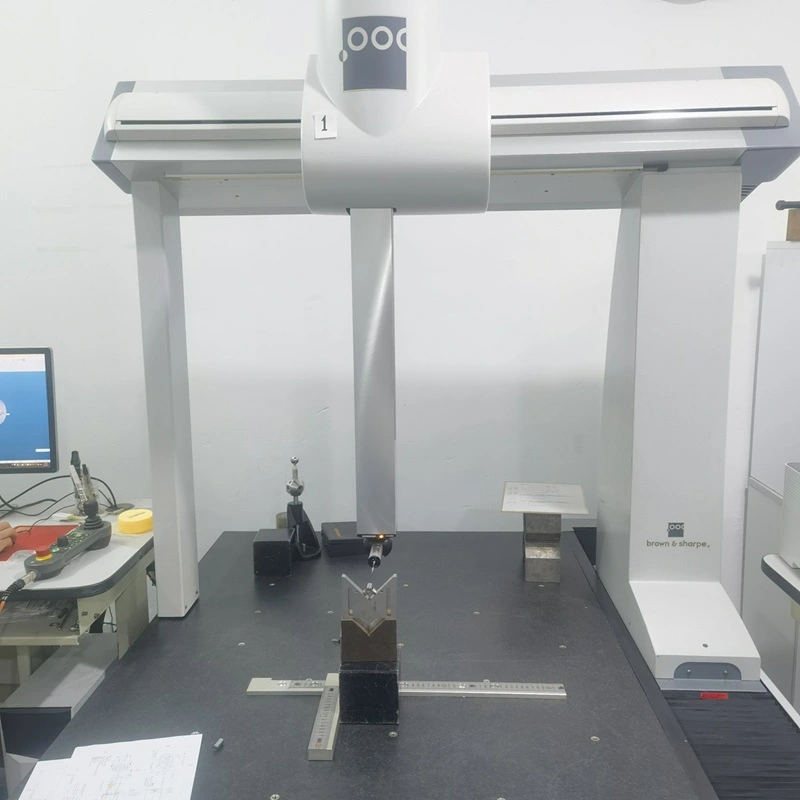
Ask how they verify tolerances and part quality. A reputable shop will use coordinate measuring machines (CMMs), optical comparators, and recognized inspection standards. Thorough quality control ensures parts meet your specifications and cuts down on rework.
Consider Cost, Lead Time, and Flexibility
Check out their prices, turnover time to make your parts/components, and how adaptable the production process is. The right provider knows how to get good results while also saving money.
Confirm whether they can handle prototypes, short runs, and high-volume production, and whether they can adapt to schedule changes when needed to keep your program on track.
What Industries Require Precision Machining Service
Precision machining services are critical across many industries that depend on high-quality components for safety, performance, and longevity.
Medical and Dental
Medical and dental applications demand extremely accurate, biocompatible parts. Implants, surgical instruments, and dental devices require smooth finishes and precise fits to meet rigorous regulatory and safety standards.
Aerospace and Aviation
The aerospace parts demand critical features and must withstand stress and harsh conditions. Parts like turbine blades, engine mounts, and sensor housings need to fit very tightly. Precision machining makes sure that the parts will last longer, perform reliably, and work well in hostile situations.
Automation and Robotics
Automation and robotics rely on small, complex, high-precision parts. Actuators, gears, shafts, and mounting components must meet tight dimensional requirements, which precision machining delivers.
Automotive and Industrial Machinery
Automotive and industrial equipment components need to be durable and dimensionally accurate. Engine parts, transmission gears, and housings all benefit from the repeatability and strength provided by precision machining.
Rollyu Precision CNC Machining Services
At Rollyu Precision, we deliver ISO-certified precision machining services using advanced CNC equipment, strict quality systems, and a wide range of materials and finishing options.
Our team supports prototyping, low-volume production, and large-scale manufacturing with expert material advice, free DFM (Design for Manufacturability) feedback, and custom surface finishes.
Partnering with Rollyu means every component meets your exact specifications — delivered on time, with precision you can rely on.
Contact us today to get an instant quote and start your project confidently.
Conclusion
Precision machining services deliver accurate, reliable results every time. This article covered their importance, the main machining options, and practical tips to help you choose the right partner. Following these guidelines helps you avoid errors, save time and money, and ensure your components perform exactly as intended.