What's happening in the CNC industry and Rollyu? What trends and innovations shouldn’t be missed? Learn more and check out rollyu's news.
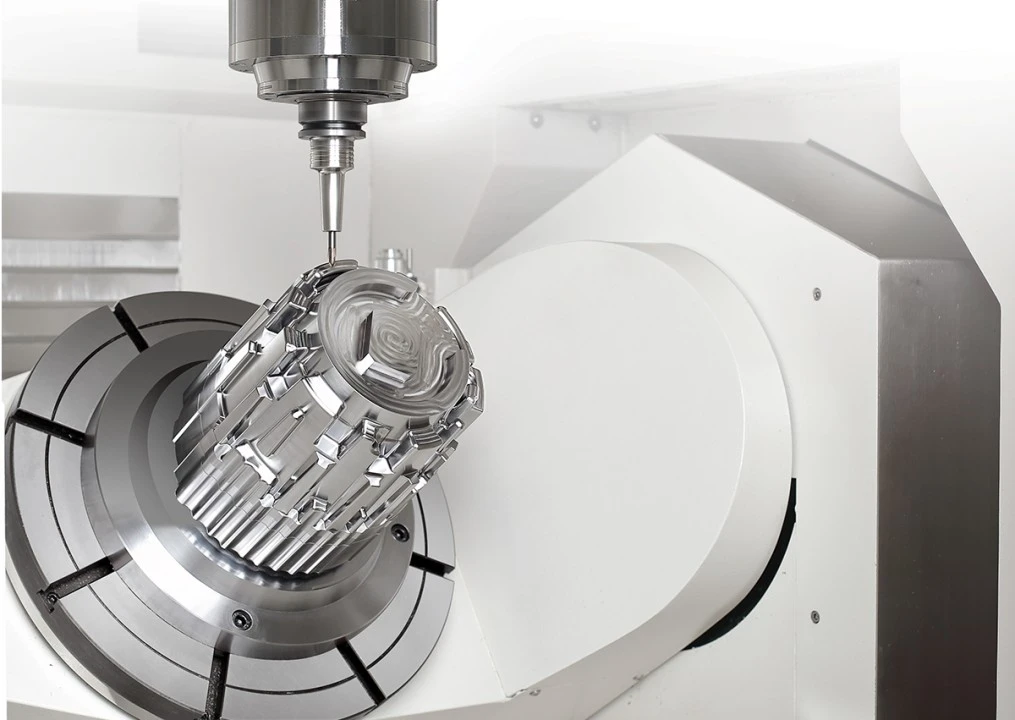
This handbook will give you a complete picture of what you should know about CNC aerospace machining and its basics, as well as the process of identifying the right manufacturing aerospace machine shop.
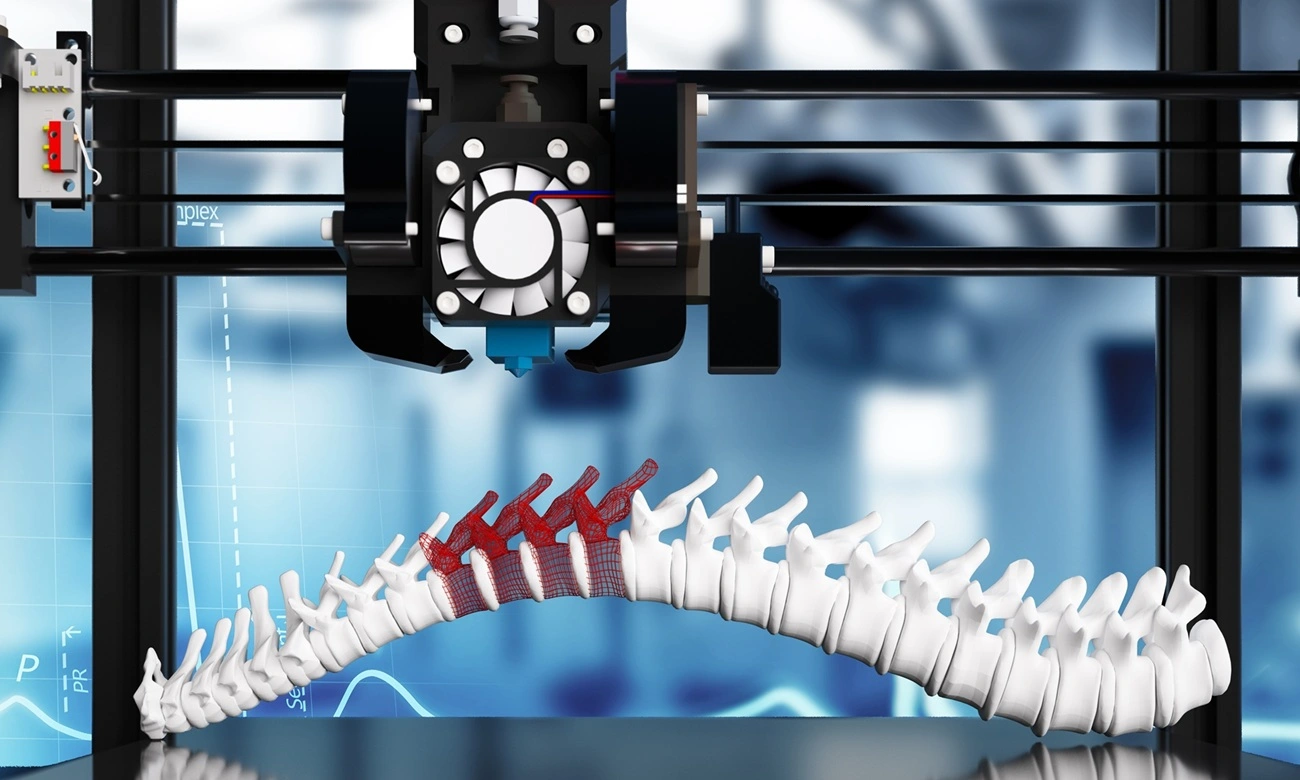
This guide will walk you through the 3D printing vs CNC machining difference and how to choose the best one for your specific project needs.
In this guide, we’ll walk through what medical sheet metal fabrication is, how it’s used in the medical industry, and the key factors to consider when choosing a fabrication partner.
We will examine its fundamental technologies, including 3D printing and CNC machining, and dive into their deepest advantages. We will offer you a clear guideline when choosing the right strategy for the project you will be dealing with, allowing you to deliver superior products to the market more quickly and efficiently.
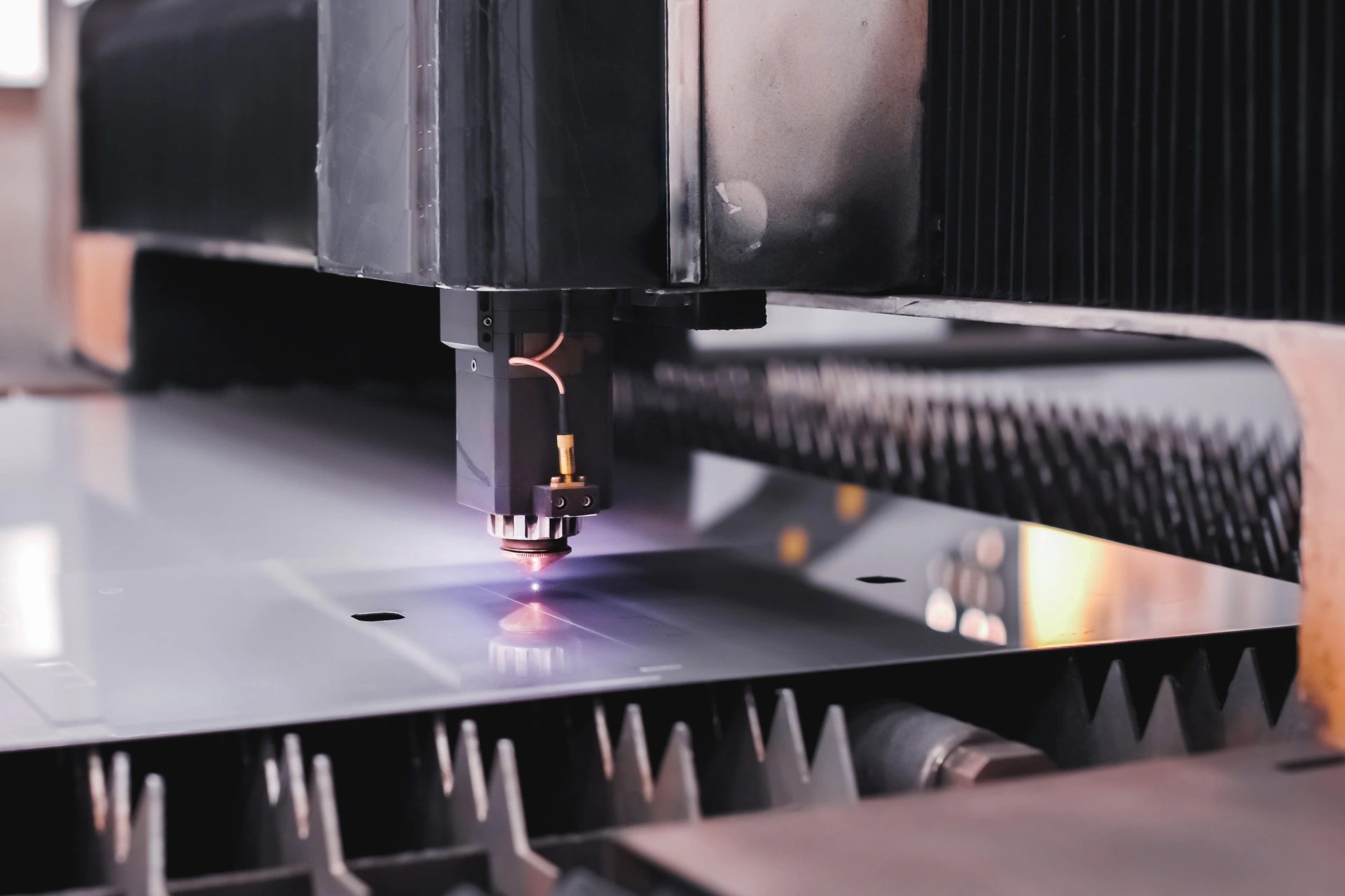
Sheet metal fabrication turns flat sheets into functional components and parts. The process uses laser cutting, shearing, punching, stamping, bending, and welding to achieve precise geometries. Manufacturers and engineers rely on these techniques to obtain high accuracy, structural integrity, and efficiency in large-scale production.
In today’s manufacturing world, CNC machining has become essential for producing high-precision, complex machining parts with unmatched consistency.
One enduring criterion characterizes modern manufacturing: its accuracy. Industries rely on precision custom components that function flawlessly under extreme conditions, whether they are micro machined parts, micro-connectors, medical precision components, life-saving medical implants, aerospace precision components , or jet engine components. There, the foundation of innovative production is Precision Machining Services.
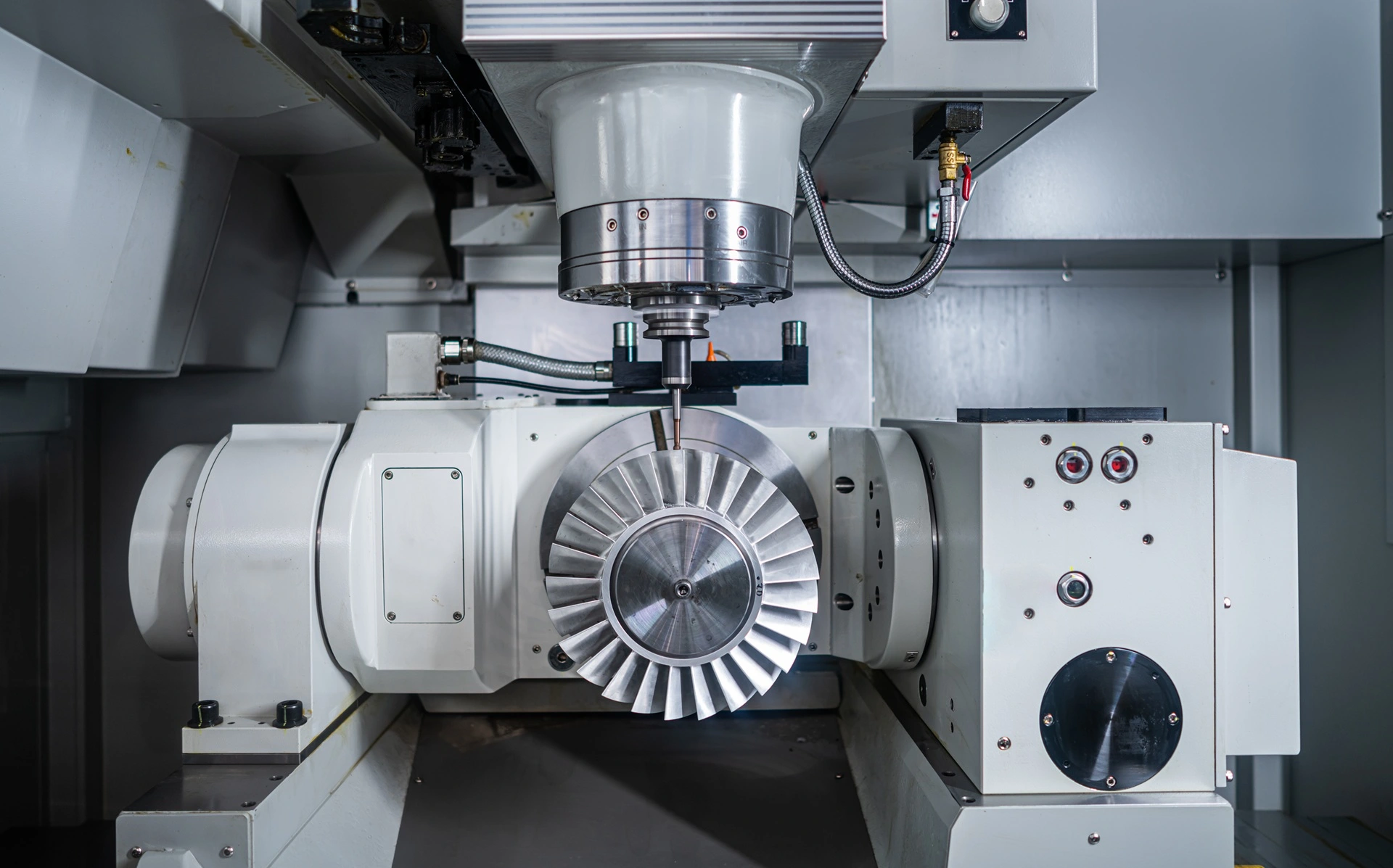
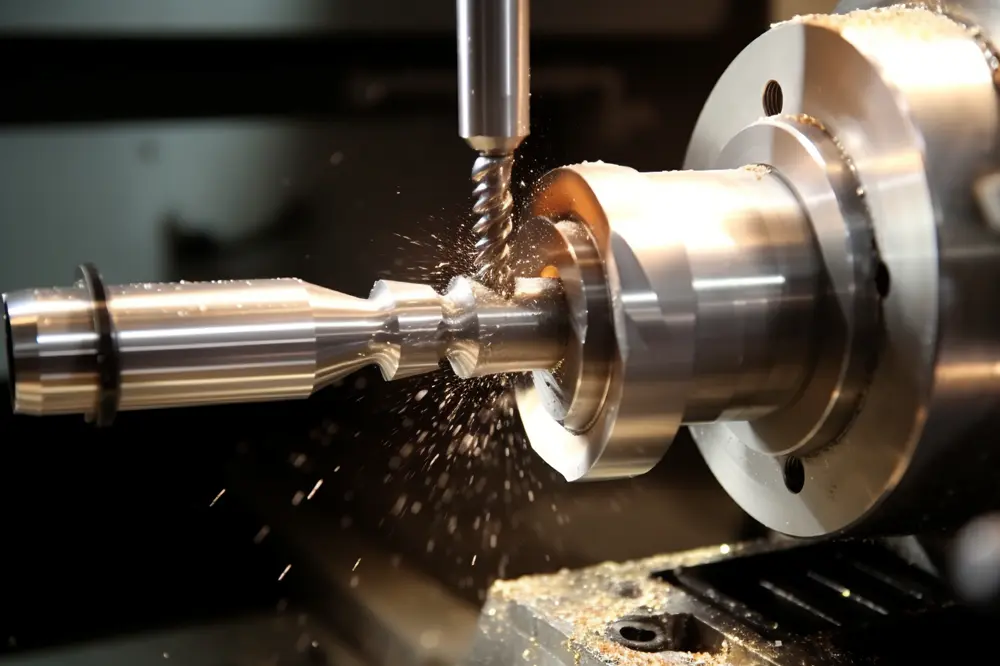
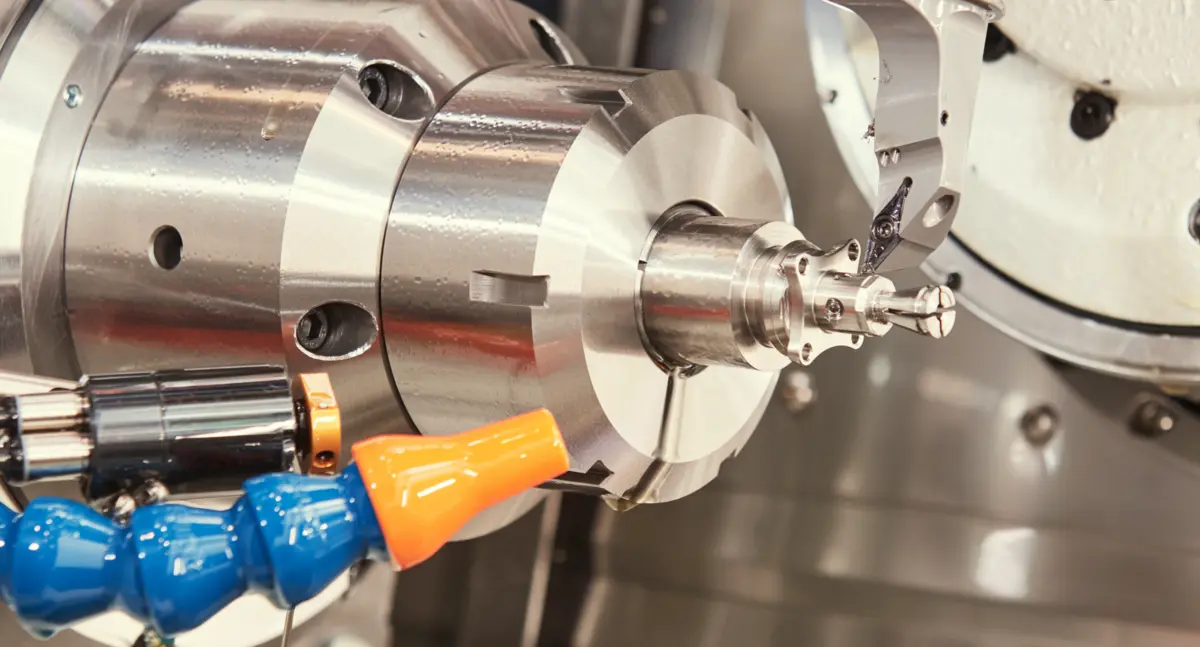
CNC machining (Computer Numerical Control) has become the foundation of modern manufacturing. Unlike manual methods, CNC machines use computer programming and automation to execute precise cutting, drilling, milling, and shaping operations.
CNC stands for Computer Numerical Control, and it marks a fundamental shift in the way machining is performed. Instead of relying on hand-operated tools, CNC uses coded instructions to guide every step of the process. Programmed commands define movements, spindle speeds, and tool paths, eliminating guesswork and delivering a level of precision that manual setups cannot match.
Rapid prototyping 3D printing accelerates product development by turning design files into real parts in just days—not weeks. This speed allows teams to test ideas quickly, refine designs, and keep projects moving forward with less risk and more control.
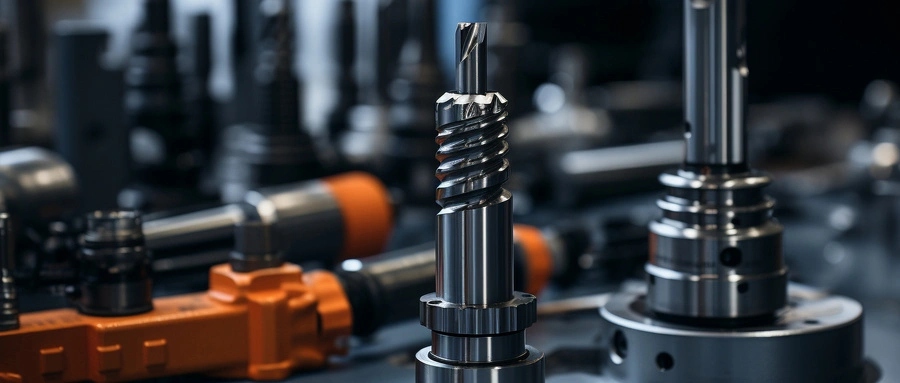
Precision machining services enable parts to be manufactured exactly to design specifications. You get components that fit perfectly and perform as intended every time. To keep accuracy and quality high, every step of the process is carefully monitored.
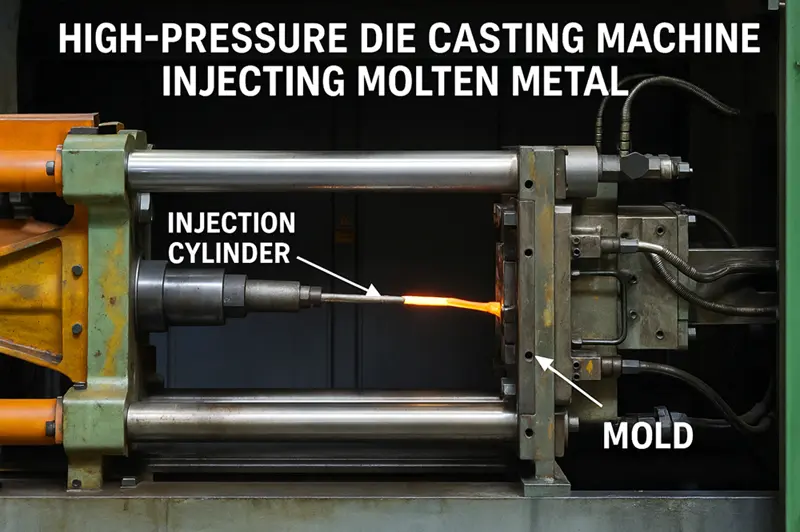
The manufacturing die casting process forces molten metal into steel molds under high pressure to produce accurate, robust parts. It’s ideal for components with complex shapes, consistent finishes, and high quality. Aluminum and zinc are the most common die-cast metals for industries like robotics, automotive, power tools,medical devices,aerospace, and industrial equipment.