Rollyu Blog | Custom Machining & Services

Blog

From the business, for the world: News about Rollyu

What's happening in the CNC industry and Rollyu? What trends and innovations shouldn’t be missed? Learn more and check out rollyu's news.

miniature rivets securing electronic circuit board inside compact housing

What Is a Rivet? Types, Uses, and How It Works

Rivets provide permanent, vibration-resistant joints for high-stress builds. This article covers common types and the precision needed for a secure fit.

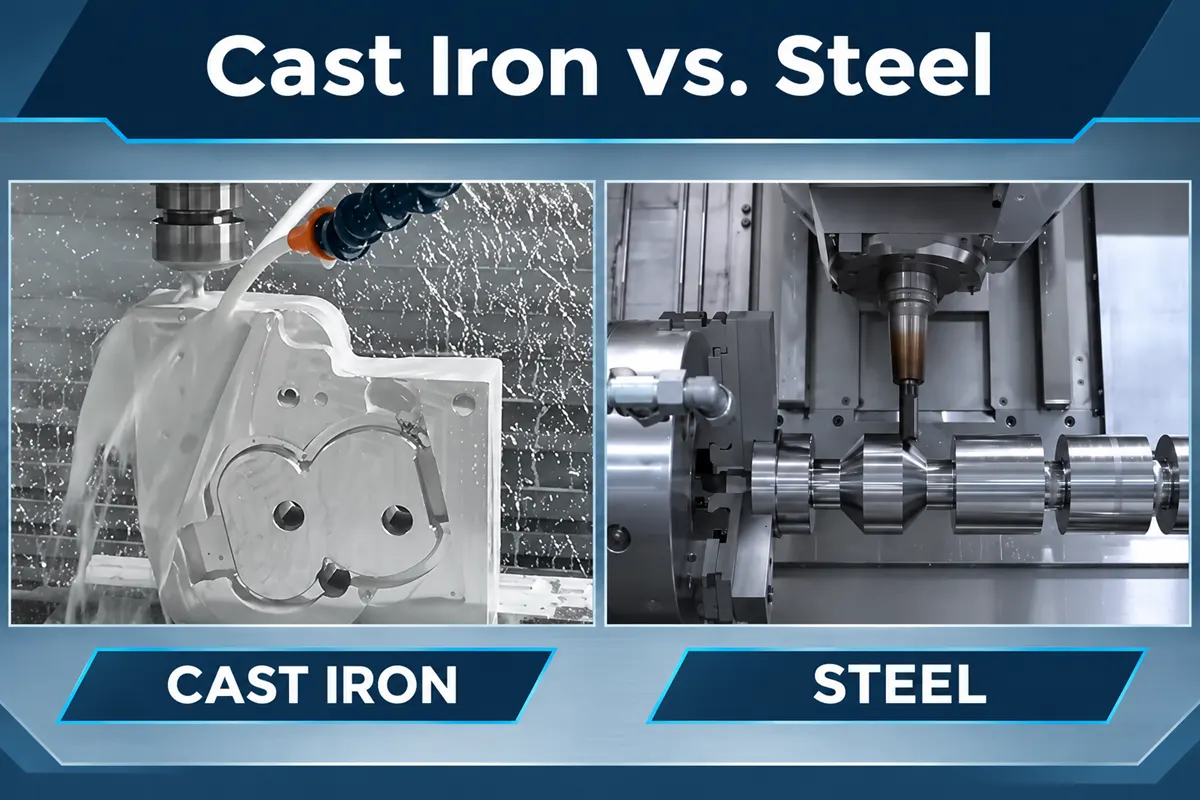
cast-iron-and-steel-surface-comparison

Cast Iron vs Steel: Key Differences and How to Choose

Cast iron is great for heavy, stationary parts that need stiffness and vibration control. Steel is the better pick when strength, shock loads, and safety margins matter.

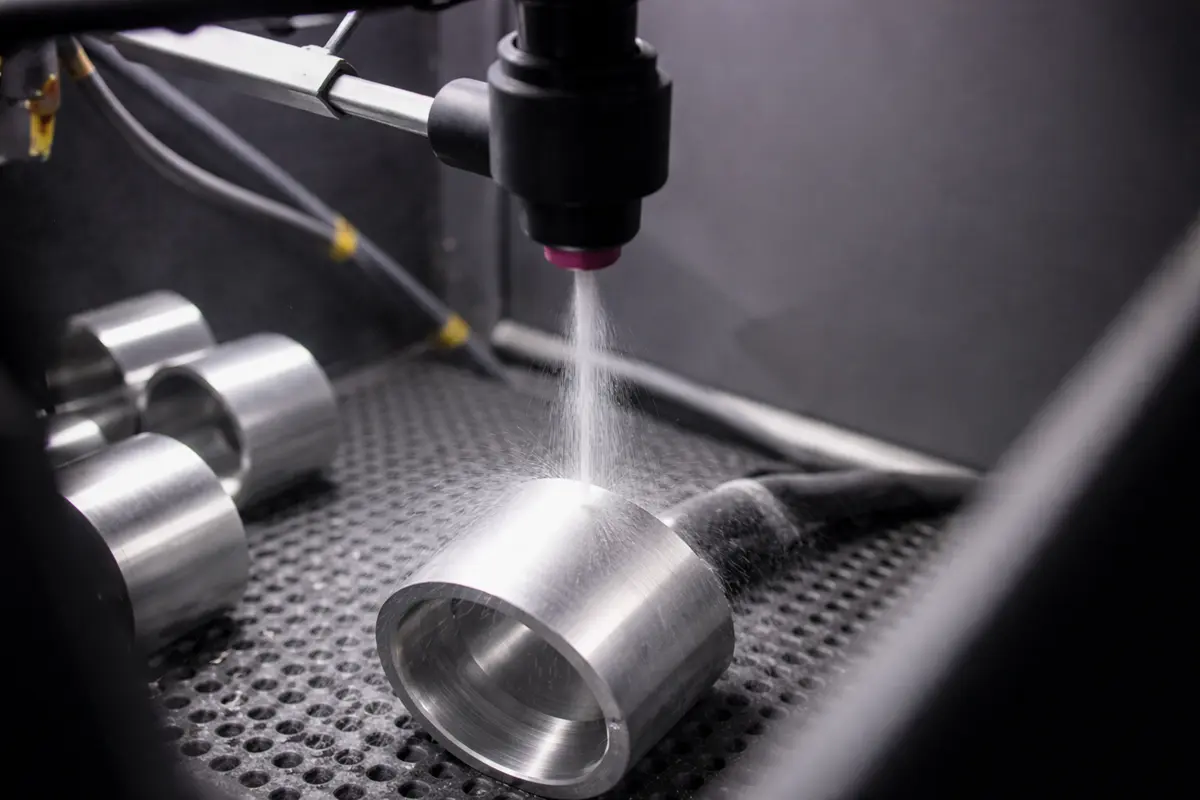
performing bead blasting on CNC machined metal parts for a uniform satin finish

Bead Blasting: What It Is and How to Design CNC Parts for It

Bead blasting delivers a clean, satin-matte look while keeping CNC dimensions stable. This article covers media selection and design rules to avoid warping, trapped beads, and tolerance risk.

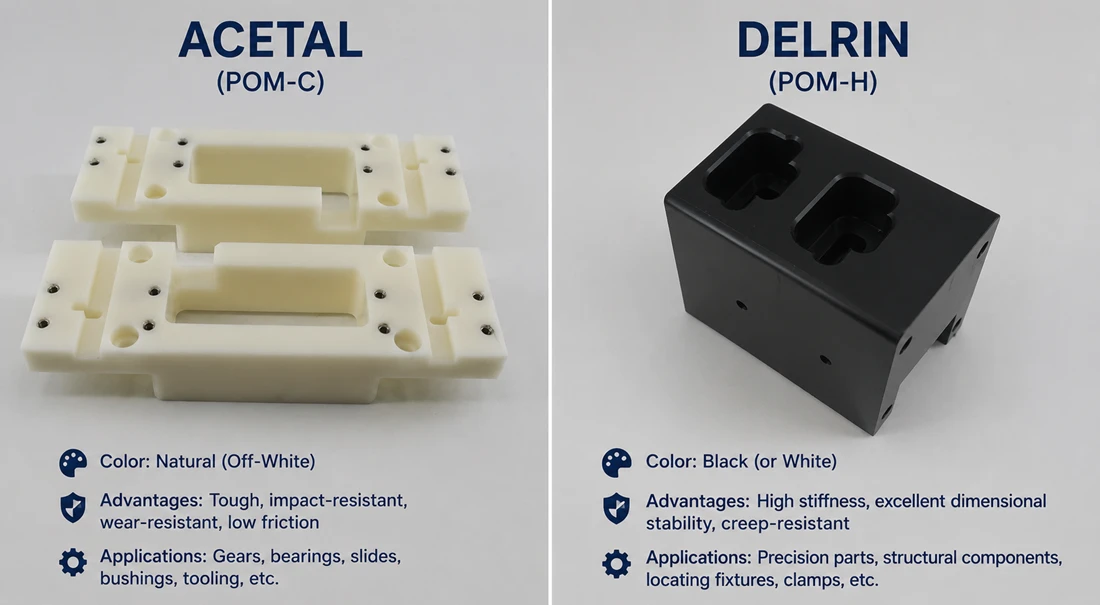
acetal vs delrin

Acetal vs. Delrin: Key Machining and Performance Differences

Delrin offers raw strength, while Acetal provides chemical stability. This guide breaks down the performance differences to help you avoid part failure and unnecessary costs.

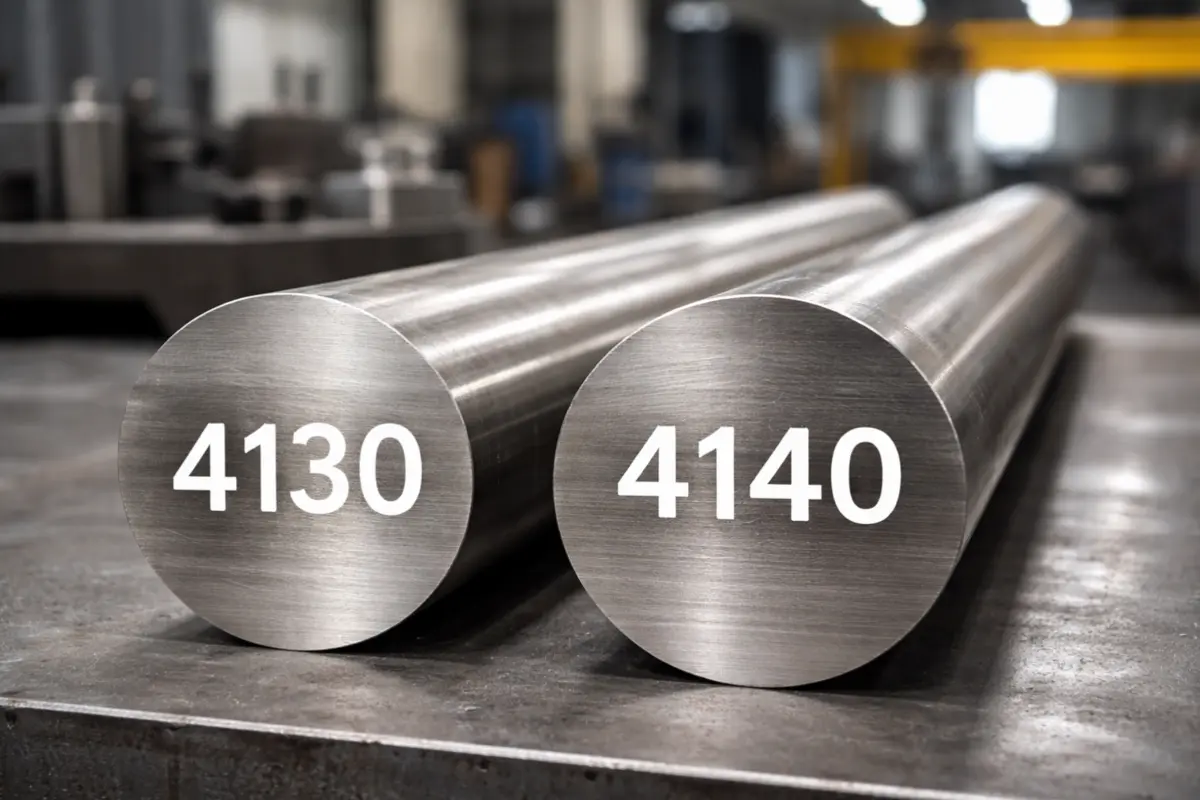
Close-up of 4130 and 4140 steel bars side by side representing alloy comparison

4140 vs 4130 Steel: Which Alloy is Best for Your Project?

Choosing between 4130 and 4140 affects strength, wear life, and manufacturing risk across machining, heat treat, and welding. 4130 suits welded or formed structures for toughness and fabrication ease, while 4140 is preferred for higher strength and wear resistance after heat treat.

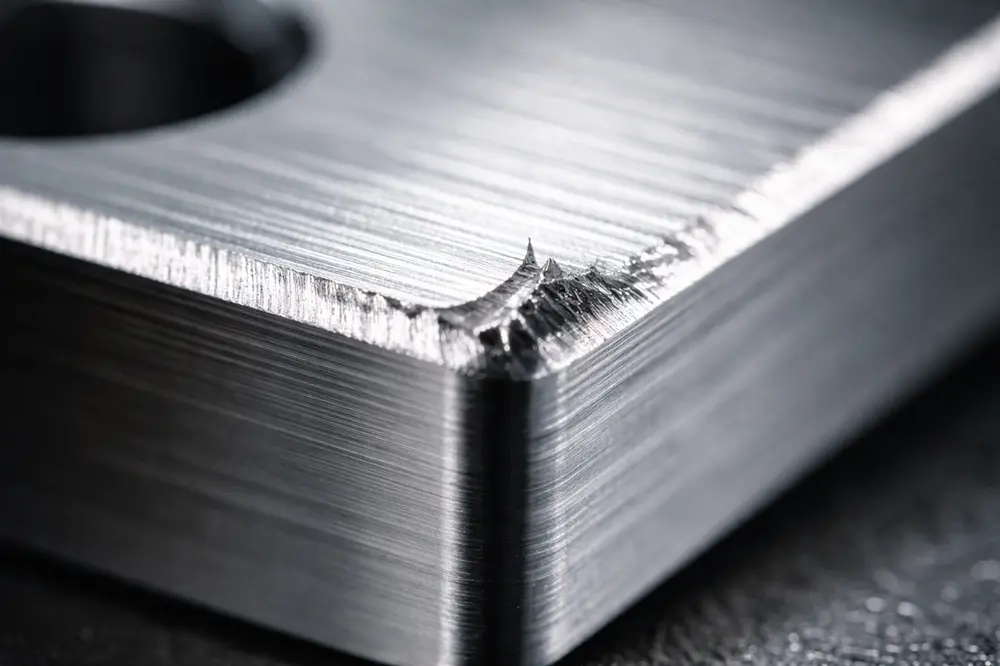
Macro close-up of a jagged burr on a CNC-machined metal edge

What Is Deburring and Why It Matters for Your CNC Parts?

Burrs affect fit, safety, and part life. Learn what causes them, how to remove them, and how to specify burr free edges or edge breaks for consistent CNC results.

precision-boring-machining-overview

Precision Boring Machining: Processes, Tools and Applications

Boring enlarges and trues existing holes for precision fits. Explore setups, roughing and finishing techniques, key tools, and common applications in aerospace, automotive, and heavy equipment.

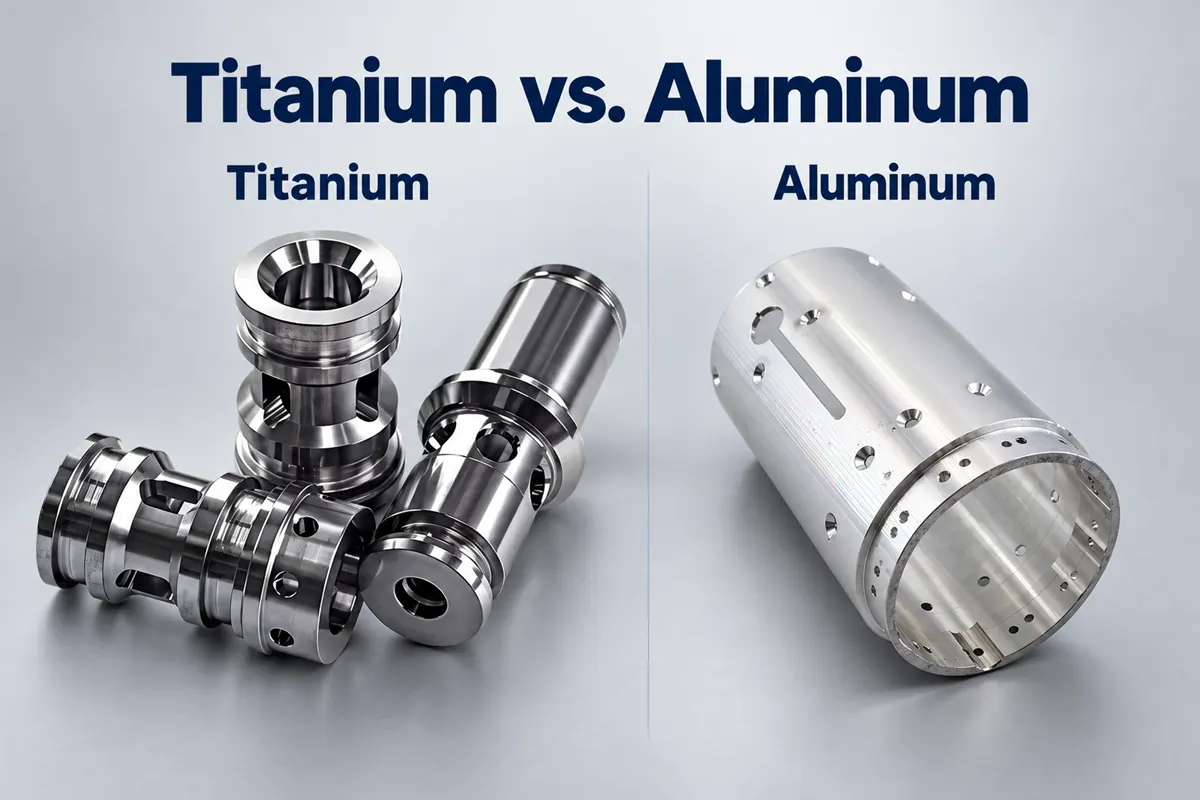
titanium-vs-aluminum-machinability-cost-performance

Titanium vs. Aluminum: Machinability, Cost and Performance

Compare the strength, weight, and machining costs of titanium and aluminum. Choose the right metal for high-performance aerospace, medical, and marine parts.

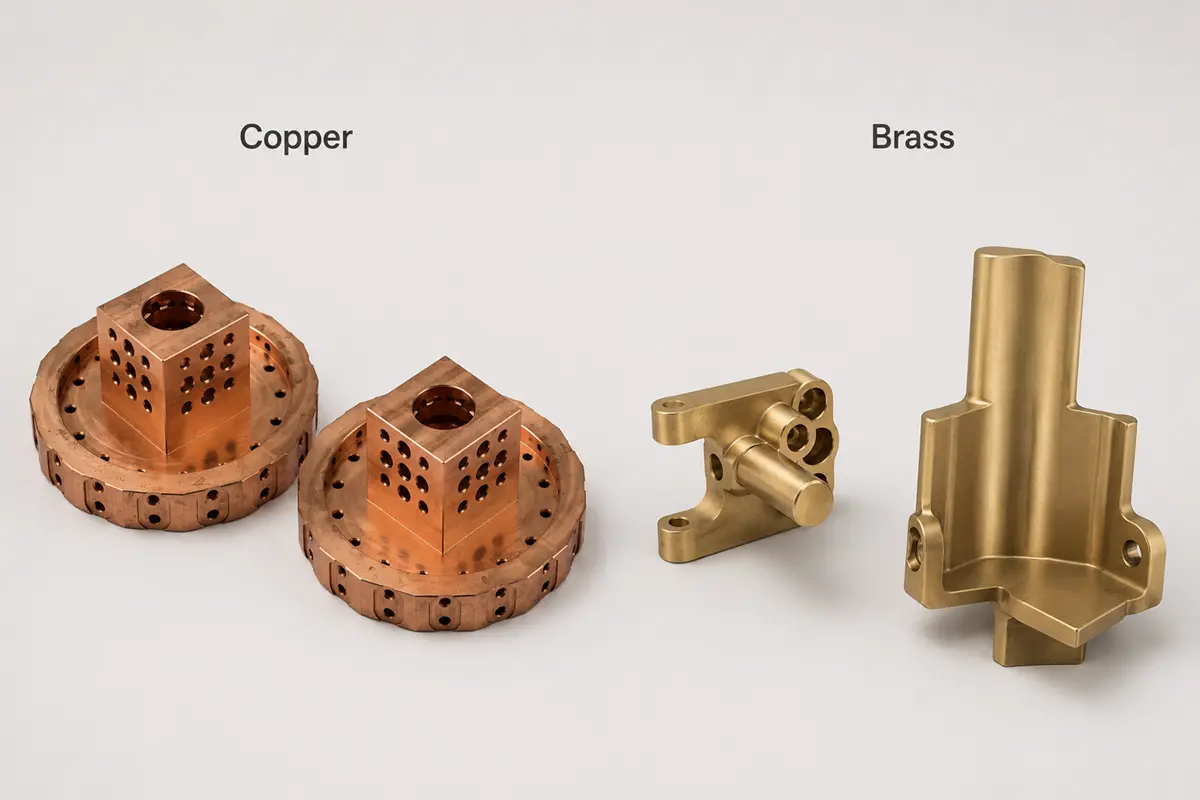
Side by side copper and bronze samples on a workshop table with a caliper

Copper vs. Bronze: Which One Should You Use for Your Project?

Excerpt Copper excels in conductivity, while Bronze offers superior durability and lower machining costs. Compare mechanical properties and pricing to select the ideal alloy for your project.

rockwell-hardness-testing-metal-parts

Hardness of Materials: What It Is and Why It Matters

Hardness protects parts but drives up manufacturing costs. This guide explains industry testing standards and helps you choose the right material to save time and money.

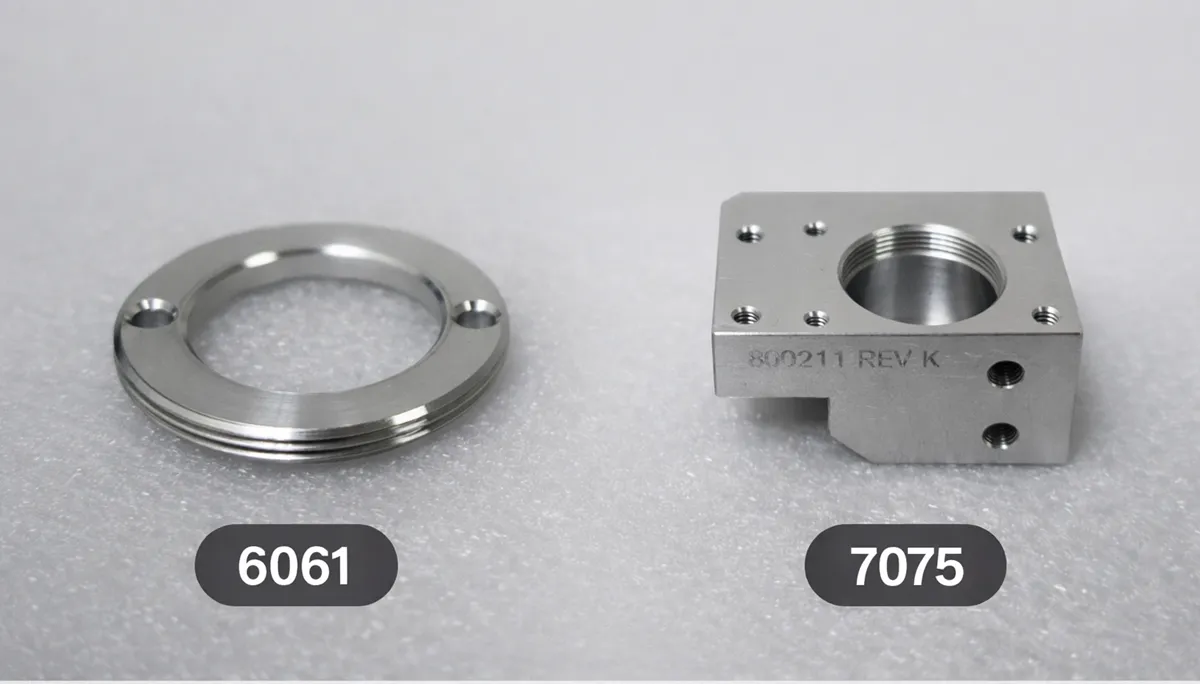
Two machined aluminum parts labeled 6061 and 7075 side-by-side for direct comparison

6061 Aluminum vs 7075 Aluminum: Which One Should You Choose for CNC Machining?

6061 Aluminum is versatile and affordable; 7075 delivers aerospace strength. Compare properties and cost to pick the best alloy for your CNC project.

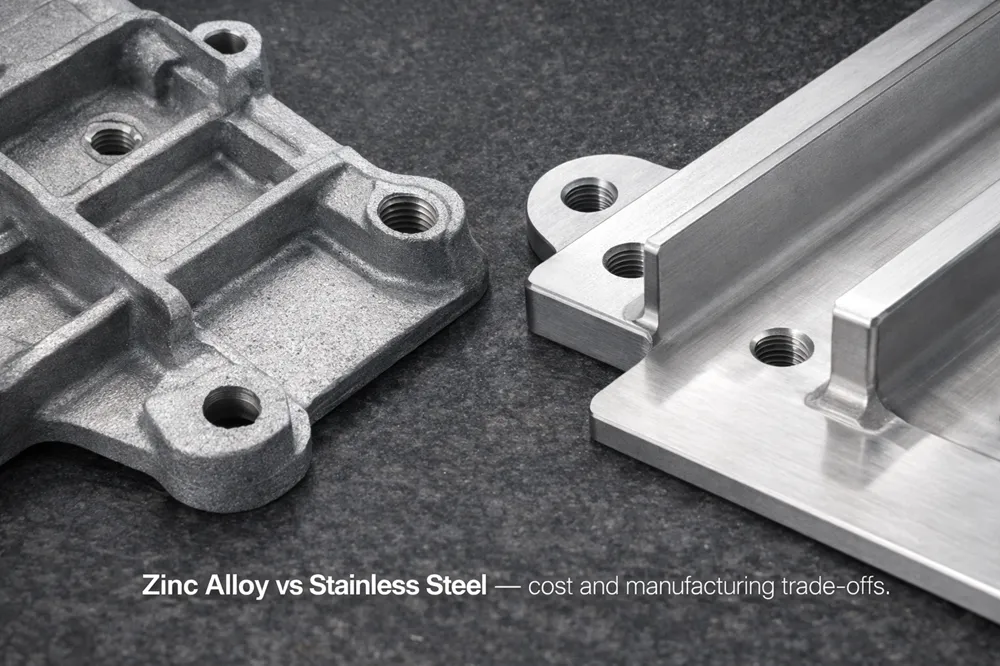
Close-up of a zinc die-cast part next to a stainless steel machined component

Zinc Alloy vs Stainless Steel: Cost and Manufacturing Guide

Zinc Alloy vs. Stainless Steel: Material choice drives 50% of costs. Compare properties, manufacturing (Die Casting vs. CNC), and budget trade-offs to optimize your project.

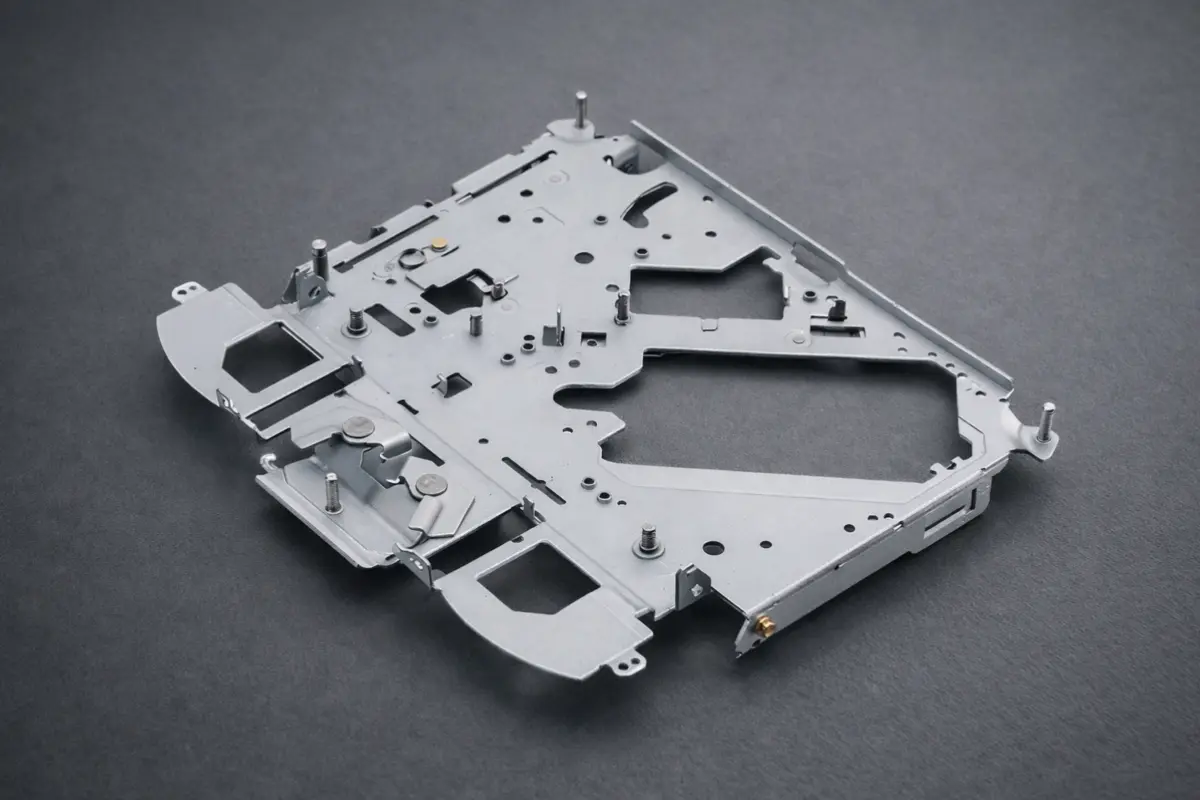
miniature rivets securing electronic circuit board inside compact housing

What Is a Rivet? Types, Uses, and How It Works

Rivets provide permanent, vibration-resistant joints for high-stress builds. This article covers common types and the precision needed for a secure fit.

cast-iron-and-steel-surface-comparison

Cast Iron vs Steel: Key Differences and How to Choose

Cast iron is great for heavy, stationary parts that need stiffness and vibration control. Steel is the better pick when strength, shock loads, and safety margins matter.

performing bead blasting on CNC machined metal parts for a uniform satin finish

Bead Blasting: What It Is and How to Design CNC Parts for It

Bead blasting delivers a clean, satin-matte look while keeping CNC dimensions stable. This article covers media selection and design rules to avoid warping, trapped beads, and tolerance risk.

acetal vs delrin

Acetal vs. Delrin: Key Machining and Performance Differences

Delrin offers raw strength, while Acetal provides chemical stability. This guide breaks down the performance differences to help you avoid part failure and unnecessary costs.

Close-up of 4130 and 4140 steel bars side by side representing alloy comparison

4140 vs 4130 Steel: Which Alloy is Best for Your Project?

Choosing between 4130 and 4140 affects strength, wear life, and manufacturing risk across machining, heat treat, and welding. 4130 suits welded or formed structures for toughness and fabrication ease, while 4140 is preferred for higher strength and wear resistance after heat treat.

Macro close-up of a jagged burr on a CNC-machined metal edge

What Is Deburring and Why It Matters for Your CNC Parts?

Burrs affect fit, safety, and part life. Learn what causes them, how to remove them, and how to specify burr free edges or edge breaks for consistent CNC results.

precision-boring-machining-overview

Precision Boring Machining: Processes, Tools and Applications

Boring enlarges and trues existing holes for precision fits. Explore setups, roughing and finishing techniques, key tools, and common applications in aerospace, automotive, and heavy equipment.

titanium-vs-aluminum-machinability-cost-performance

Titanium vs. Aluminum: Machinability, Cost and Performance

Compare the strength, weight, and machining costs of titanium and aluminum. Choose the right metal for high-performance aerospace, medical, and marine parts.

Side by side copper and bronze samples on a workshop table with a caliper

Copper vs. Bronze: Which One Should You Use for Your Project?

Excerpt Copper excels in conductivity, while Bronze offers superior durability and lower machining costs. Compare mechanical properties and pricing to select the ideal alloy for your project.

rockwell-hardness-testing-metal-parts

Hardness of Materials: What It Is and Why It Matters

Hardness protects parts but drives up manufacturing costs. This guide explains industry testing standards and helps you choose the right material to save time and money.

Two machined aluminum parts labeled 6061 and 7075 side-by-side for direct comparison

6061 Aluminum vs 7075 Aluminum: Which One Should You Choose for CNC Machining?

6061 Aluminum is versatile and affordable; 7075 delivers aerospace strength. Compare properties and cost to pick the best alloy for your CNC project.

Close-up of a zinc die-cast part next to a stainless steel machined component

Zinc Alloy vs Stainless Steel: Cost and Manufacturing Guide

Zinc Alloy vs. Stainless Steel: Material choice drives 50% of costs. Compare properties, manufacturing (Die Casting vs. CNC), and budget trade-offs to optimize your project.
Outstanding Achievements and Partnerships

We take pride in our outstanding achievements and strong partnerships. Our commitment to great communication, service, and integrity has led to excellent results.
Join us as a valued partner, and together, we can make a positive impact on CNC.

Contact Us