What's happening in the CNC industry and Rollyu? What trends and innovations shouldn’t be missed? Learn more and check out rollyu's news.
Cast iron is great for heavy, stationary parts that need stiffness and vibration control. Steel is the better pick when strength, shock loads, and safety margins matter.
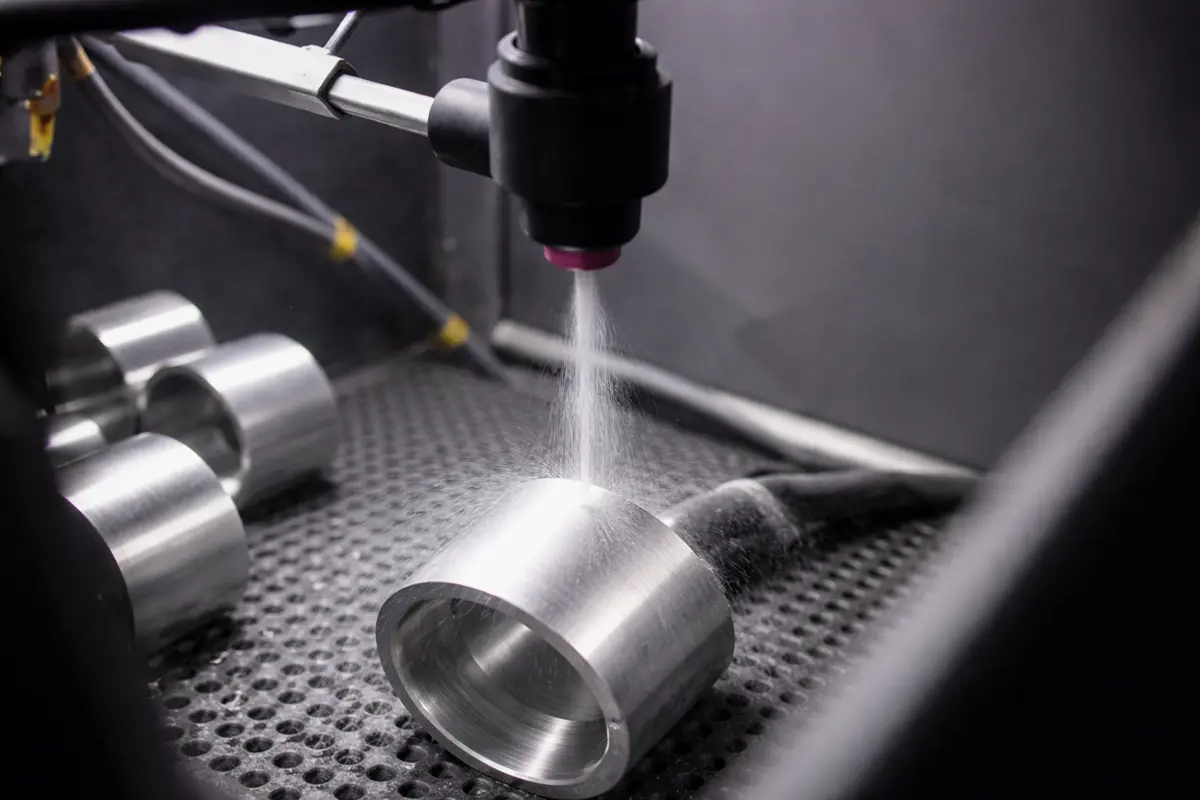
Bead blasting delivers a clean, satin-matte look while keeping CNC dimensions stable. This article covers media selection and design rules to avoid warping, trapped beads, and tolerance risk.
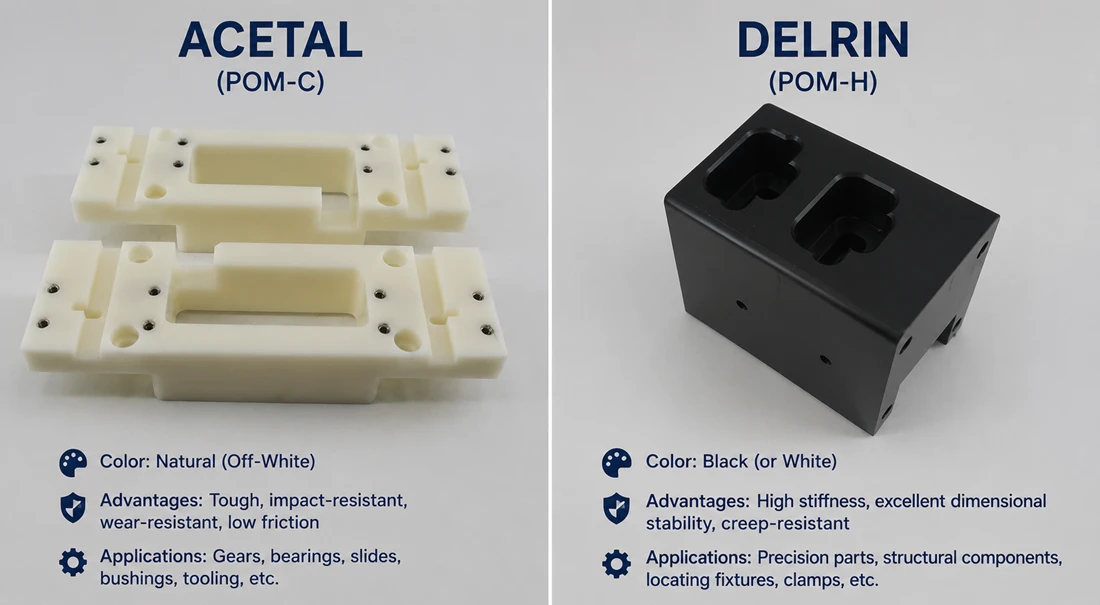
Delrin offers raw strength, while Acetal provides chemical stability. This guide breaks down the performance differences to help you avoid part failure and unnecessary costs.
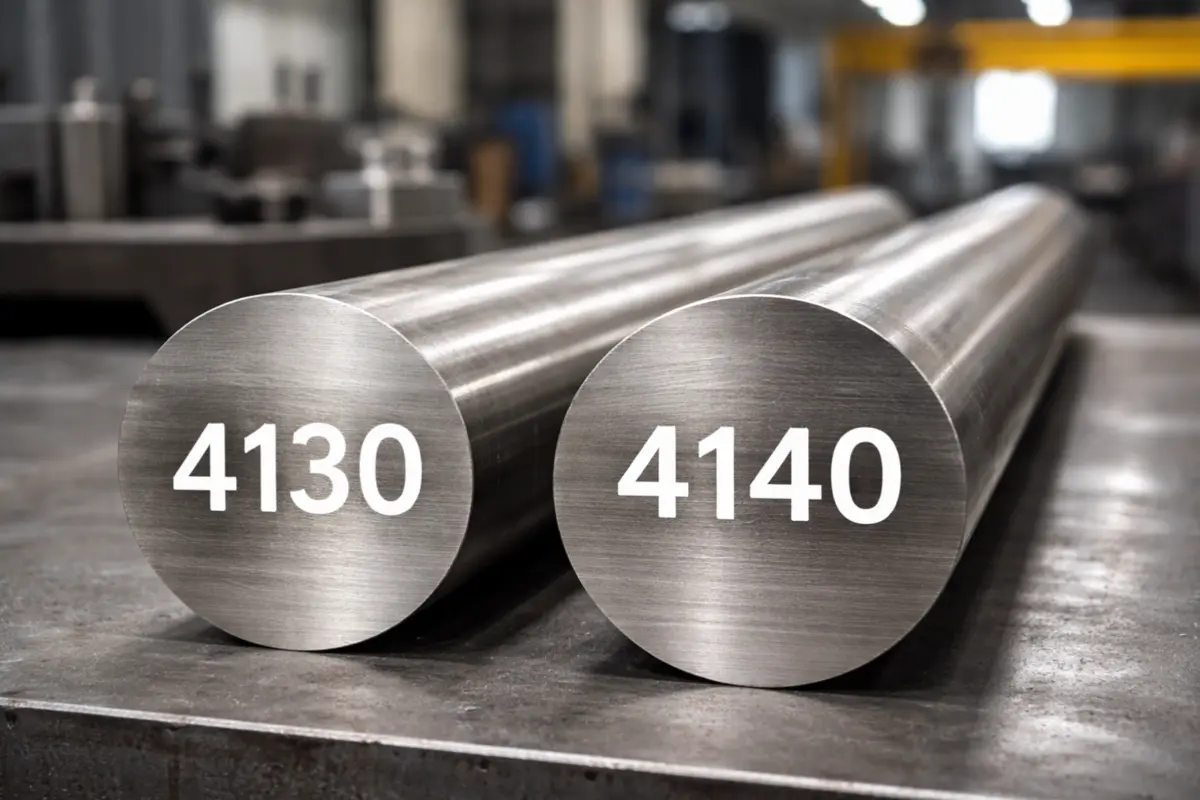
Choosing between 4130 and 4140 affects strength, wear life, and manufacturing risk across machining, heat treat, and welding. 4130 suits welded or formed structures for toughness and fabrication ease, while 4140 is preferred for higher strength and wear resistance after heat treat.
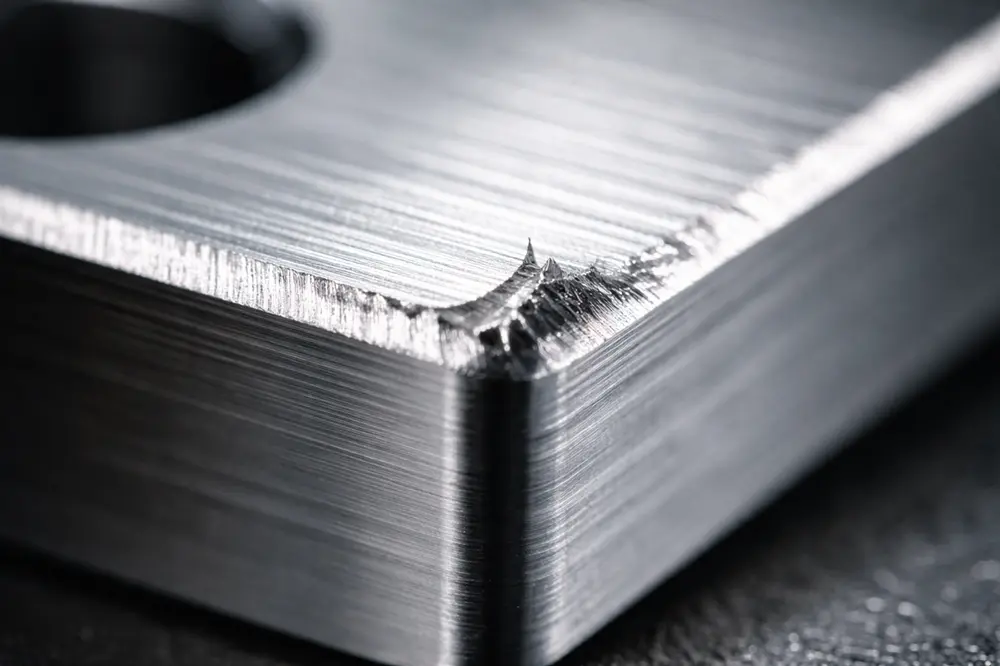
Burrs affect fit, safety, and part life. Learn what causes them, how to remove them, and how to specify burr free edges or edge breaks for consistent CNC results.
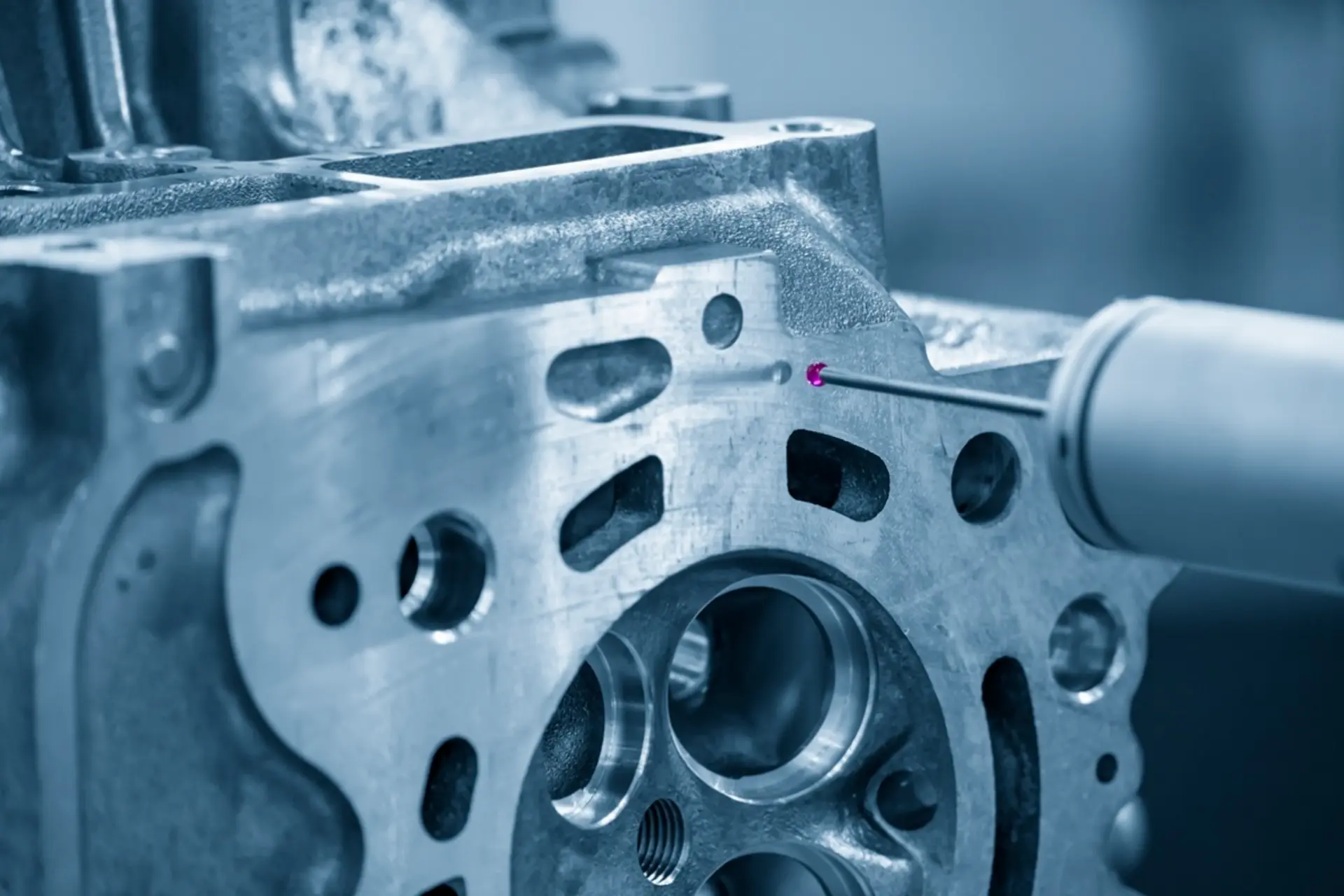
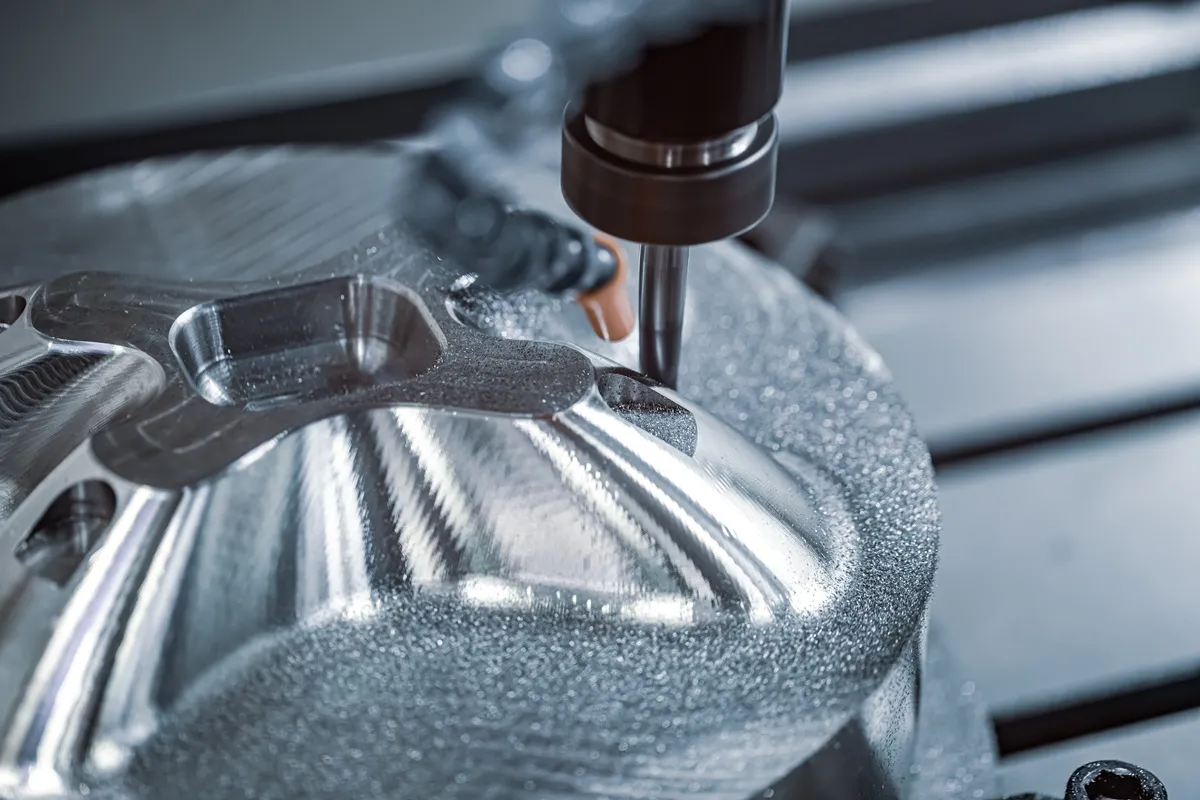
Boring enlarges and trues existing holes for precision fits. Explore setups, roughing and finishing techniques, key tools, and common applications in aerospace, automotive, and heavy equipment.
Compare the strength, weight, and machining costs of titanium and aluminum. Choose the right metal for high-performance aerospace, medical, and marine parts.
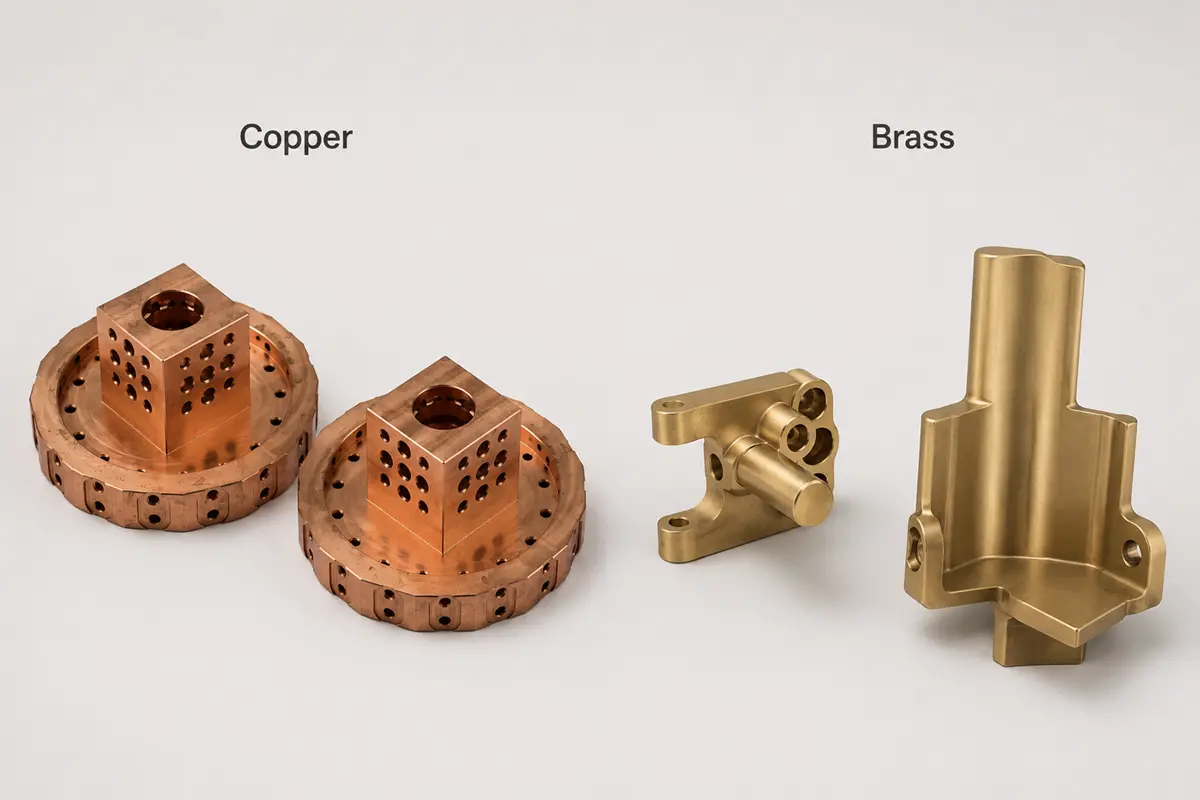
Excerpt Copper excels in conductivity, while Bronze offers superior durability and lower machining costs. Compare mechanical properties and pricing to select the ideal alloy for your project.
Hardness protects parts but drives up manufacturing costs. This guide explains industry testing standards and helps you choose the right material to save time and money.
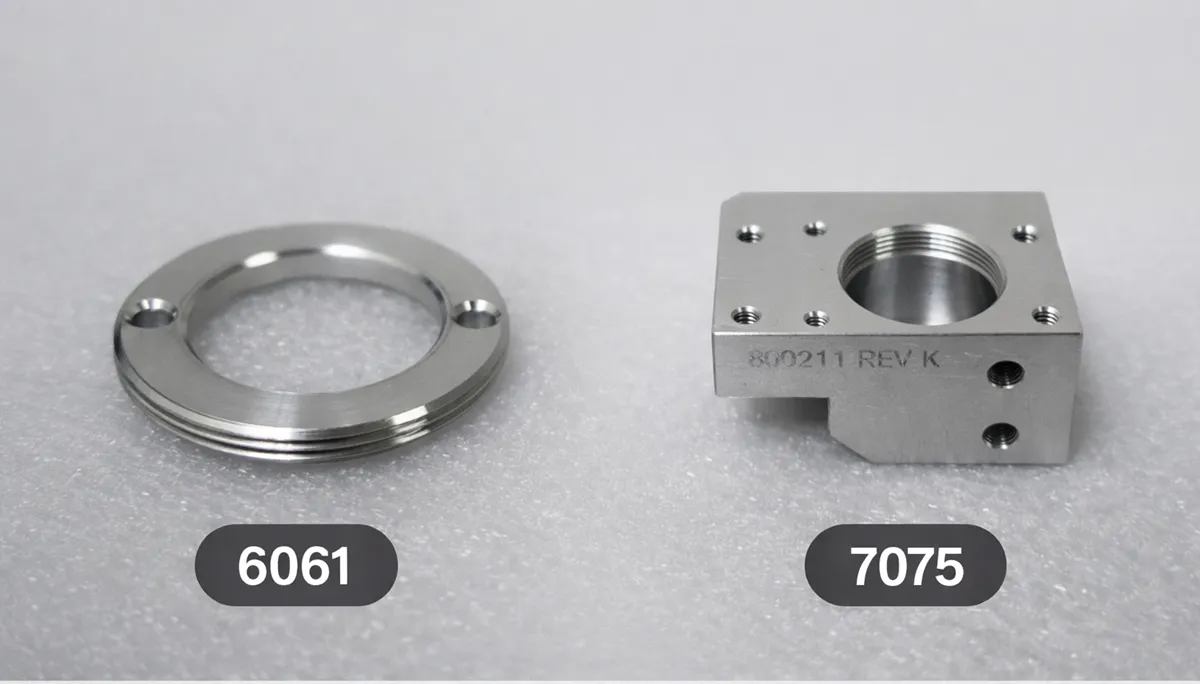
6061 Aluminum is versatile and affordable; 7075 delivers aerospace strength. Compare properties and cost to pick the best alloy for your CNC project.
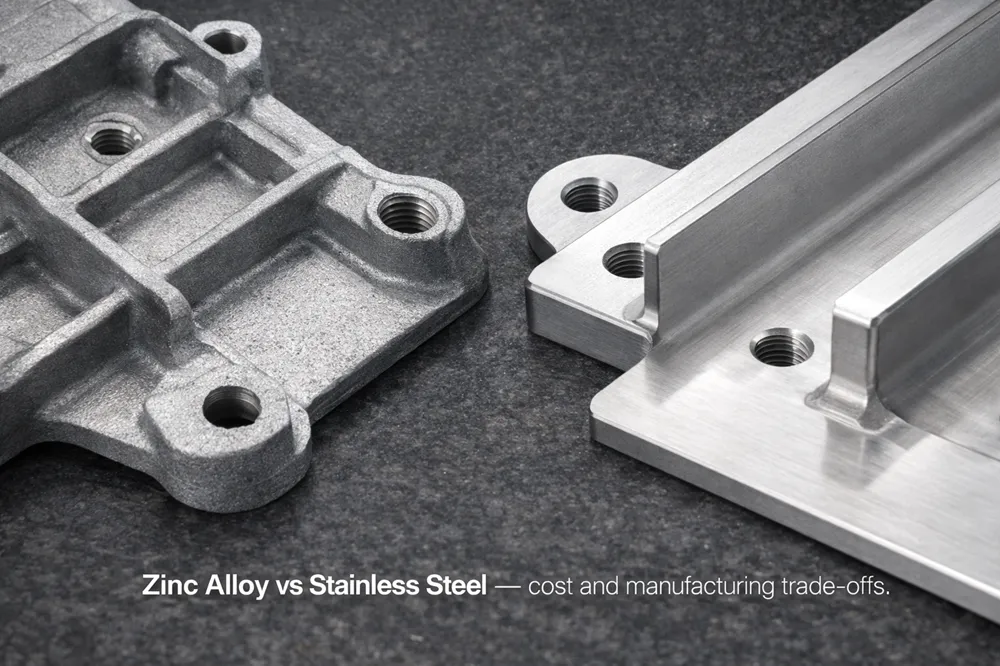
Zinc Alloy vs. Stainless Steel: Material choice drives 50% of costs. Compare properties, manufacturing (Die Casting vs. CNC), and budget trade-offs to optimize your project.
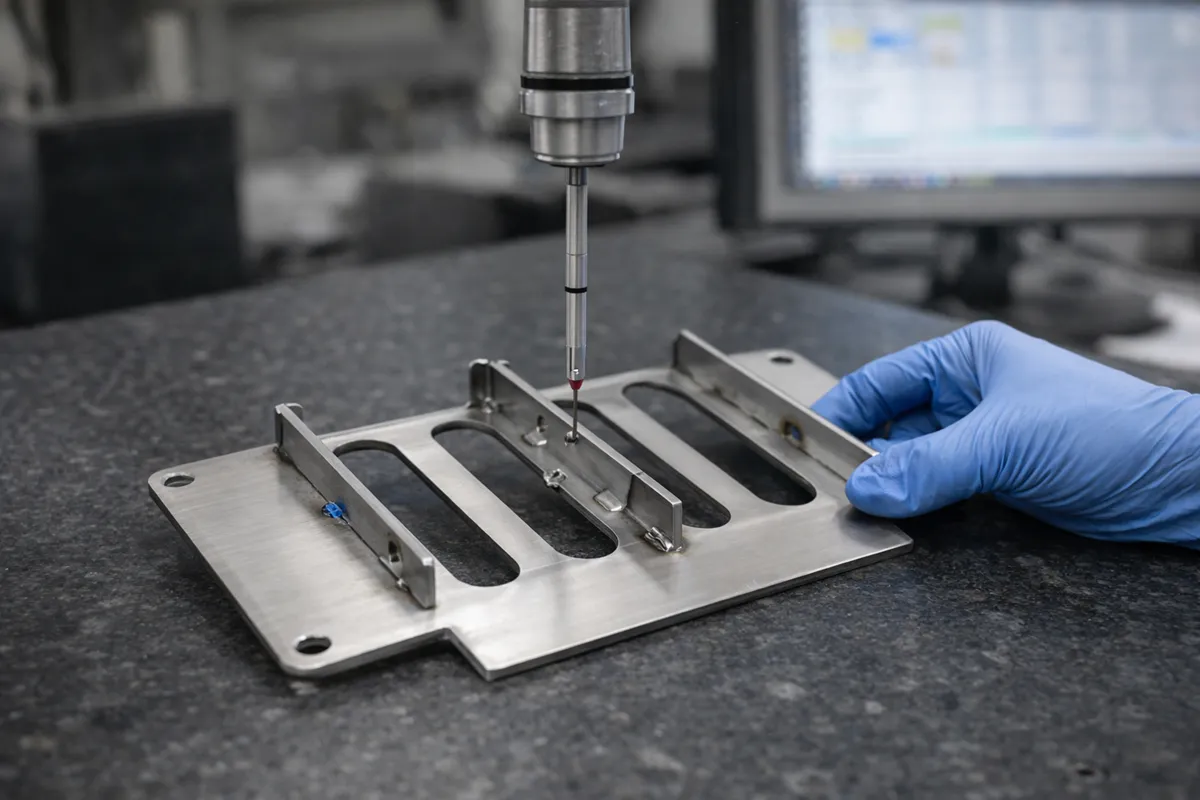
Don't let heat stress ruin your precision parts. Learn the professional methods for managing thermal expansion and preventing distortion during the sheet metal welding process.