According to a recent report by McKinsey regarding the future of air mobility, the demand for lightweight materials is projected to increase significantly as manufacturers aim to reduce fuel consumption and extend battery range. This trend forces engineers to make critical choices early in the design phase. While steel remains a staple, the real battle for high-performance efficiency often comes down to choosing the right light metal for the job.
Titanium offers superior strength and heat resistance but costs more to machine. Aluminum is lightweight, affordable and easy to cut. This guide compares their mechanical properties, machinability and ideal applications to help you choose the right material for your parts.
What are Titanium and Aluminum?
Before comparing specifications, we need to define the fundamental differences between these two metals. Their unique characteristics determine how they react under the cutter and perform in the field.
What is Titanium?
Titanium is a premium metal defined by the highest strength-to-density ratio of any metallic element. It excels in harsh environments due to a natural oxide layer that resists corrosion from seawater and chemicals.
What is Aluminum?
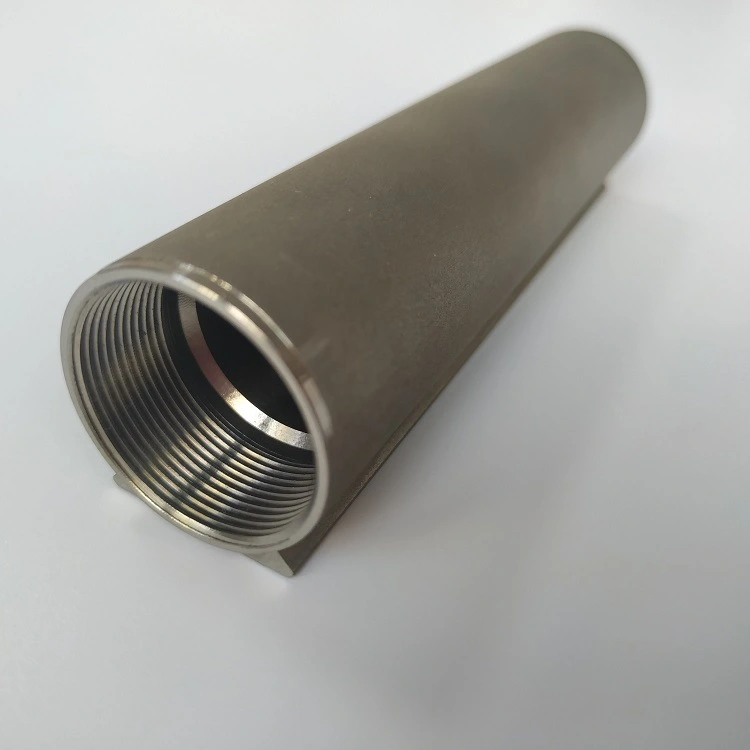
Aluminum is the most common metal for general lightweighting and rapid prototyping. It features a density roughly one-third that of steel, which makes it ideal for reducing mass without sacrificing volume. The material is soft, non-magnetic, and highly conductive.
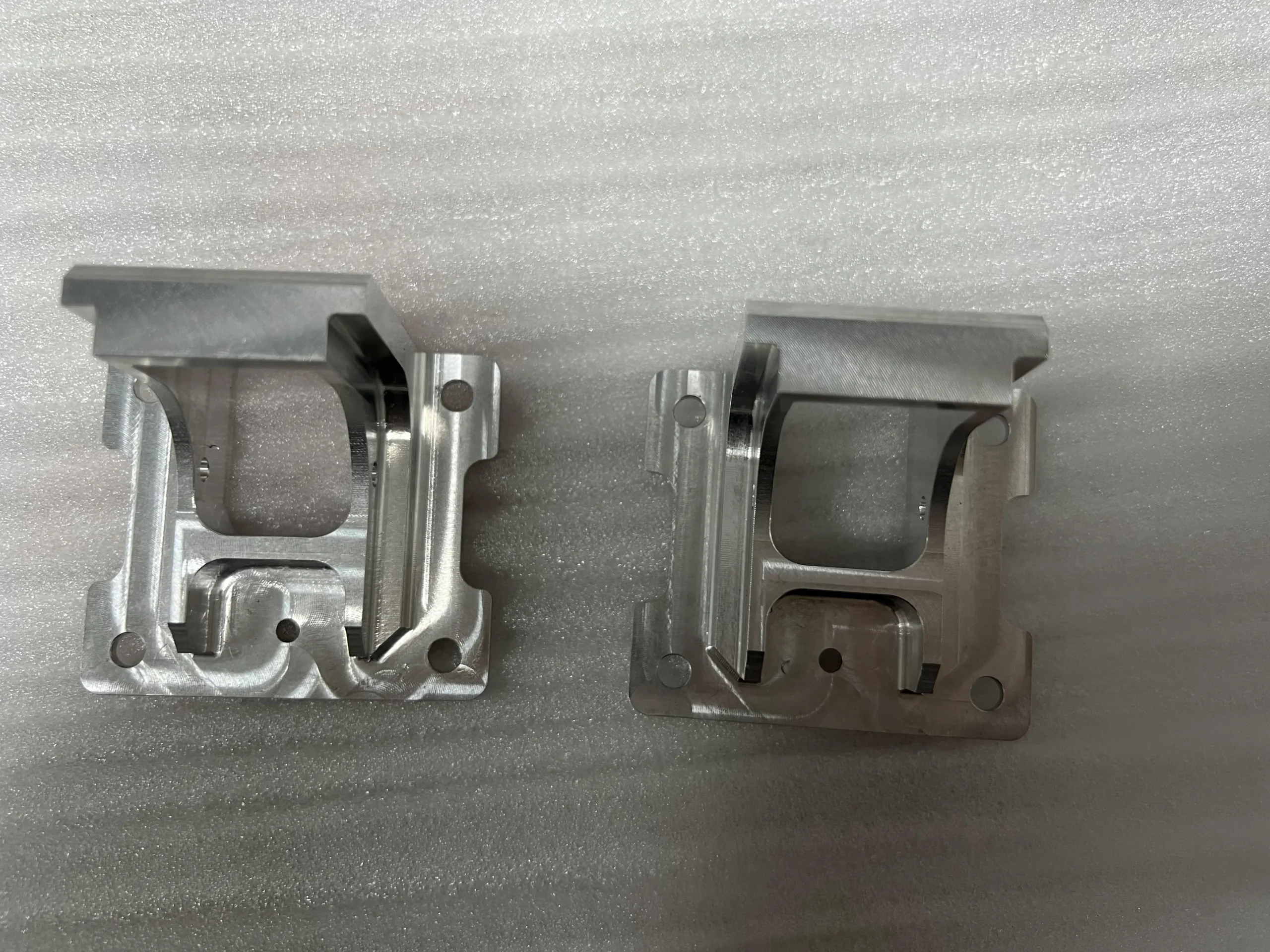
Choosing the Right Metal: Pros and Cons of Titanium vs. Aluminum
Deciding between titanium and aluminum is rarely about which metal is “better” overall. It is about matching specific mechanical properties to your project budget and performance goals. The following breakdown highlights the specific trade-offs.
Pros and Cons of Titanium
Titanium is the go-to metal when high performance is the only metric that matters.
Pros:
- Superior Strength-to-Weight Ratio: Titanium is roughly 45% lighter than steel but offers comparable strength. This makes it essential for aerospace parts that must withstand high stress without adding drag.
- Exceptional Corrosion Resistance: The metal is virtually immune to rust and degradation. It performs perfectly in saltwater environments and medical implants inside the human body.
- High Heat Tolerance: Titanium maintains its structural integrity at high temperatures where other lightweight metals would soften or melt.
Cons:
- High Cost: The extraction and refinement processes are expensive. This results in a raw material cost that is significantly higher than aluminum or steel.
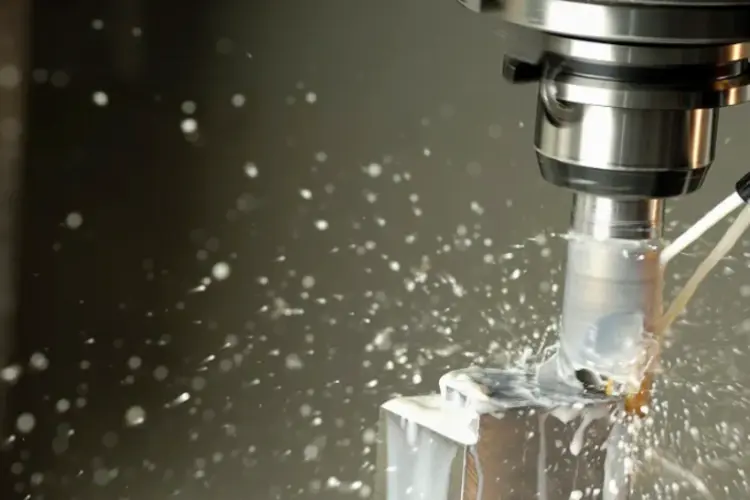
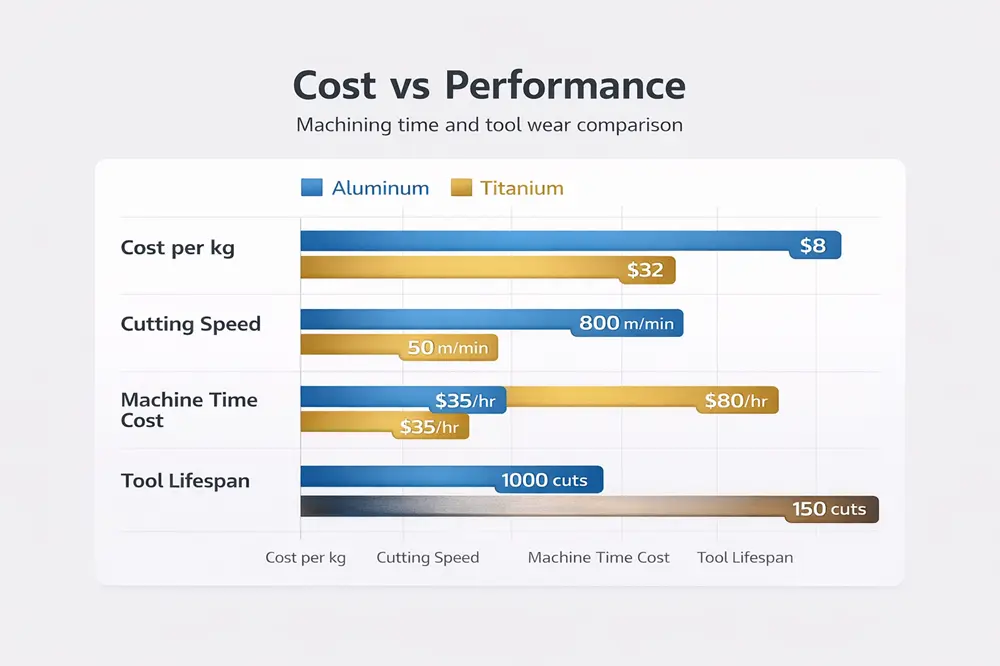
- Difficult to Machine: Titanium is a poor conductor of heat. During CNC machining, heat concentrates at the tool edge rather than dissipating into the chip. This wears out tools quickly and requires slower cutting speeds.
- Galling: The material has a tendency to weld itself to the cutting tool or other mating parts due to friction.
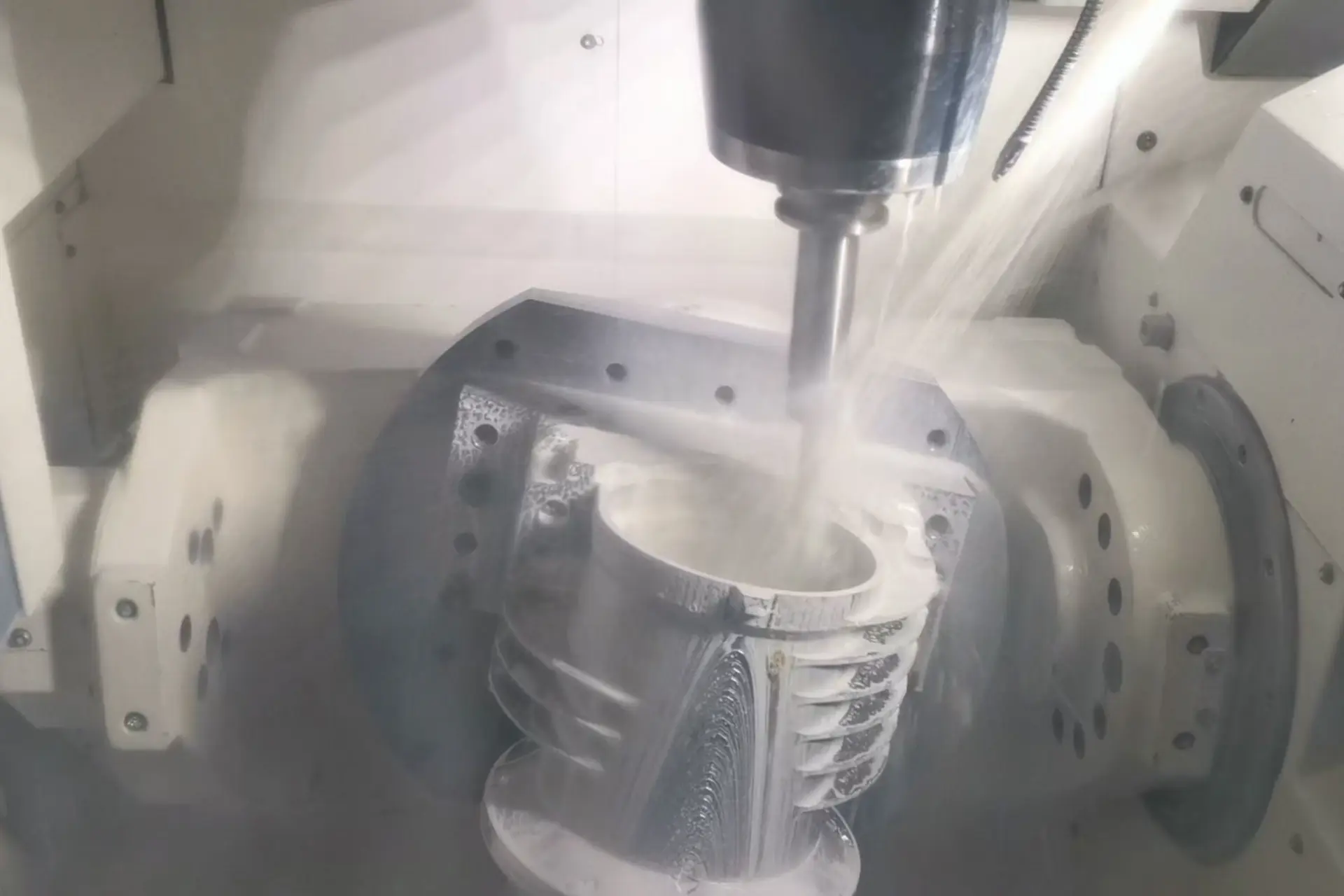
Pros and Cons of Aluminum
Aluminum is the ideal choice for projects that need to be light, affordable, and produced quickly.
Pros:
- Excellent Machinability: Aluminum is soft and chips easily. Machinists can cut it at high speeds without wearing out tools, which drives down the cost per part.
- Cost-Effective: The raw material is abundant and cheap. Combined with fast processing times, aluminum is usually the most budget-friendly option for metal parts.
- High Conductivity: It conducts heat and electricity efficiently. This makes it perfect for heat sinks and electronic enclosures.
Cons:
- Lower Fatigue Limit: Aluminum can weaken over time if subjected to repeated stress cycles. It is less suitable for parts that face constant vibration compared to titanium or steel.
- Heat Sensitivity: The metal has a relatively low melting point. It loses strength rapidly when temperatures exceed 400 degrees Fahrenheit.
Side-by-Side Performance Comparison Table
The following data compares a standard Titanium alloy (Ti-6Al-4V) against a common Aluminum alloy (6061-T6). Note how titanium offers double the strength but also double the density.
| Property | Titanium (Ti-6Al-4V) | Aluminum (6061-T6) |
| Density | 4.43 g/cm³ | 2.70 g/cm³ |
| Tensile Strength (Yield) | 880 MPa | 276 MPa |
| Melting Point | 1,660°C (3,020°F) | 582°C (1,080°F) |
| Modulus of Elasticity | 113.8 GPa | 68.9 GPa |
How Do Manufacturing and Processing Requirements Differ?
Physical properties do not just affect part performance. They directly dictate the speed, tooling and cost of production on the shop floor.
Machinability and Heat Dissipation Challenges
Aluminum dissipates heat effectively. It transfers thermal energy into the chips rather than the tool. This allows machinists to use high spindle speeds and aggressive feed rates.
Titanium acts as a thermal insulator. It traps heat at the cutting edge. This heat concentration destroys standard tools rapidly. Shops must run machines at lower speeds and use high-pressure coolant to prevent failure. This process increases machine time and labor costs.
Weldability and Joint Integrity
Aluminum is compatible with standard welding. Techniques like TIG and MIG work well if the operator cleans the oxide layer beforehand. It is a standard procedure in most fabrication shops.
Titanium is far more demanding. The metal becomes highly reactive to oxygen and nitrogen when hot. Welders must protect the joint with extensive shielding gas or work inside an inert gas chamber. If shielding fails, the weld absorbs air and becomes brittle. This leads to structural cracking.
Surface Treatments and Finishing Costs
Aluminum parts often require surface finishing to ensure longevity. Manufacturers usually anodize or powder coat aluminum to improve corrosion resistance. These extra steps add to per-unit costs.
Titanium rarely needs plating. Its natural oxide film provides excellent protection. However, manufacturers can anodize titanium for color-coding without adding thickness. This is common in medical devices for quick size identification.
When to Use Titanium and Aluminum in Engineering
Real-world applications highlight the practical trade-offs between these materials. Here is where engineers typically specify one over the other based on environment and load.
Aerospace and High-Performance Automotive
Titanium is critical for the “hot section” of aircraft. Engineers specify it for compressor blades, hydraulic systems, and exhaust nozzles that must withstand temperatures above 600°F. In Formula 1 cars, it is often found in valve springs and suspension coils.
Aluminum is the standard for the “cold section” and airframes. It forms the wing skins, fuselage frames, and bulkheads. In the automotive sector and the automation industry, aluminum is replacing steel in engine blocks and chassis panels to improve fuel economy without the high price tag of carbon fiber or titanium.
Marine and Corrosive Environments
Titanium is the premium solution for subsea hardware. It is used for propeller shafts, heat exchangers in desalination plants, and rigging on racing yachts. Since it requires no coating, it eliminates the maintenance cost of repainting submerged parts.
Aluminum serves as the primary material for ship hulls and superstructures. However, it is restricted to specific marine-grade alloys (like the 5000 and 6000 series). These parts almost always require anodizing or epoxy coatings to prevent pitting from salt spray.
Medical and Consumer Products
Titanium is the industry standard for internal medicine. It is found in hip ball replacements, dental screws, and pacemaker cases. Its ability to bond with bone (osseointegration) makes it unique for long-term implants.
Aluminum dominates the external casing market. It is the material of choice for smartphones, laptops, and tablet enclosures. It provides a rigid, premium feel and acts as a heat sink for processors, keeping electronics cool without internal fans.
Rollyu: Your Expert Partner for Titanium and Aluminum Machining
Machining these distinct materials requires specific expertise to control costs and ensure quality. At Rollyu Precision, we tailor our approach to the metal to deliver the best results.
Advanced CNC Machining Capabilities
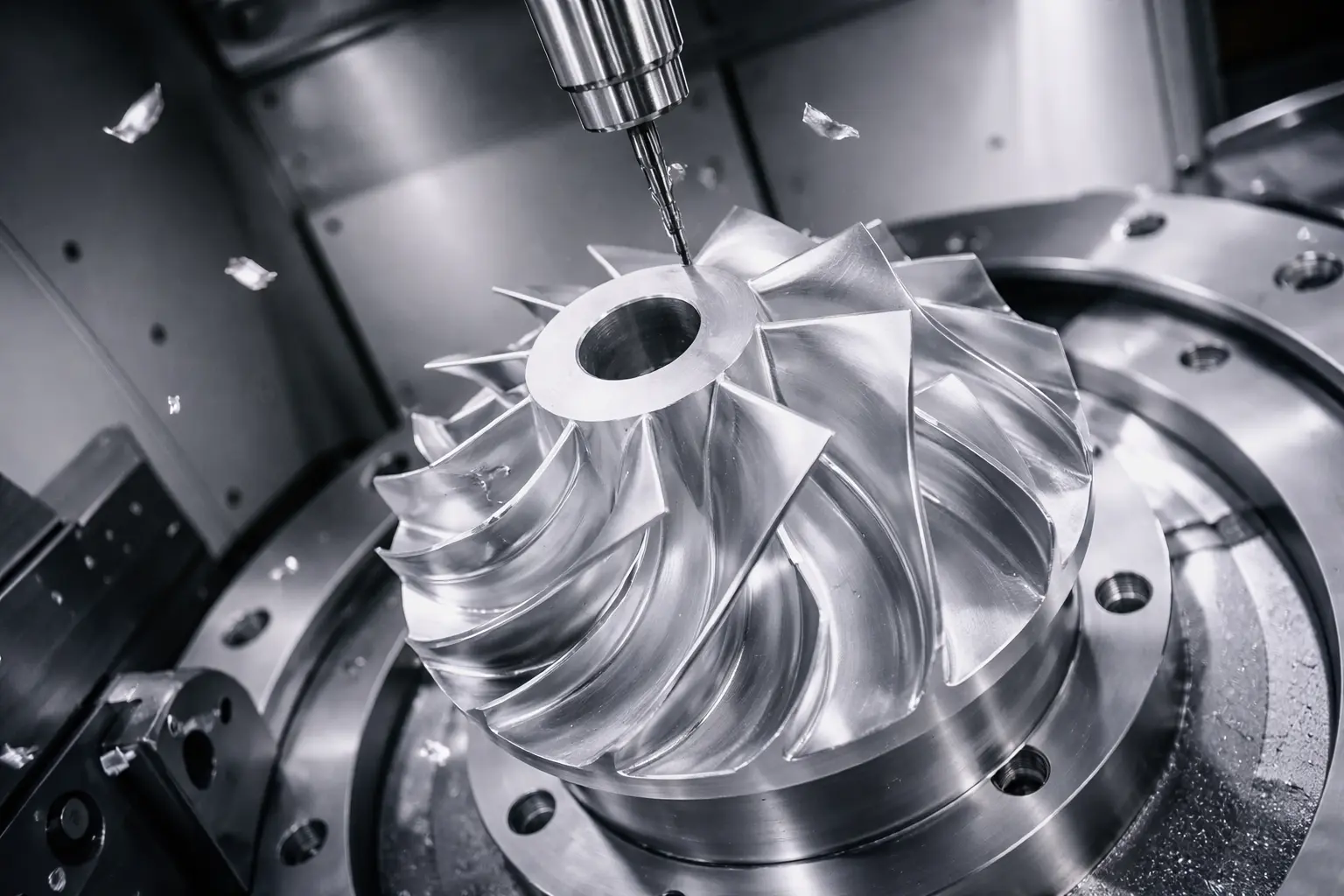
We leverage advanced 5-axis technology to produce complex precision CNC machining parts in a single operation. This method eliminates cumulative errors, controls heat buildup in titanium and ensures clean finishes on aluminum. We deliver challenging geometries with ±0.005 mm tolerances faster than shops relying on multiple setups.
Material Selection Support
Our engineers perform Design for Manufacturing (DFM) reviews to optimize costs. We analyze if high-strength aluminum (like 7075) can replace titanium for your application, a critical decision explored in our guide on Aluminum 6061 vs. Aluminum 7075. This analysis balances performance requirements with your budget.
Quality Assurance
Rollyu holds ISO 9001:2015 and ISO 13485:2016 certifications. We validate every batch using CMM inspection. Your parts meet exact print specifications from First Article Inspection (FAI) to final delivery.
FAQ
How Do Fatigue Limits Differ Between Titanium vs. Aluminum?
Titanium has a true endurance limit. It handles repeated stress indefinitely without failing. Aluminum will eventually crack. It has a limited lifespan in high-vibration environments regardless of the stress level.
Is Titanium More Scratch-Resistant Than Aluminum?
Yes. Titanium is naturally harder and resists surface wear. Raw aluminum is soft and scratches easily. You must anodize aluminum to achieve comparable surface durability.
Are Aluminum and Titanium Environmentally Friendly and Recyclable?
Both are 100% recyclable. Aluminum is highly efficient to recycle and saves 95% of the energy compared to new production. Titanium recycling is possible but costs more due to complex processing requirements.