

A 2024 report by the Copper Development Association highlights a surge in U.S. copper demand, driven largely by EVs and renewable energy grids. For manufacturers, this creates a dual challenge: securing materials in a volatile market while ensuring those materials meet strict performance standards. Sourcing the wrong metal doesn’t just impact component performance; it inflates production costs and delays supply chains.
This guide compares copper and bronze based on cost, conductivity, and durability. The goal is simple: Balance the budget with performance.

What are Copper and Bronze?
Before diving into the technical specs, it is critical to distinguish the chemistry, as this directly dictates behavior on the shop floor. Many procurement managers use the terms interchangeably, similar to the confusion found in Brass and Copper applications, but they are distinct materials.
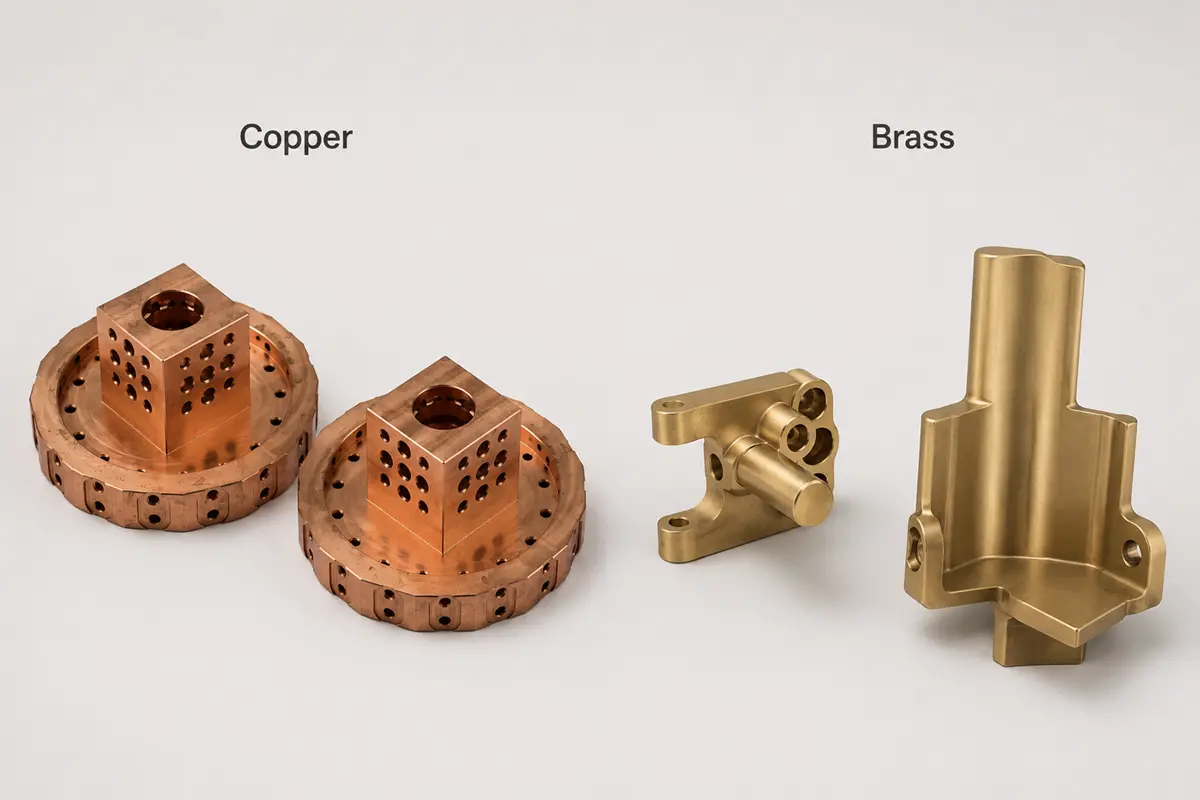
Copper is a pure chemical element (symbol Cu). It occurs naturally and is famous for being soft, malleable, and highly conductive. It has a distinct reddish-orange color. Manufacturers often use it in its raw form or with trace elements to slightly boost hardness.
Bronze is an alloy. It combines copper with tin (usually about 12%) and other elements like aluminum or silicon. These additives make bronze much harder and stronger than pure copper. It typically features a duller gold or reddish-brown color depending on the specific mix.
What are the Differences Between Copper and Bronze?
While their chemistry sets them apart, their real-world performance is what matters most on the production line. Generally, Bronze offers superior hardness and durability, while Copper provides unmatched conductivity. We break down these differences across critical engineering categories below.
Corrosion Resistance
Bronze dominates in harsh marine environments. It resists saltwater corrosion better than copper by forming a tough protective film. This makes it essential for ship propellers and underwater bearings.
Copper excels in dry or fresh water applications. It forms a protective green layer (patina) against oxygen. However, it degrades quickly when exposed to sulfur or ammonia. Avoid using it for structural parts in chemical settings.
Electrical and Thermal Conductivity
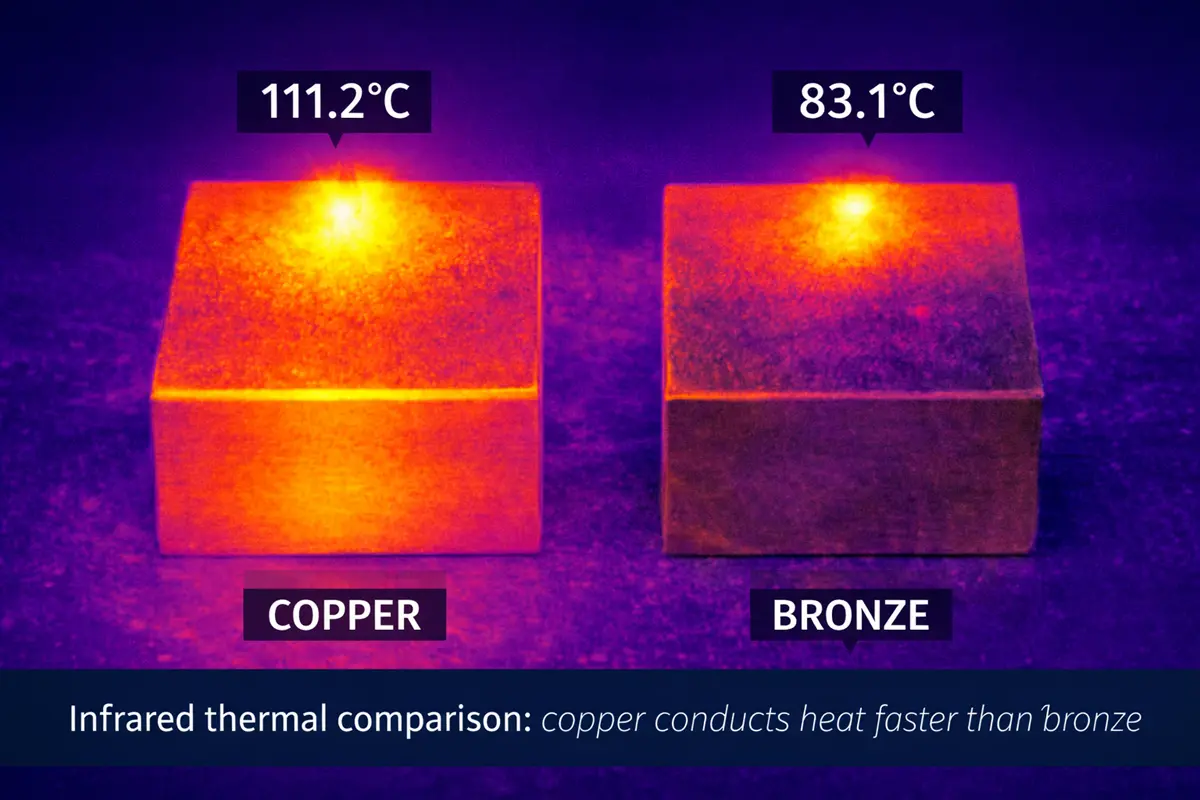
Copper is the industry leader for conductivity. With an IACS rating of 100%, it is the primary choice for high-efficiency wiring, bus bars, and heat exchangers.
Bronze performs poorly in conduction. The added metals (like tin) block the flow of electricity, limiting conductivity to just 15-20%. Use it for mechanical strength, not for transferring current or heat.
Melting Point and Formability
Copper withstands high heat and bends easily. Its high ductility makes it the best option for drawing wire, tubing, or forming sheet metal without cracking.
Conversely, Bronze is superior for casting. It melts at a lower temperature (~1,742°F) and flows smoothly into molds, allowing for complex shapes with consistent density and minimal shrinkage.
Machinability and CNC Precision
This is the biggest factor for production speed. CNC machining bronze is generally faster and more efficient, creating small chips that are easy to clear. Copper is highly ductile and tends to stick to cutting tools. This requires specialized tooling strategies to prevent part deformation and surface defects.
Cost Analysis: Material vs. Machining Costs
A common procurement mistake is calculating cost solely by weight. While copper is more expensive to buy, its machining difficulty is the real budget killer.
Due to copper’s high ductility, it requires slower processing speeds and increases tool wear. Bronze is free-cutting, allowing for faster production cycles and significantly lower labor costs. The table below compares the true cost drivers:
| Cost Factor | Copper | Bronze | Impact on Budget |
| Raw Material Price | High | Moderate | Copper carries a market premium. |
| Machining Speed | Slow | Fast | Bronze reduces machine run-time. |
| Tool Wear | High (Adhesion issues) | Low | Copper increases tooling expenses. |
| Total Cost Verdict | High | Low to Medium | Bronze is generally more cost-effective. |
Copper vs. Bronze: How to Make the Right Choice
Technical specs and costs are important, but the operating environment is the final judge. The choice simplifies to one trade-off: Conductivity (Copper) vs. Durability (Bronze).
When to Select Copper
Choose Copper when the part must transfer energy efficiently or undergo complex shaping without failure.
Maximize Electrical Efficiency
Copper is the industry standard for energy transfer. With a benchmark rating of 100% IACS, it minimizes electrical resistance and heat buildup better than any other non-precious metal. It is the only viable option for high-performance bus bars, EV battery connectors, and heat sinks.
Ensure Hygiene in Medical Devices
Copper actively eliminates bacteria on contact. Its natural antimicrobial properties provide a continuous layer of protection that does not wear off. This makes it the safest material for hospital touch surfaces, bed rails, and fluid transport systems fabricated via precision medical CNC machining solutions where infection control is mandatory.
Form Complex Shapes Without Cracking
Pure copper is exceptionally soft and malleable. It allows manufacturers to stretch, bend, or deep-draw the metal into intricate geometries without it snapping. This ductility is essential for creating seamless tubing, wire windings, and complex architectural elements.
When to Select Bronze
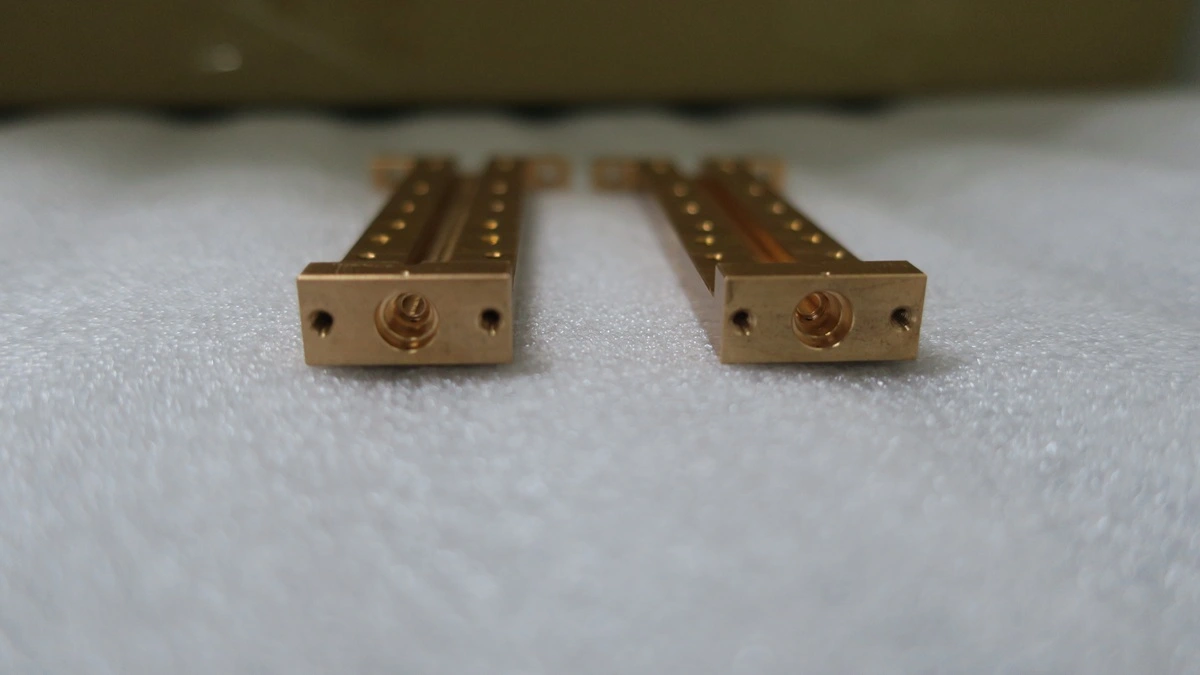
Choose Bronze when the component must survive physical stress, friction, or harsh marine environments.
Withstand Heavy Friction and Wear
Bronze is built for mechanical stress. It is significantly harder than copper and offers a naturally low coefficient of friction. This allows it to resist surface degradation in “metal-on-metal” applications, making it superior for gears, bushings, bearings, and heavy-duty valves.
Reduce Machining Costs
Bronze is a “free-cutting” alloy that lowers production costs. Unlike gummy copper, bronze produces small, manageable chips that clear easily from the tool. This allows CNC machines to run at higher speeds with less downtime, significantly reducing the price per part for high-volume structural components.
Resist Saltwater Corrosion
Bronze develops a tough protective barrier against chlorides. While copper degrades when exposed to harsh chemicals, bronze maintains its structural integrity in saltwater. It is the standard specification for marine propellers, sea valves, and offshore platform hardware.
Why Choose Rollyu for Your Metal Project?
Moving from Design to Production with Rollyu Material selection is only half the battle. Success demands a manufacturer who masters the execution. Copper warps under heat, and bronze wears down standard tooling. Rollyu anticipates these risks, delivering industrial precision where others struggle.
Expert CNC Machining Services
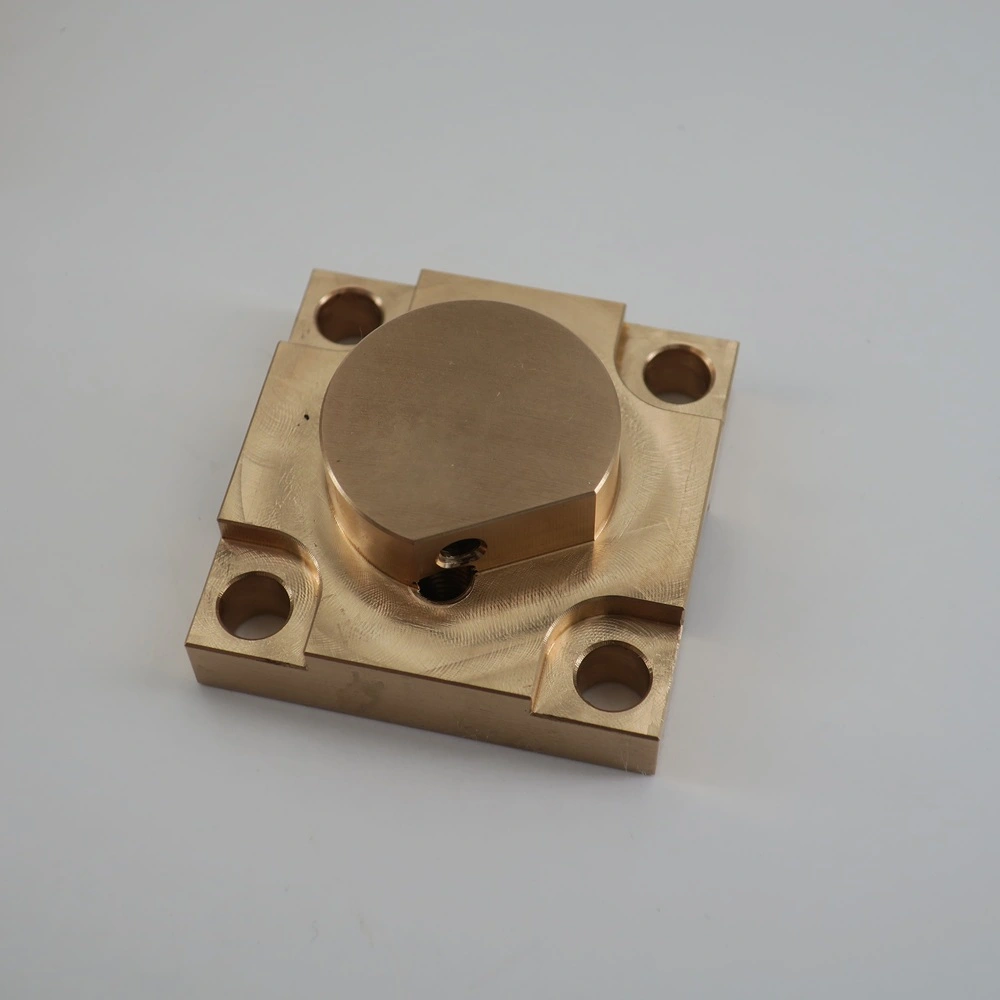
Prevent tool adhesion and surface defects. Soft copper sticks to cutting edges, ruining tolerances and finishes. Rollyu uses high-speed spindles and advanced coolants to eliminate drag. We produce complex, burr-free precision CNC machining parts meeting exact specifications.
High-Quality Die Casting
Slash unit costs on high-volume runs. Machining thousands of bronze parts destroys profit margins. Die casting is the efficient alternative. We build durable molds for identical, high-density units. This process reduces price per part while maintaining structural strength.
Precision Sheet Metal Fabrication
Ensure seamless fits for electrical assemblies. Copper demands precise force control to manage springback. We combine laser cutting with advanced press brakes for custom bus bars and enclosures. Parts fit the assembly line immediately, and no manual reworking needed.
Technical Consultation
Identify design flaws before production. A minor geometry tweak or alloy swap can save production costs. Our engineers perform Design for Manufacturing (DFM) reviews on all CAD files. We fix potential problems before cutting metal.

FAQ
Are Copper and Bronze Magnetic?
No. Both are non-ferrous and completely non-magnetic. This makes them the ideal choice for electronic enclosures and medical components (like MRI) where magnetic interference is strictly prohibited.
What Are the Recommended Copper and Bronze Grades?
Select Copper C101 or C110 for electrical efficiency, and Bearing Bronze C932 (SAE 660) for mechanical wear. C101 ensures peak conductivity for electronics, while C932 provides the essential durability and machinability needed for bushings and gears.
Do Copper and Bronze Require Surface Plating?
Yes. Since pure copper oxidizes quickly, we recommend Nickel or Tin plating for electrical contacts to ensure solderability. Bronze is naturally corrosion-resistant but is often polished or chrome-plated for aesthetic marine hardware.