In today’s competitive market with a high pace, having the ability to design, construct, and run tests quickly is a key competitive advantage. This guide outlines the process of rapid prototyping, an area that has nearly revolutionized the modern product development process.
We will examine its fundamental technologies, including 3D printing and CNC machining, and dive into their deepest advantages. We will offer you a clear guideline when choosing the right strategy for the project you will be dealing with, allowing you to deliver superior products to the market more quickly and efficiently.
What Is Rapid Prototyping?
Rapid prototyping is a collection of operations that utilize three-dimensional CAD data to formulate physical elements, models, or assemblies within a brief duration of time, and it is among the core operations in any modern product development.
The other breaker of the game in how products are envisioned is due to the fact that it turns the digital innovation into real objects to experiment with and test. The method relies mainly on additive (3D printing), but other methods, including subtractive (machining), are also employed.
The high-fidelity prototypes are like the final product, and the low-fidelity prototypes are used in the preliminary conceptualization. Rapid prototypes also increases the chances of successful product release and the reduction of expensive product revisions in the later stages of product development.
What Is Rapid Prototyping Processing?
Concept & Design:
This stage often includes design brainstorming, sketches, and 3D modeling based on customer requirements or engineering goals.
Conversion to Prototyping Format:
After export, engineers check for errors such as holes or inverted normals that could affect the build.
Selection of Prototyping Method:
Common rapid prototyping techniques that Rollyu Precision include:
| Method | Technology | Typical Material | Advantages |
| SLA (Stereolithography) | Photopolymer resin cured by UV laser | Resins | High surface quality, good for visual models |
| SLS (Selective Laser Sintering) | Laser fuses powder materials | Nylon, PA12 | Strong, functional prototypes |
| FDM (Fused Deposition Modeling) | Extrudes melted thermoplastic filament | ABS, PLA, PC | Cost-effective, easy to iterate |
| DLP (Digital Light Processing) | Light projection solidifies resin | Resin | Fast, high resolution |
| CNC Machining | Subtractive—cuts from solid block | Metals, plastics | High accuracy, real material properties |
| Vacuum Casting | Silicone mold replication | PU resin | Good for small-batch production |
| 3D Printing (Metal) | Laser melting of metal powder | Aluminum, Ti, SS | Functional metal prototypes |
The selection depends on required accuracy, strength, and application (visual mock-up vs. functional testing).
Build Preparation:
Orientation and support structures are set up in the printing or machining software.
Build parameters such as layer thickness, speed, temperature, and toolpath are defined.
The machine simulation ensures collision-free, efficient manufacturing.
Fabrication / Printing:
The chosen process fabricates the prototype:
Additive methods (SLA, SLS, FDM) build parts layer by layer.
Subtractive methods (CNC) remove material from a solid billet.
Hybrid approaches may combine additive and subtractive steps.
Post-Processing:
After fabrication, parts undergo finishing operations to improve appearance and accuracy:
Support removal
Sanding and polishing
Painting or coating
Heat treatment
Dimensional inspection
Testing & Evaluation:
The prototype is tested for:
Fit (how well it integrates with other components)
Form (appearance and ergonomic feel)
Function (mechanical or electrical performance)
Feedback is collected, and design improvements are made in CAD before re-running the cycle.
Iteration & Optimization:
Rapid prototyping supports multiple design iterations within a short time frame:
Engineers modify the CAD model based on test data.
A new prototype is built within days.
This continues until the design meets all functional and aesthetic goals.
Pre-Production or Pilot Run:
Once the prototype is finalized:
The design is validated for manufacturability (DFM).
Small-batch or pilot production runs can be launched using CNC machining, injection molding, or sheet metal fabrication to simulate full-scale production.
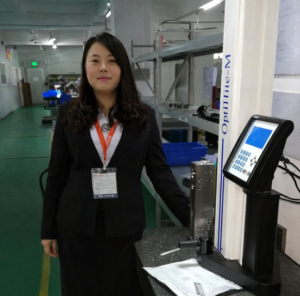
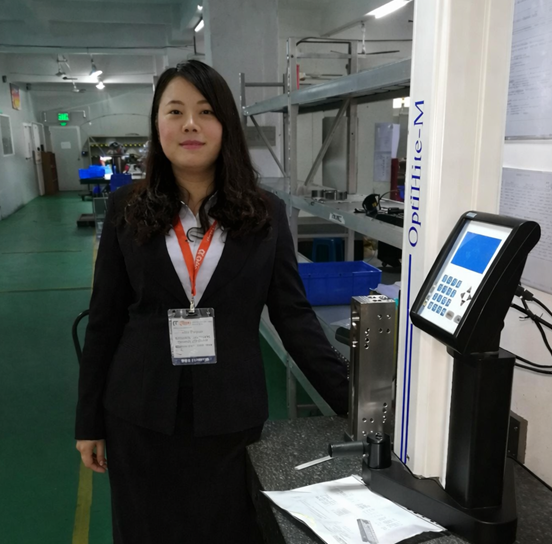
For CNC prototypes or functional parts, CMM or optical measurement ensures the prototype meets design tolerances.
It bridges the gap between concept and production, reducing cost, shortening time-to-market, and improving design accuracy.
Types of Rapid Prototyping
The broad array of rapid prototyping has provided several techniques that can be used in different applications, materials, and requirements. Such approaches are important aspects to consider when making decisions on what sort of approach to take in regards to your project requirements.
Additive Manufacturing (3D Printing)
3D printing, also referred to as additive manufacturing, is the production of objects based on a digital model in a layer-by-layer manner, so that complex geometries can be produced, which are not easily accessible using conventional processes. This process involves the use of various types of technologies for specific project requirements:
Stereolithography (SLA): Suited to very fine detailed models, and as such, the surface finish is perfect.
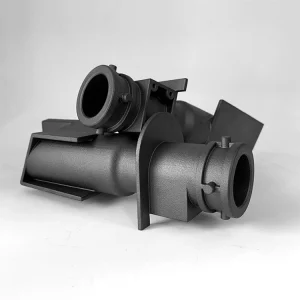
Fused Deposition Modeling (FDM): Offers a low-priced option to simple prototypes.
Selective Laser Sintering (SLS): This process produces high-quality parts that are durable and functional, thus not requiring support structures.
Industrial 3D printing satisfies a variety of mechanical and aesthetic requirements using a variety of materials, such as plastics, such as ABS and nylon, resins, and metal composites. Its main benefits are the incomparable design freedom it offers, the minimum material waste, and the production of complex internal structures.
DMLS / SLM (metal 3D printing): Enables metal prototypes and low-volume metal parts for functional testing or lightweight structures.
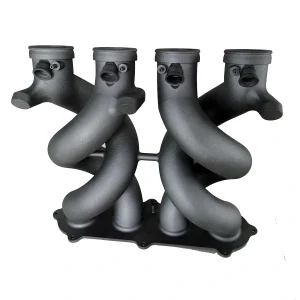
Material/binder jetting: Useful for fast color models, sand casting patterns, or high-speed production of composite parts.
Subtractive Prototyping (CNC Machining)
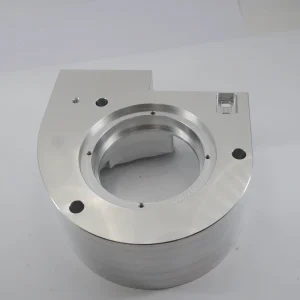
Subtractive rapid prototyping involves making parts by cutting material from a solid block. Traditional methods include manual milling, turning, or drilling. But CNC machining is now the most common method for subtractive Manufacturing .
This computational subtractive manufacturing process gives the shape of the desired piece using cutting tools, which creates a high precision and high quality of the surface, which is good for conducting functional testing and presentation models. Modern CNC deals with all types of simple and complex geometries in terms of 3, 4, and 5-axis machining centers.
A lower cost is in part accomplished by the fact that production-grade materials such as aluminum, steel, titanium, and engineering plastics can be used, and as a result, reliable performance data is available, and the transition from prototype development to production is a seamless one.
The Role of Rapid Prototypes in Product Development
Rapid prototyping plays various important roles in the lifecycle of developing the product, and as the product progresses, it changes, i.e.:
Concept Validation: At the very beginning, proof-of-concept models help product designers to prove the idea and check the viability of a product by applying 3D printing and CNC machining methods.
Design Refinement: As the product being developed, the look-like prototypes enable the designer to test ergonomics, user interfaces, and general user experience through high-fidelity models, designed using rapid prototyping services.
Functional Testing: Engineering teams develop work-like prototypes, which can be tested, iterated, and refined using strong materials that can be obtained by both additive and subtractive means.
Engineering Verification: Engineering prototypes are where design and engineering meet to create bare minimum versions of the ultimate commercial product, and need the accuracy of CNC machining and the complexity of 3D printing.
Key Benefits of Rapid Prototyping
The result of having the whole process of product development as rapid prototyping will generate the following benefits:
New Development Schedules: Concept-to-part cycle, rapid product development cycle founded on Rapid iteration.
Massive Cost Reductions: Early identification of flaws in designs avoids redesigning for big quantity production, and the technologies described, either by 3D printing or CNC machining, are economical in a number of projects.
Greater Design Laxity: The Ability to explore complicated forms and sophisticated designs offers colossal prospects of novelty using both additive and subtractive techniques.
Improved Stakeholder Communication: The physical models produced in rapid prototyping can be an effective way of communication to reduce the gap between the designers, engineers, and the stakeholders.
Risk Mitigation: Thorough prototype testing of the prototypes that have the look and functionality of the final products diminishes usability and production issues before switching to production.
Choosing the Right Method for Your Project
The choice of the right rapid prototyping method is dependent on various aspects, depending on the project requirements:
Project Stage Consideration: Running prototypes can be low-fidelity prototypes using FDM or SLA printing, and updated production-ready prototypes can be prototyped with precision CNC machining or high-resolution 3D printing.
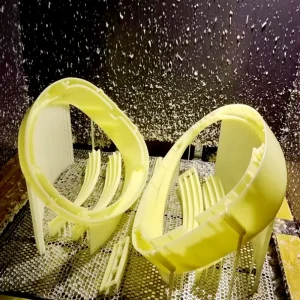
Evaluate Material Requirements: The final material of production is usually used to determine the prototyping technique. Whereas additive techniques provide material choices that grow, subtractive prototyping can be done using precise production materials.
Evaluate Technical Requirements: Consider the requirements of precision, strength, and surface finish. In tight tolerances, subtractive processes usually perform much better than additive processes in complex geometries by far.
Consider Economic Factors: Consider short-term prototyping costs and the long-term implications regarding production. Additive manufacturing generally incurs lower initial investments in complex components, whereas subtractive approaches can be cost-effective when dealing with less complex designs.
Why Choose Rollyu for Rapid Prototyping
Rollyu delivers high-quality rapid prototyping services that accelerate product development through expert integration of additive and subtractive technologies.
Our 3D Printing Services include the latest advancements in additive manufacturing, providing an extensive range of options, from designing the simplest concept models to useful prototypes that can be tested as well.
We have a large stock of materials that are engineered, such as tough ABS, accurate resins, flexible polymers, and metal-based composites, to ensure your prototypes can be made to satisfy both mechanical and aesthetic concerns. With our group of experts, our technical team offers skilled advice in deciding which is the best 3D printing process.
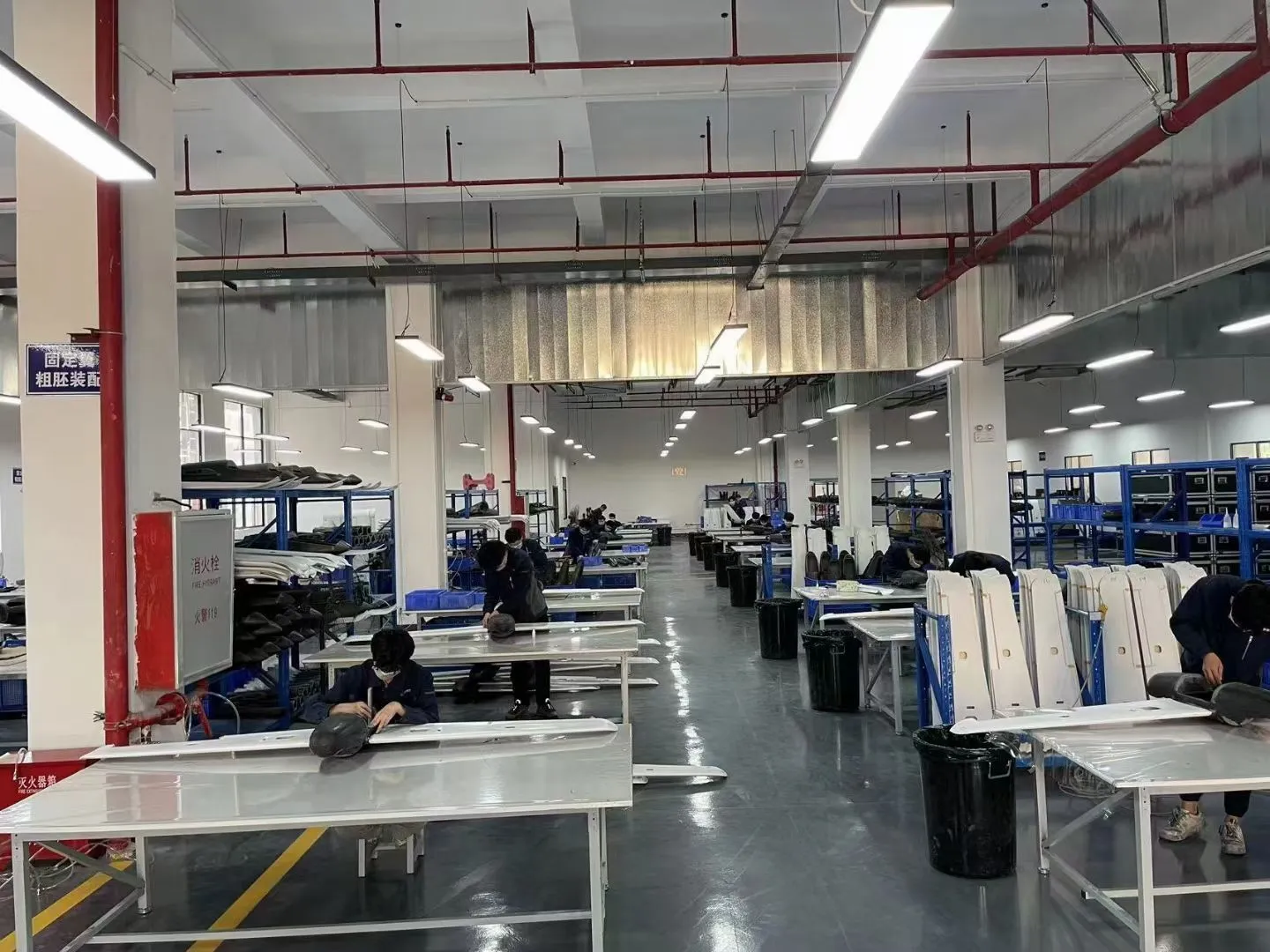
Our CNC Machining Services can provide unparalleled precision and reliability for projects that require the utmost accuracy and material quality, especially in proximity to the production parts. Our excavated machines are 3-axis, 4-axis, and 5-axis machines, capable of handling simple components and complicated shapes with stringent tolerances.
The choice of materials includes a variety of metals, aluminum, steel, brass, and titanium, as well as engineering plastics, allowing you to test with materials identical to those that will ultimately be produced. This feature will be valuable in functional testing where material properties are a major performance factor.
Conclusion
Rapid prototyping has transformed the world of product development, and it has introduced some potent tools that can make ideas come true in the fastest and most accurate way. Additive 3D printing and subtractive CNC machining methodologies have their own pros and cons to use in different applications and at different stages.
It has become an invaluable contemporary tradition with the great advantages such as shorter schedules, higher cost savings, greater design adaptability, and less risk in the project. The possibilities will continue to grow as technology progresses, and through an appropriate choice of the methodology applicable to a specific project, businesses can use these techniques to create better products at a cheaper rate and in a shorter period.