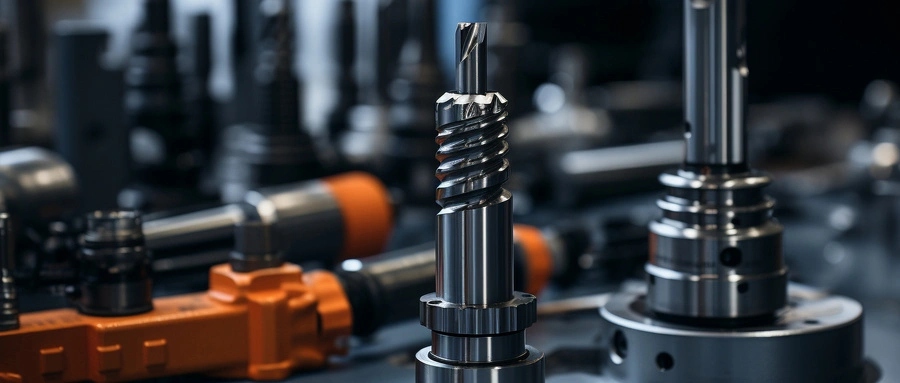
CNC stands for Computer Numerical Control, and it marks a fundamental shift in the way machining is performed. Instead of relying on hand-operated tools, CNC uses coded instructions to guide every step of the process. Programmed commands define movements, spindle speeds, and tool paths, eliminating guesswork and delivering a level of precision that manual setups cannot match.
Unlike older methods, CNC is not just about faster production—it’s about creating a direct, repeatable link between design and manufacturing. A prototype made today can be reproduced tomorrow with identical accuracy. This level of consistency is why CNC machining processing has become the backbone of modern industries, where even the smallest variation can affect performance and reliability.
What Is CNC?
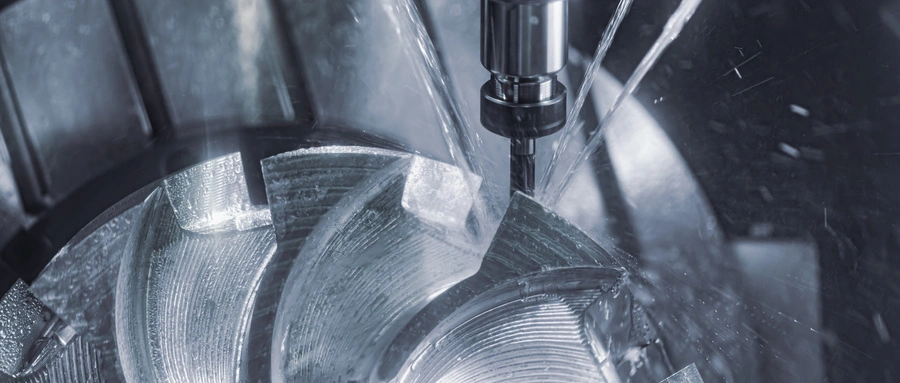
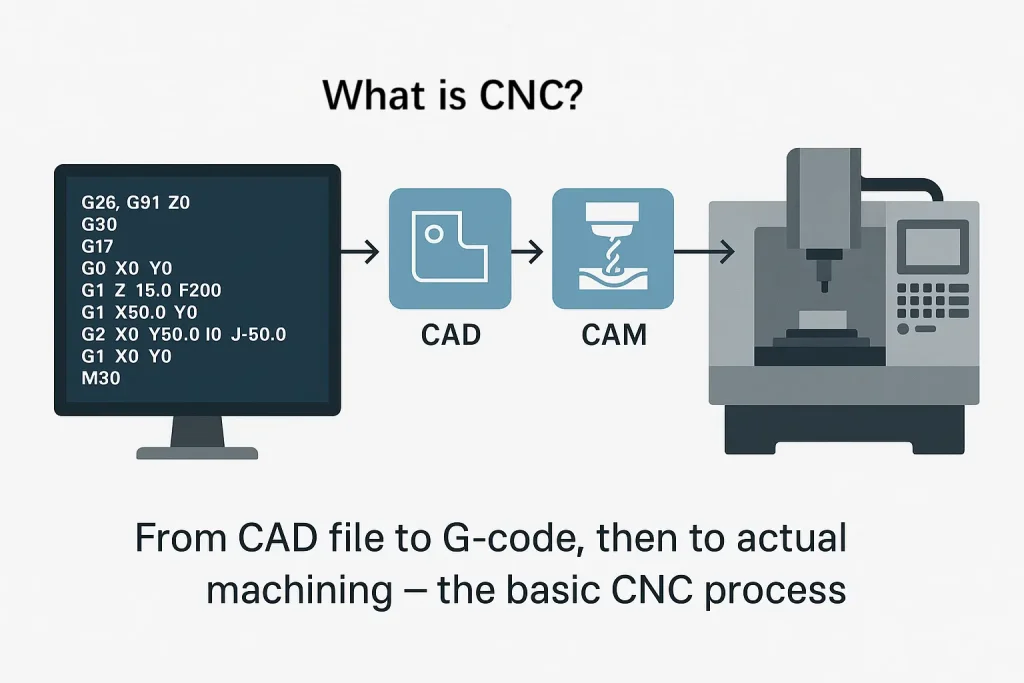
At its core, CNC means Computer Numerical Control. It is a system where machines run through programmed instructions rather than manual adjustments. Operators no longer need to turn handwheels or measure cuts by hand—the software directs every tool movement with precision.
CNC machining makes it possible to transform a digital design into a physical part with speed and accuracy. The computer reads your CAD file and executes the machining process step by step, ensuring components are cut, drilled, or shaped exactly as planned. This capability enables manufacturers to produce accurate prototypes or scale up to hundreds—or thousands—of identical parts with confidence.
Advantages of CNC in Machining
CNC machining is not just automated tool movement—it is a way to consistently meet demanding engineering requirements while maintaining production standards. Its advantages are measurable across industries, especially in the production of precision components and large-scale manufacturing.
High Dimensional Accuracy
CNC machines can achieve tight tolerances within microns. Features such as bore diameters, slot widths, and surface profiles can be machined with precision to ensure parts fit seamlessly into larger assemblies.
Repeatable Quality at Scale
Once programmed, CNC machines deliver the same results cycle after cycle. Whether you need 10 parts or 1,000, you get consistent tolerances and surface finishes. This repeatability reduces rework, strengthens quality control, and lowers overall costs.
Ability to Meet Complex Design Needs
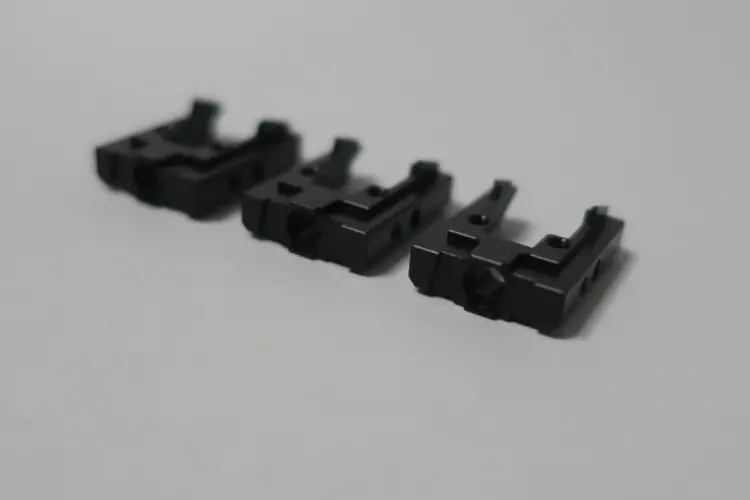
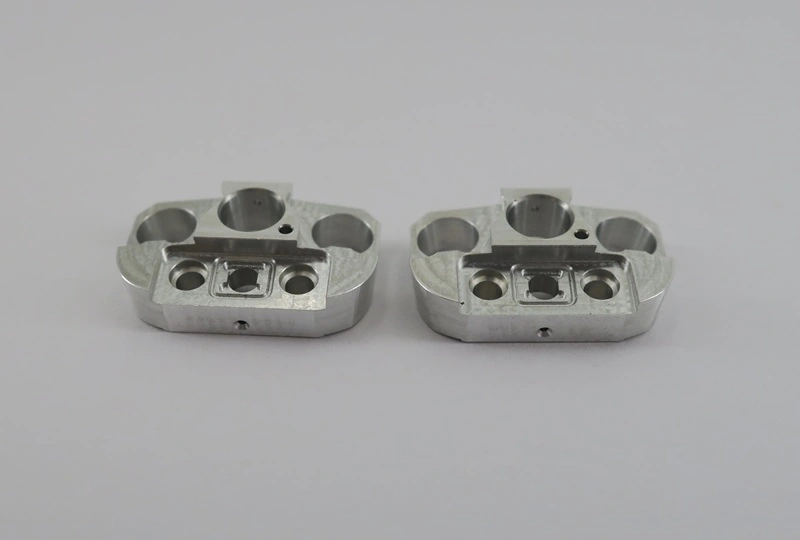
Multi-axis CNC machines can produce intricate shapes in a single setup. Components such as motor mounting plate,base plate, impellers, mold cavities, or curved housings can be machined efficiently, minimizing fixture changes and improving process reliability.
Compatibility with a Range of Materials
CNC machining optimizes feed rates, tool paths, and cutting speeds automatically. This reduces scrap, extends tool life, and shortens machining time. The process adapts seamlessly to metals, alloys, plastics, and composites—making it one of the most versatile manufacturing solutions available.
Applications of CNC in Different Industries
CNC machining is applied across nearly every advanced industry, including aerospace, automotive, medical, electronics,robotics, and energy. The core reasons remain the same: precision, repeatability, and reliability. By aligning the process with strict industry requirements, manufacturers can achieve both design intent and production demand.
Aerospace Industry
In the aerospace sector, CNC machining produces turbine blades, engine mounts, and structural components that demand lightweight alloys, uniform surface finishes, and micron-level tolerances. These parts must withstand extreme stress and comply with rigorous safety standards—requirements CNC machining fulfills consistently.
Automotive Industry
In automotive manufacturing, CNC is used for engine blocks, transmission housings, and braking systems. These parts require dimensional accuracy, strength, and scalability. CNC ensures faster cycles and uniformity across thousands of units, supporting both performance and mass production.
Medical Industry
CNC machining plays a critical role in producing implants, surgical instruments, and prosthetic components. With biocompatible materials, exact tolerances, and smooth finishes, CNC enables compliance with strict medical regulations while supporting patient-specific designs.
Electronics Industry
From heat sinks to connectors and enclosures, CNC machining meets the demand for micro-scale precision and high thermal efficiency. Electronics manufacturers depend on CNC to achieve tight tolerances for compact, high-performance devices.
Energy Industry
In the energy sector, CNC machining is used for turbine shafts, pump housings, and valve parts. These components must endure high temperatures, pressure, and extended service cycles. CNC ensures durability, dependability, and peak performance.
Future Trends In CNC
The future of CNC machining is advancing toward smarter, hybrid solutions. Emerging hybrid machines now combine additive and subtractive processes, allowing manufacturers to 3D-print material and then machine it to final tolerances in a single setup. This saves time, reduces handling, and makes previously impossible geometries achievable.
AI-driven CNC systems are also on the rise. Intelligent sensors and software can adjust cutting speeds, monitor tool wear, and predict maintenance before problems occur. These innovations extend tool life, reduce downtime, and lower costs. Looking ahead, CNC will increasingly merge with AI and automation to deliver adaptive, precision-driven manufacturing.
Work with Rollyu to Build Better Products
Partnering with Rollyu Precision means working with more than just a machining supplier—you gain a trusted engineering partner. We understand the technical demands of industries such as medical devices, aerospace, photonics, and robotics. Every project receives engineering support, including design review, manufacturability optimization, and compliance with international standards like ISO 9001 and ISO 13485.
Our advanced CNC machining centers, sheet metal fabrication lines, and die-casting facilities allow us to deliver tight-tolerance parts in metals and engineering plastics. Each component undergoes thorough quality inspection with coordinate measuring machines (CMMs), hardness testers, and surface finish analysis, ensuring accuracy and performance. With Rollyu, you can accelerate product launches, avoid costly rework, and maintain a reliable supply chain for critical components.
Conclusion
Looking ahead, CNC will continue shaping industries with smarter controls and hybrid technologies.
CNC machining is no longer just a tool—it is the backbone of modern manufacturing. It delivers precision, consistency, and complexity in ways traditional methods cannot.
The benefits are clear: reduced manual effort, fewer errors, faster production, and the ability to produce designs once considered impossible. From small-batch prototypes to high-volume runs, CNC machining ensures efficient, repeatable results.
As CNC continues to evolve with AI integration and hybrid technology, it will only strengthen its role as the most dependable solution for industries where accuracy and reliability are non-negotiable.