Aluminum Alloys
Zinc Alloys
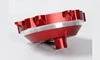
Anodizing
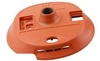
Powder Coating
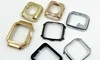
Electroplating (Nickel, Chrome, Zinc)
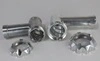
Polishing / Brushing
Bead Blasting / Sandblasting
Laser Marking/Laser Engraving
Wet Painting
Deburring & Edge Finishing
Get Custom Die-Casting Parts within 3 weeks
Custom High-Precision Die-Casting Services for Medical Devices, Robotics, and Industrial Parts – Aluminum & Zinc Components with Tight Tolerances, Reliable Quality, and ISO-Certified Production for Complex Manufacturing Needs.
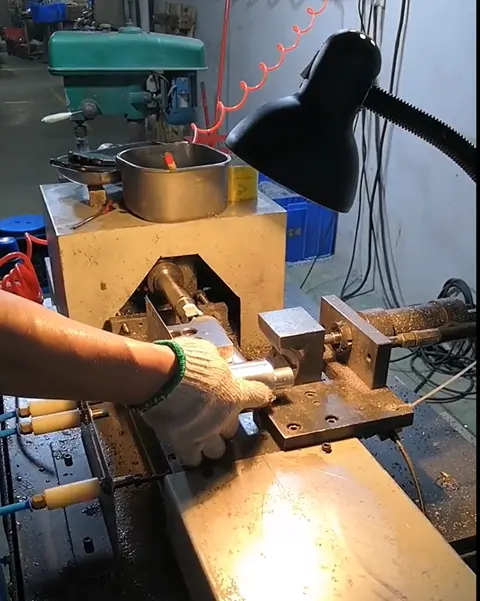
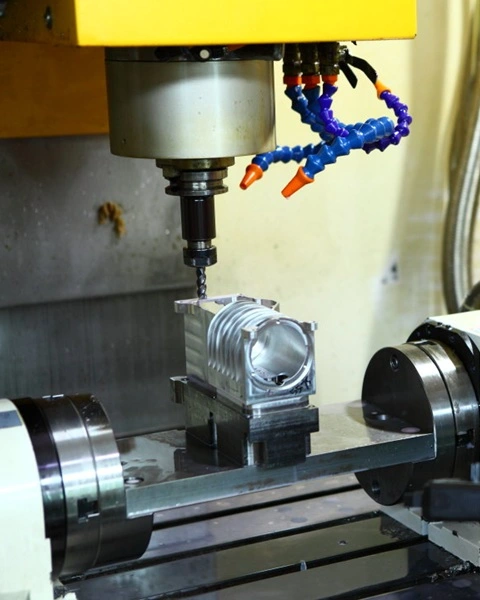
Completed operations include milling, slotting, drilling, tapping, counterboring, chamfering, threading, knurling, brazing, grooving, trimming, and nickel plating.
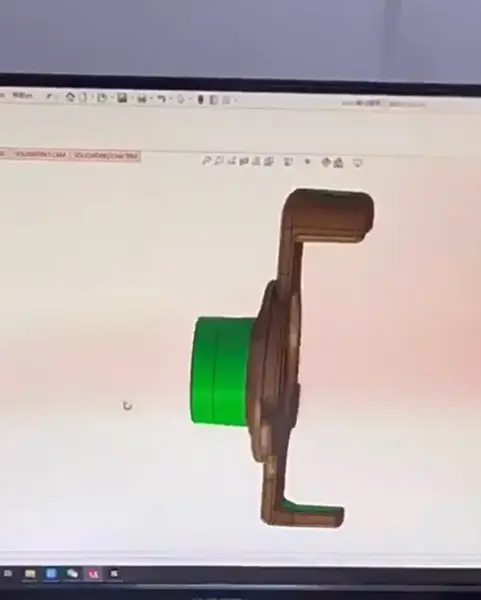
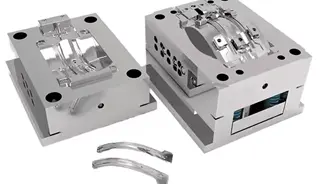
Mold design is critical to the success of aluminum die casting, directly influencing dimensional accuracy, surface quality, and cycle time. Using hardened tool steel like H13, molds are built to endure high temperatures and pressures. Precision cavities, gating, vents, cooling lines, and ejection systems are key features. Tooling is produced using CNC machining, EDM, and heat treatment. Surface enhancements such as nitriding or PVD coatings extend mold life and reliability. Well-designed molds enable consistent, high-speed production with minimal finishing, making them ideal for medical, automotive, and industrial components. Mold quality defines casting performance and overall efficiency.
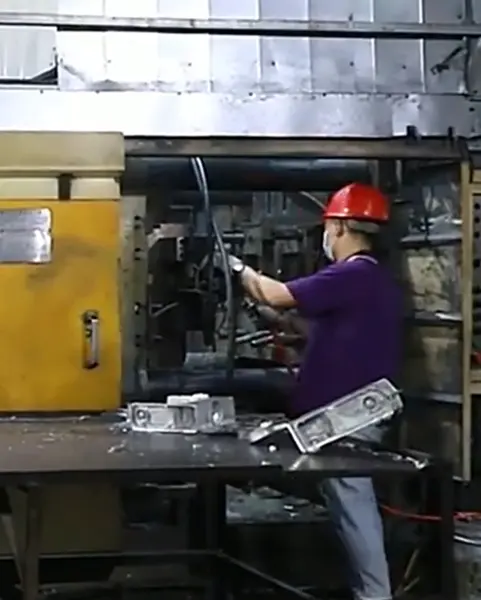
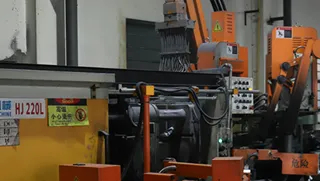
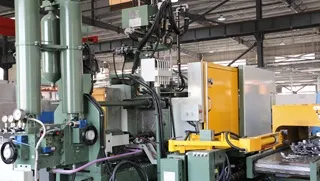
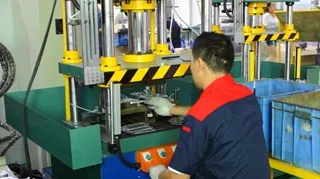
Injection is a critical phase in the die-casting process, where molten aluminum or zinc is forced into a steel mold cavity under high pressure. The metal fills the mold quickly, capturing fine details and producing components with tight tolerances and excellent surface finishes. Precise control of injection speed, metal temperature, and holding pressure is essential to prevent defects such as porosity or incomplete filling. This process allows for the efficient production of complex, high-precision parts with repeatable quality, making it ideal for applications in the automotive, medical device, and industrial equipment sectors.
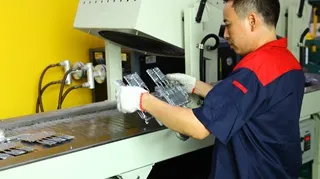
Deburring is an essential post-casting process that removes sharp edges, burrs, and flash from die-cast parts, particularly along parting lines and around ejector pin marks. Techniques such as manual filing, grinding, tumbling, or vibratory finishing are used to enhance dimensional accuracy and surface smoothness. This step improves both safety and functionality, ensuring components meet strict aesthetic and performance standards. Deburred parts are cleaner, safer to handle, and better prepared for downstream processes like coating or assembly. Deburring is especially critical in industries such as automotive, medical, and electronics, where precision and surface integrity are non-negotiable.
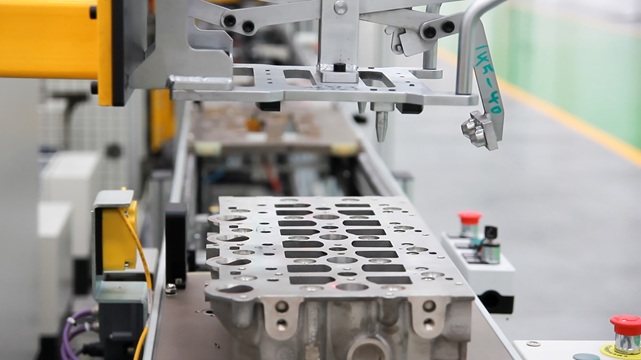
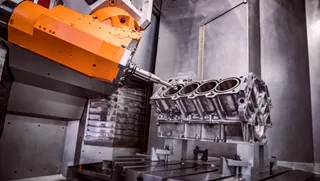
Post-machining is a crucial step in achieving the final precision and functionality of die-cast components. Processes such as CNC milling, drilling, reaming, and tapping are used to refine critical features like holes, threads, and mating surfaces. These operations correct any dimensional deviations from casting and enhance surface finish to meet exact specifications. Post-machining ensures parts fit perfectly in assemblies and perform reliably in their end use. It is particularly important for industries like medical devices, electronics, and precision engineering, where tight tolerances and flawless functionality are essential to product performance and regulatory compliance.
Precision, Quality and Affordability at any volume. Our team responds quickly to accommodate your needs.
There are a wide variety of materials that can be machined using technology, Rollyu provides machining quotes for more than 30 engineering-grade plastic and metal materials.
Aluminum Alloys
Lightweight, corrosion-resistant, and excellent for complex geometries. Widely used in automotive, medical devices, electronics, and structural components.
Grades: A380, ADC12, ADC14, ADC3, A360, etc.
Zinc Alloys
High dimensional stability and castability, ideal for thin-walled parts, gears, connectors, and consumer electronics.
Grades: Za27, Zamak 3, Zamak 5, etc.
Materials for CNC Metal Parts
Characteristics & Machining Performance
Anodizing
Anodizing is a surface treatment for aluminum die-casting parts that enhances corrosion resistance, surface hardness, and wear performance. It produces a durable, non-conductive oxide layer with optional matte or colored finishes. Widely used in medical devices, consumer electronics, and aerospace components, anodizing improves both functionality and appearance. The anodized layer is bonded to the metal surface, ensuring long-term durability without peeling or cracking.
Powder Coating
Powder coating is a common surface treatment for aluminum and zinc die-casting parts, providing a durable, scratch-resistant, and uniform finish. It improves corrosion resistance and aesthetic appeal, making it ideal for industrial enclosures, equipment housings, and consumer hardware. The coating is electrostatically applied and cured for strong adhesion and long-term performance.
Electroplating (Nickel, Chrome, Zinc)
Electroplating is used to coat die-casting parts with a thin layer of metal like nickel, chrome, or zinc to improve corrosion resistance, conductivity, and surface appearance. It’s widely applied to electronic connectors, hardware, and decorative components that require both function and visual appeal.
Polishing / Brushing
Polishing and brushing enhance the surface smoothness and visual quality of die-casting parts. These finishes are ideal for visible surfaces, consumer housings, or aesthetic components that require a refined or satin-like appearance. Brushed finishes create fine directional lines, while polishing achieves a clean, reflective look.
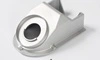
Bead Blasting / Sandblasting
Bead or sandblasting is used to create a uniform matte finish on die-casting parts. It effectively removes surface defects, oxidation, and casting marks, improving both appearance and adhesion for coatings like painting or powder coating. Commonly used before anodizing, plating, or wet painting, this process helps prepare parts for final finishing.
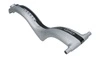
Laser Marking/Laser Engraving
Laser marking on die-casting parts enables permanent, high-contrast identification such as logos, serial numbers, QR codes, or traceability data. This process is non-contact, precise, and leaves the surface undamaged—ideal for medical, industrial, and automotive components that require clean markings, durability, and compliance. Laser engraving supports both functional and branding needs.
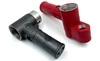
Wet Painting
Wet painting is ideal for die-casting parts requiring custom colors, UV protection, or moisture resistance, especially when powder coating is not suitable. It offers a smooth, even coating with flexible gloss and texture options, making it widely used in medical housings, industrial components, and decorative castings.
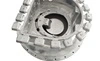
Deburring & Edge Finishing
This process removes sharp edges, burrs, and flash from die-cast parts to improve safety, fit, and appearance. It’s essential for ensuring parts meet quality standards before assembly, coating, or end use, especially in medical, automotive, and electronic housing applications.
We can source any other materials upon request! If you don’t see the material you need please contact us
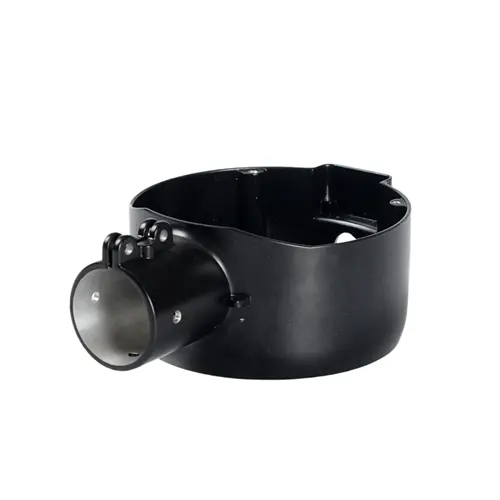
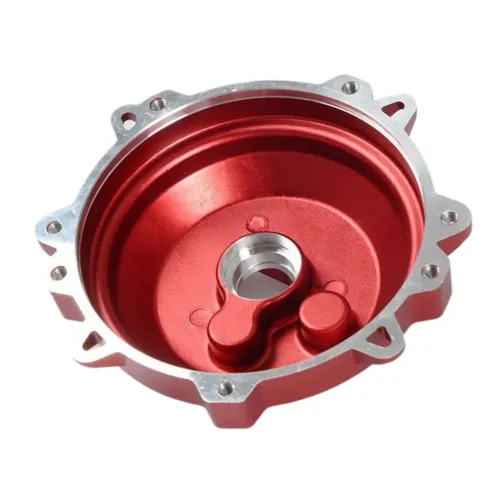
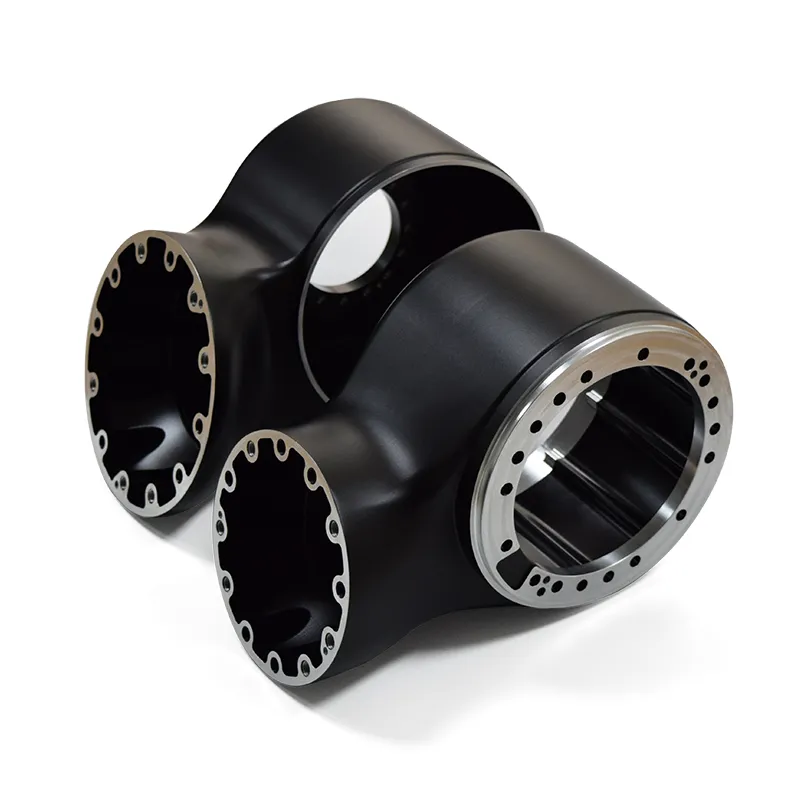
Below are examples of CNC machine parts we process with different materials.
Click on the picture to learn more about parts.
There are a wide variety of materials that can be machined using technology, Rollyu provides machining quotes for more than 30 engineering-grade plastic and metal materials.
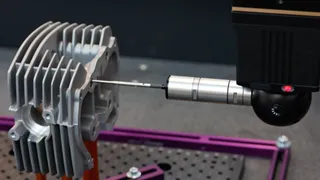
At Rollyu Precision, quality assurance is integrated into every stage of the die-casting process—from mold design and high-pressure injection to post-machining and finishing. Our quality control team uses advanced inspection tools such as CMMs, 2.5D projectors, hardness testers, and salt spray chambers to verify critical dimensions, surface finish, and part durability. Certified to ISO 9001:2015 and ISO 13485:2016, we ensure full process traceability and meet the highest standards for medical, industrial, and electronic applications. Rollyu delivers precision parts that are clean, accurate, and production-ready—every time.
01 Mold Design & Tooling
02 Die Preparation
03 Metal Melting
04 Injection
05 Part Ejection
06 Deburring & Trimming
07 Post-Machining & Inspection
08 CMM Testing
There are a wide variety of materials that can be processed using technology, and Rollyu offers processing quotes for over 30 engineering grade plastics and metal materials.